
Assessor Macneilli Yellow Assessor Care Guide
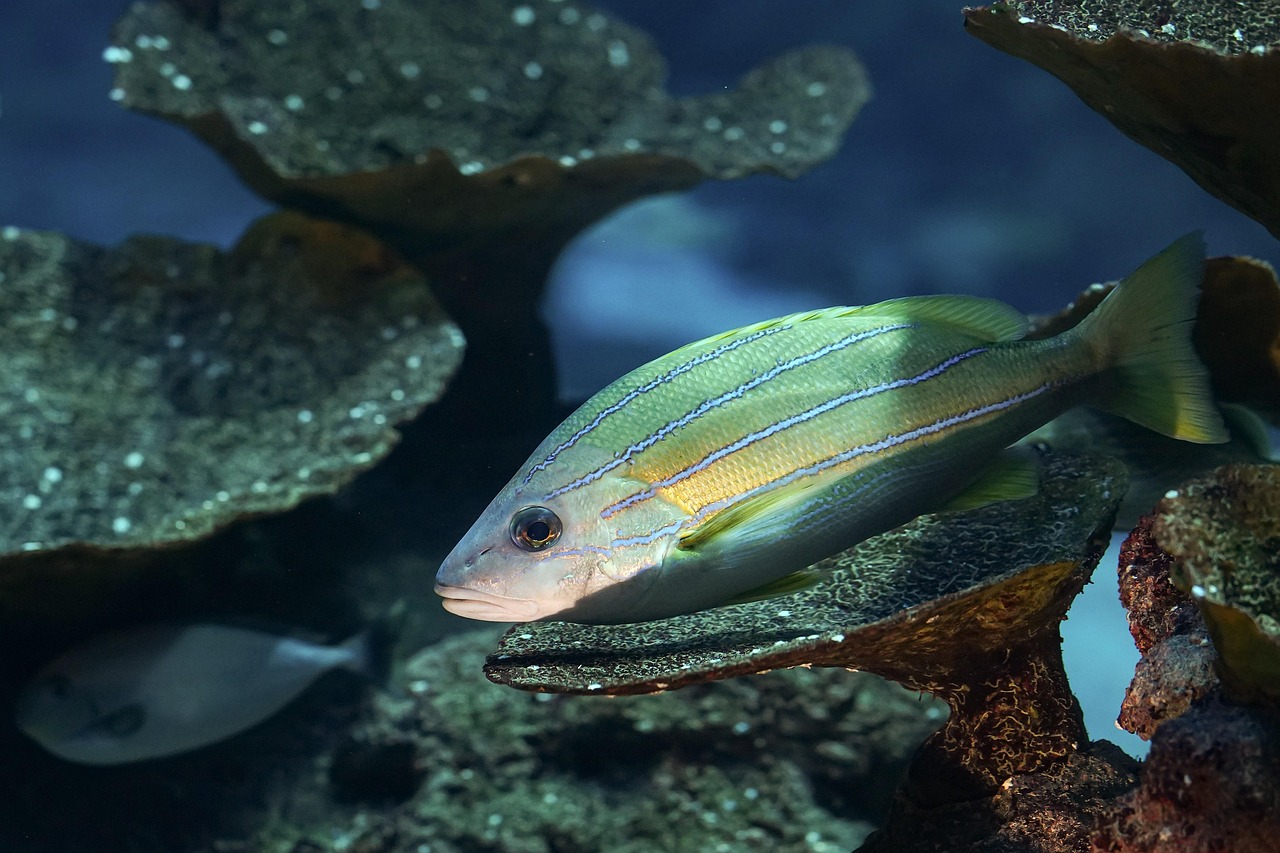
Few reef fish hang upside down against an overhang with the unapologetic calm of a yellow assessor, gliding inverted across cave ceilings as if gravity were optional. Thorough assessor macneilli yellow assessor care rewards you with a peaceful, bright-yellow reef resident that rarely bullies tankmates and accepts a nano footprint gracefully. This guide from Gensou Aquascaping at 5 Everton Park walks through the cave structure, feeding rhythm and compatibility choices that make the difference between a hidden sulker and a confident display fish. Singapore reefers will find notes on chiller sizing and local shop availability embedded where they matter.
Species Background and Natural Habitat
The yellow assessor, Assessor macneilli, hails from the western Pacific from northern Queensland down through New South Wales, where it inhabits cave ceilings, ledge undersides and drop-off overhangs between 3 and 35 metres. It is a member of the Plesiopidae family rather than the more commonly kept Pseudochromidae, which explains its unusually peaceful temperament compared to superficially similar dottybacks. Wild adults reach around 6 cm and form loose groups that drift inverted across shaded rock.
Tank Size and Aquascape Requirements
A single yellow assessor settles well into a 75 litre nano reef, while a trio needs at least 150 litres with generous caves and overhangs. Live rock arrangement matters more than volume; without ceilings to hang under, the fish hides persistently and its colour fades. Place rockwork with overhangs at different heights so the assessor can pick a preferred cave during the day and venture into more open water at dusk. Our aquascape mixed reef lps sps placement piece shows layouts that suit assessor-style cavedwellers.
Water Parameters and Stability
Standard reef parameters apply: temperature 24-26°C, salinity 1.025, pH 8.1-8.3, alkalinity around 8 dKH. Assessors tolerate warmer water briefly but colour erodes above 27°C, so a Singapore tank running without a chiller will struggle. A 1/10 HP chiller keeps a 200 litre reef within target year-round; the best aquarium chiller marine singapore roundup compares units that suit HDB dens. Nitrate under 10 ppm and phosphate under 0.05 ppm preserve the saturated yellow pigment that makes the species worth keeping.
Diet and Feeding Behaviour
Yellow assessors are mid-water zooplankton feeders in the wild, so they pluck suspended food rather than grazing. Offer frozen mysis, enriched brine and small pellet foods twice daily, aiming for food that drifts past the cave opening rather than sinking instantly. A pinch of fine pellet into the powerhead return works well. Newly imported specimens may need live brine for the first week; once feeding on frozen, they transition to pellet within another fortnight.
Temperament and Tank Mates
Assessors are one of the calmest reef fish available, ignoring most tankmates including shrimp, other small fish and corals. They do not nip polyps and leave cleaner shrimp entirely alone. Avoid aggressive dottybacks, large wrasses and territorial damsels that will harass the assessor back into permanent hiding. Peaceful companions like firefish, small gobies and ocellaris clownfish pairs work beautifully. Multiple assessors in the same tank need introduction together rather than sequentially, otherwise the first resident claims all caves.
Keeping Groups Versus Singles
A group of three or five shows far more natural behaviour than a single fish, with individuals drifting together under overhangs. Groups need sufficient cave frontage so each fish can pick a spot without constant jostling. If you cannot commit to a group, a single assessor still thrives but spends more time hidden during its first month. Pair-bonding is uncommon outside dedicated breeding set-ups; most group behaviour is loose schooling rather than territorial pairing.
Lighting and Cave Shading
Yellow colouration deepens under moderate blue-heavy lighting of roughly 150-250 PAR at rock level. The assessor naturally stays under shaded ledges so direct intense light is irrelevant, but the cave floor and ceiling should receive indirect blue spill to trigger the fluorescent pigments that make the species glow. Lower the morning ramp to 60 minutes so the fish emerges gradually rather than darting back into cover.
Health and Disease Susceptibility
Assessors are moderately hardy once settled but ship badly; losses during import are the main risk rather than long-term disease. Quarantine for at least three weeks using the protocol in our how to quarantine marine fish complete guide, running low-dose copper if the source is unknown. Watch for the thin, sunken-belly appearance that signals the fish has not eaten during transit; pre-feeding at the shop before purchase saves many specimens.
Singapore Sourcing and Pricing
Yellow assessors appear sporadically at Serangoon North and Pasir Ris marine shops, typically priced $45-75 SGD for a 4-5 cm individual. Captive-bred specimens from Biota Palau occasionally arrive and cost $90-120 but feed immediately and ship better. Wild imports from Australia via Jakarta transshippers are the common alternative; ask when the shipment arrived and avoid specimens that have not eaten in 48 hours.
Breeding in the Home Aquarium
Captive breeding is uncommon but has been documented. Males mouthbrood eggs for roughly 10-14 days, a trait shared with related plesiopids. Hobbyist success usually starts with a bonded pair from a breeder rather than attempting to pair random imports. Raising the larvae requires rotifers, copepods and dim lighting; the methodology overlaps with the marine copepod phytoplankton culture workflow.
Long-Term Display Success
Expect a well-kept yellow assessor to live 5-7 years, retaining colour and behaviour throughout. Longevity depends on stability, moderate flow and the presence of undisturbed caves. Resist the urge to rearrange rockwork; assessors memorise their cave network and a major reshuffle can push a settled fish back into reclusive hiding for weeks.
Related Reading



