
Firefish Goby Care Guide: Peaceful and Striking in Every Reef
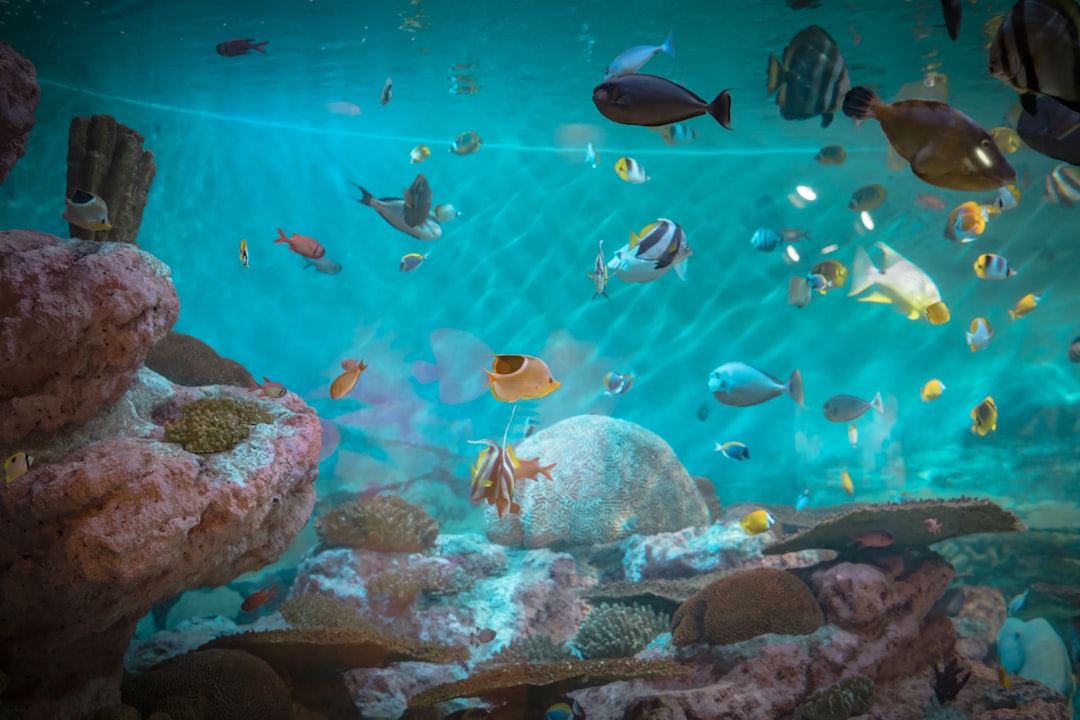
Hovering mid-water with its elongated dorsal fin flickering like a flame, the firefish goby is one of the most graceful additions to any reef aquarium. This firefish goby care guide for marine tanks covers the essentials of keeping Nemateleotris magnifica happy in Singapore’s warm climate. At Gensou Aquascaping, we frequently recommend firefish to clients building their first nano reef — they are peaceful, reef-safe, and endlessly fascinating to watch. This guide sits inside our broader Saltwater Reef Tank Master Guide reference.
Species Profile
The common firefish — sometimes called the fire dartfish — features a white-to-yellow body that transitions into a fiery red-orange tail. Adults reach roughly 7 cm. A close relative, the purple firefish (Nemateleotris decora), offers a lavender-and-purple colour scheme at a higher price point. Standard firefish typically cost $15-25 SGD at Singapore shops, while purple firefish run $35-55 SGD.
Tank Size and Aquascaping
A single firefish or a bonded pair can live comfortably in a 60-litre nano tank. Rockwork should include narrow crevices and small burrows where the fish can retreat when startled. Firefish are notorious jumpers, so a tight-fitting lid or mesh cover is absolutely essential. Even a 2 cm gap at the back of the tank near filter pipes is enough for a spooked firefish to launch itself out. Many Singapore hobbyists learn this lesson the hard way — secure every opening before adding this species.
Water Parameters
Maintain temperature at 25-27 degrees C, salinity at 1.024-1.026, and pH between 8.0 and 8.4. Keep ammonia and nitrite at zero and nitrate below 15 ppm. Singapore’s PUB tap water is chloramine-treated and unsuitable for direct use — always mix your saltwater with RO/DI water and a reputable marine salt blend. Stable parameters matter more than perfect numbers, so invest in a reliable test kit and check weekly.
Feeding
Firefish are planktivores that pick tiny organisms from the water column. Frozen mysis shrimp, cyclops, and finely chopped enriched brine shrimp form the backbone of a good diet. They also accept small marine pellets once acclimatised. Feed two to three times daily in modest portions — firefish have small stomachs and do better with frequent light meals than one heavy feeding.
Behaviour and Jumping Risk
Shy by nature, firefish spend their first few days hiding in rockwork before gradually gaining confidence. Sudden movements, loud noises, or aggressive tankmates can trigger panic responses that lead to jumping. Keep the tank in a calm area of your home and avoid tapping on the glass. In shared HDB living spaces, positioning the tank away from high-traffic zones makes a noticeable difference to this fish’s comfort level.
Tankmate Selection
Pair firefish with other gentle species — clownfish, green chromis, royal grammas, and small gobies all work well. Avoid aggressive damsels, large wrasses, or any fish that might bully them into hiding permanently. Keep only one firefish per tank unless you have a confirmed bonded pair, as two unrelated individuals often fight. A reef-safe cleanup crew of snails and hermit crabs rounds out the setup without causing stress.
Health and Longevity
With proper care, firefish gobies live four to five years in captivity. Quarantine new arrivals using the drip acclimation method to reduce stress-related losses. Watch for signs of marine ich and treat promptly in a separate quarantine tank. A well-fed firefish with stable water conditions and a secure lid can be one of the most rewarding marine fish you will ever keep.
Related Reading



