
Corallimorph Bounce Mushroom Genetics: Morph Lines and Stability
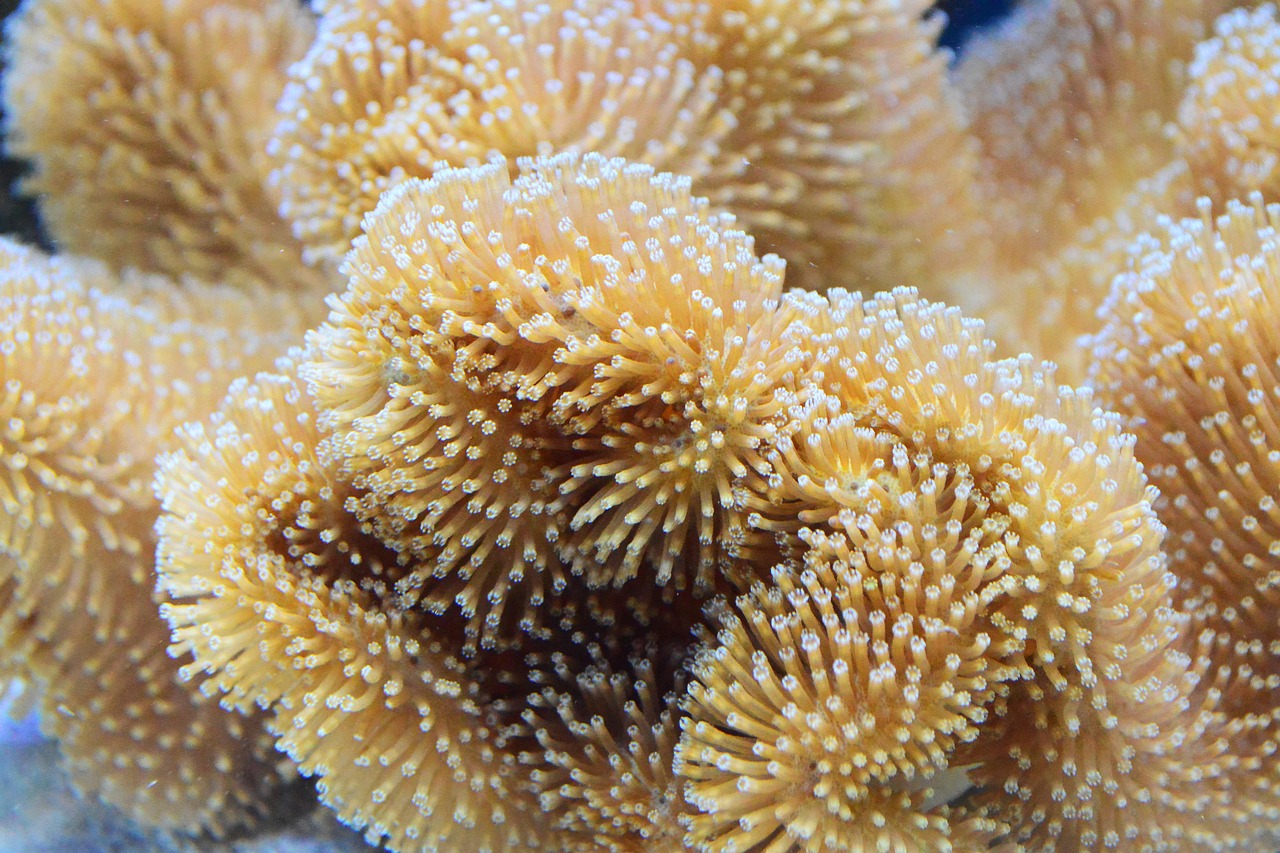
A single bounce mushroom frag sells for more than a decent graphics card, and the sustained premium comes down to genetics rather than colour alone. Understanding corallimorph bounce mushroom genetics helps you judge whether a $400 SGD frag is a stable investment or a colouration phase that will fade within months. This guide from Gensou Aquascaping at 5 Everton Park traces the major bounce lineages, explains the underlying pigmentation biology and flags the tank conditions that preserve or erode the bubble phenotype. Singapore frag market pricing and provenance notes are threaded through where they bear on purchase decisions.
What Makes a Mushroom a Bounce
Bounce mushrooms are corallimorphs, primarily Rhodactis species, displaying raised, bubble-like vesicles across the oral disc. The bubbles are pigment-packed vesicle extensions of the coenenchyme rather than separate structures, and they fluoresce intensely under blue lighting. Not every pigmented mushroom is a bounce; only specimens with dense, raised bubbles qualify. The trait is heritable within clonal lineages because corallimorphs reproduce asexually, meaning every frag is genetically identical to its parent.
The OG Bounce Lineage
The original documented bounce, known as the OG or Original Bounce, traces to a specimen imported from Indonesia in the mid-2010s. Its descendants retain a red-orange background with green and yellow bubble pigment. Authenticated OG frags trade above $500 SGD per polyp and typically ship with a documented chain of custody. Sellers without lineage documentation are usually selling lower-grade Rhodactis with bubble characteristics rather than verified OG.
Jawbreaker Versus Bounce Distinctions
Jawbreakers are a related but distinct morph line with disc-wide multi-colour striations rather than raised bubbles. Some specimens display both bubble raise and jawbreaker colouration, marketed as Jawbreaker Bounce at premium pricing. The two traits are genetically independent and can recombine when different lineages are kept in proximity, though without sexual reproduction the actual mechanism is sport mutation during growth rather than genetic crossover.
Common Bounce Morph Names
Named morph lines include Fruit Loop Bounce, Green Fire Bounce, Rainbow Bounce, Sunkist Bounce and Nirvana Bounce. Each reflects the dominant pigment combination of a successful clonal line. Prices in Singapore frag swaps typically run $80-150 for mid-tier morphs, $200-350 for popular named lines and $500-plus for verified OG frags. The organising coral frag swap guide covers vetting lineage claims at in-person events.
Colour Stability Across Propagation
The critical question for buyers is whether a bounce retains its bubble density and pigmentation across propagation. Well-established lines like OG Bounce hold colour reliably for decades across hundreds of frags. Newer wild-import specimens sometimes revert to solid-disc Rhodactis when stressed or propagated to small fragments. Buying from a local keeper with a multi-year track record on the specific morph reduces reversion risk compared to freshly imported wild specimens.
Light Intensity and Spectrum Effects
Bounce pigmentation responds strongly to light spectrum. Heavy blue-violet light (420-450 nm peaks) at moderate PAR of 70-120 maximises fluorescence and preserves the raised bubble structure. Excessive white light at 200-plus PAR suppresses the bubbles and fades the pigment. Most Singapore frag keepers run AI Prime or Kessil units with blue-dominant schedules; our best reef led light coral growth article matches fixtures to coral types.
Water Chemistry and Nutrient Influence
Bounce mushrooms tolerate elevated nitrate and phosphate better than SPS corals and often show deeper pigmentation in nutrient-rich water. Target nitrate at 5-15 ppm and phosphate at 0.05-0.15 ppm for sustained colour. Ultra-low nutrient systems tend to pale the bubbles. Alkalinity stability at 8 dKH matters less for growth than for colour retention; sudden swings bleach the disc and slow recovery. The calcium alkalinity stability reef piece covers the broader chemistry logic.
Flow, Placement and Sport Mutation
Low to moderate flow on the sand bed or lower rockwork suits bounces best. High flow flattens the disc and reduces bubble raise. Placement consistency across months favours stable colour; constant relocation triggers stress responses that can precipitate sport mutation. Sport mutations are unpredictable and can either enhance or destroy the morph value, which is why serious keepers photograph frags monthly for provenance records.
Propagation Techniques for Bounces
Mushrooms reproduce by pedal laceration or deliberate cutting. The blended-puree method, where the polyp is chopped into tiny fragments and spread across frag plugs, yields the highest frag count but stresses the morph genetics. Traditional halving using a scalpel into a coral tile and elastic-band cover preserves morph stability better. Our how to frag soft corals beginners article covers the technique; mushrooms tolerate either approach but named morphs deserve the gentler method.
Singapore Frag Market Realities
Bounce mushrooms change hands constantly via Carousell, Facebook marketplace and dedicated reef forums. Vet sellers by asking for mother-colony photos from at least 6 months prior; this confirms the morph is a stable lineage rather than a transient colouration. Local collectors organise frag swaps quarterly at Serangoon North and Tampines venues where mid-tier bounces appear regularly at $60-150 pricing. Import purchases direct from Indonesia carry substantial reversion risk.
Valuation Principles for Buyers
Three factors justify premium pricing: documented lineage, proven multi-year colour stability and current market depth for the specific morph. Unverified imports, newly-named morphs without track records and unusually small frags at premium pricing are common warning signs. Treat bounce purchases as collectibles rather than investments; the market cools on individual morphs cyclically and chasing the current hype often disappoints.
Related Reading



