
Pseudochromis Fridmani Orchid Dottyback Breeding Guide
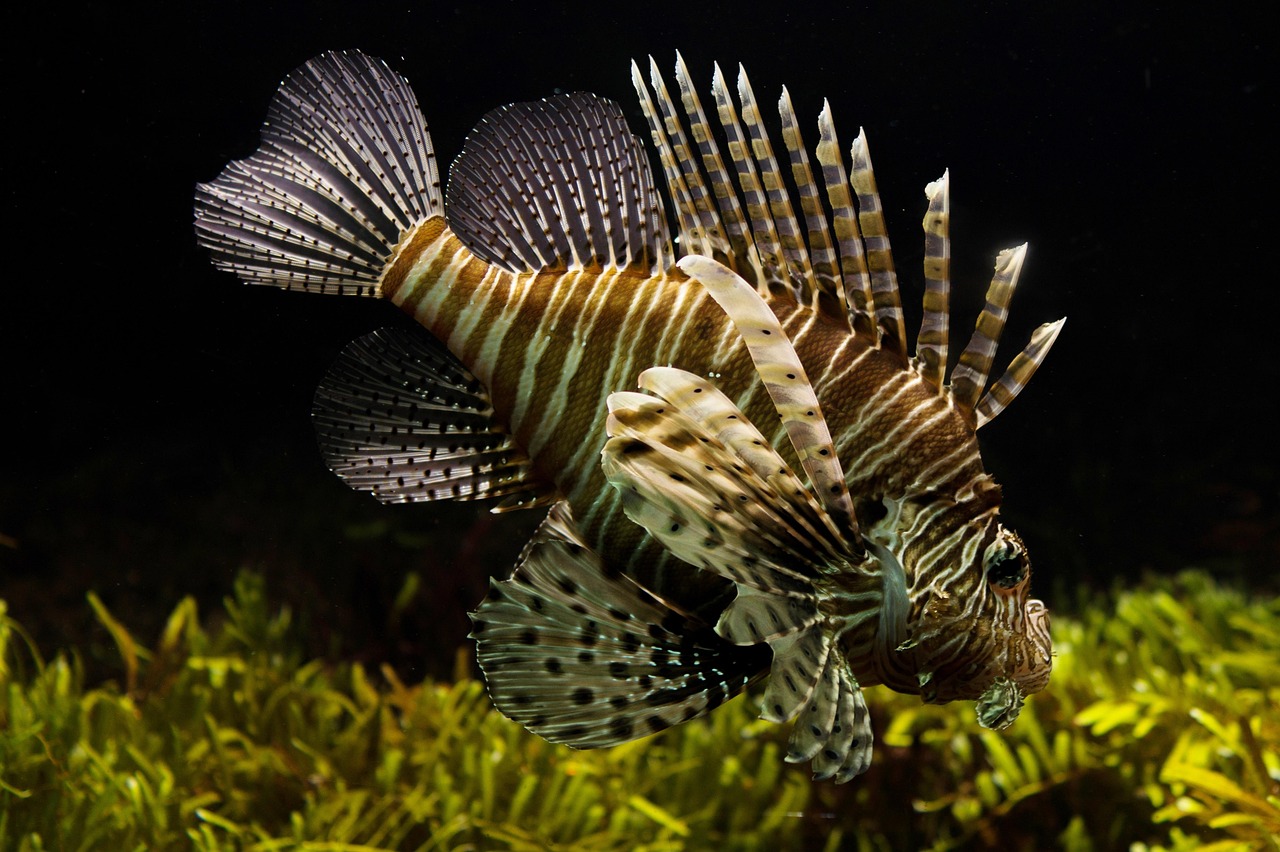
The orchid dottyback was one of the first marine fish captive-bred commercially, and it remains one of the few species a dedicated hobbyist can realistically raise from egg to juvenile in a home set-up. Successful pseudochromis fridmani orchid dottyback breeding demands a bonded pair, a disciplined larval-rearing regime and enough rotifer culture to keep tiny mouths fed through the critical first 20 days. This guide from Gensou Aquascaping at 5 Everton Park maps the full workflow from pair selection to juvenile grow-out, with Singapore-specific notes on sourcing parent fish and sourcing live feed cultures.
Species Background and Captive Breeding History
Pseudochromis fridmani is endemic to the Red Sea, particularly around the Gulf of Aqaba. Wild specimens were collected heavily during the 1990s until ORA and Aquatic Life Sciences demonstrated reliable captive production in the early 2000s. Today, almost all orchid dottybacks in the Singapore trade are captive-bred from US or European hatcheries. Adults reach 7 cm, live 6-8 years and pair bond reliably in captivity.
Broodstock Pair Selection
Two adult orchid dottybacks introduced to an unfamiliar tank rarely bond peacefully; one usually kills the other within days. Buy a confirmed breeder pair from a reputable Singapore supplier or import from Biota or ORA. Alternatively, introduce a juvenile alongside an established adult and allow size-based hierarchy to define the pair. Males grow larger and develop fuller body conformation, while females retain the slender juvenile shape.
Breeding Tank Setup
A dedicated 75 litre breeding tank works well, furnished with live rock caves and multiple small PVC elbows as potential nest sites. Lighting is moderate; blue-heavy reef spectrum is fine. Keep parameters stable at 25°C, salinity 1.025, pH 8.2, alkalinity 8 dKH. A hang-on-back filter plus moderate flow provides adequate circulation without sucking larvae into the intake. Avoid protein skimmers during spawning cycles; they strip nutrient rich egg slurry.
Pair Bonding and Territorial Behaviour
Bonded pairs claim a cave, defend it mildly against intruders and cohabit peacefully otherwise. The male deepens colour from lavender to strong purple during courtship and displays rapid fin flicks near the female. Watch for the male cleaning a nest cave by mouth-carrying debris outside; this is the reliable precursor to spawning within days. Our orchid dottyback care guide covers the daily care routine that supports sustained pair fitness.
Spawning Triggers and Frequency
Feed the pair four times daily with high-quality mysis, krill, enriched brine and clam meat for 10-14 days before expecting spawns. Established pairs spawn every 5-7 days once conditioned. The male fertilises eggs laid in the cave and guards the egg mass, fanning oxygen across the ball for 5-6 days. A spawn typically contains 300-700 eggs in a single adhesive cluster that the male protects fiercely.
Egg Collection or Parental Incubation
Two approaches work. First, leave the male to incubate eggs in situ and siphon hatched larvae at night from the water column. Second, remove the egg cluster on day 5 into a hatching kreisel with gentle aeration. Hatching occurs on day 6-7 triggered by darkness; larvae rise to the surface following the weak phototaxis that leads them to a dim dawn light on the receiving larval tank.
Larval Rearing Water and Flow
Larval orchid dottybacks are non-feeding for the first 24 hours after hatching as they absorb yolk sacs. A 20-40 litre black-walled larval tank with gentle air-driven flow works best. Maintain 25-26°C, salinity 1.025 and near-zero ammonia through small daily water changes from a paired reef reservoir. Singapore RODI units produce acceptable reconstituted saltwater; see the best rodi system marine aquarium review for unit selection.
First Feeds and Rotifer Management
Larvae begin feeding on L-type rotifers (Brachionus plicatilis) at 48 hours post hatch. Culture rotifers at 8-15 per ml in the larval tank at all times during week one, topping up twice daily. Enrich rotifers with HUFA products like Selco before dosing. Around day 10-12, introduce newly hatched brine nauplii, maintaining rotifer density simultaneously. The marine copepod phytoplankton culture guide covers the phytoplankton base needed to sustain rotifer productivity.
Metamorphosis and Grow-Out
Metamorphosis occurs around day 28-35, signalled by larvae transitioning from pelagic swimming to benthic exploration along the tank walls. At this point, move juveniles to a nursery tank with PVC hides and upgrade to frozen cyclops, mysis and fine pellet. Cannibalism is low in this species compared to clownfish, but size-grade every two weeks to minimise competition. Juveniles colour up by week eight, showing faint lavender that deepens by week 12.
Singapore Sourcing for Broodstock and Feeds
Captive-bred orchid dottybacks from Biota or ORA appear at Pasir Ris marine shops occasionally for $80-120 each. Rotifer and phyto starter cultures are available on Carousell and Shopee from hobbyist sellers; expect $15-25 for a viable starter. Brine shrimp eggs and hatcheries are easy to source locally. Selco and Selcon enrichment products are stocked by specialist marine shops at $40-55 per bottle.
Practical Viability and Cost Reality
A home breeding programme producing orchid dottybacks monthly takes roughly 100 litres of dedicated system capacity, an autodoser for stability and 30 minutes of daily labour. Output of 20-40 weaned juveniles per month covers costs at Singapore retail prices if you sell via Carousell and marine shops. This is hobby-grade production rather than a business, but the experience of breeding a marine fish from egg to juvenile justifies the effort on its own merits.
Related Reading



