
Fish Tank Maintenance Tips Guide: Pro Habits
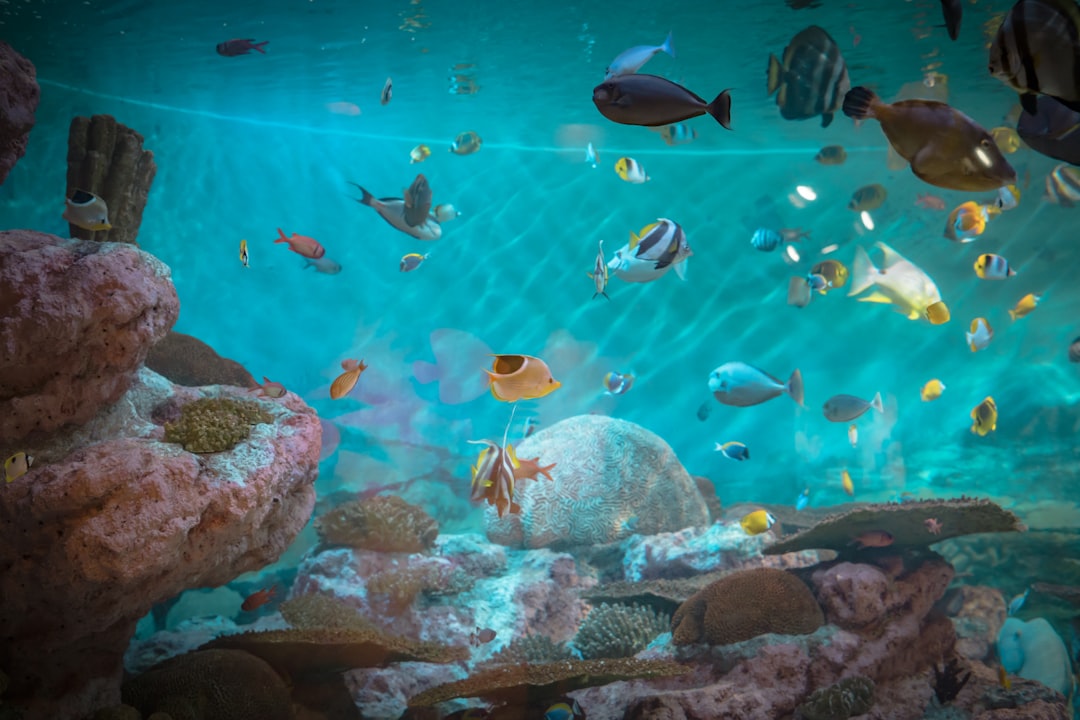
Most tanks fail quietly. A missed water change here, a glass pane left cloudy there, and within a month the algae has the aesthetic upper hand. This fish tank maintenance tips guide from Gensou Aquascaping at 5 Everton Park distils two decades of weekly routines into habits that actually stick in a humid HDB flat. The aim is not a spotless display for Instagram — it is a stable system where fish behaviour tells you almost everything you need to know before you ever pick up a net.
Why Small Habits Beat Deep Cleans
A five-minute wipe of the front glass every Saturday prevents the 45-minute scrape you will otherwise face in three weeks. Biology follows the same pattern: a steady weekly water change keeps nitrate trending down, whereas a monthly rescue job spikes parameters and stresses livestock. Consistency is the real skill; elaborate gadgets are optional. Singapore’s year-round warmth accelerates biological processes, which means small mistakes compound faster than they would in a temperate climate.
Build a Weekly Rhythm
Pick one evening and stick to it. Most hobbyists who last more than two years tie maintenance to an existing routine — Sunday evening before laundry, for instance. A 20-minute slot covers glass cleaning, light gravel work, filter floss rinse and a 25 percent water change on anything up to 120 litres. Writing the date on a whiteboard beside the tank removes the memory tax; you never stand there wondering whether last week happened or not.
Glass and Viewing Pane Care
Use a magnetic scraper for the algae film that grows between water changes, then a blade-edge scraper for the stubborn green dots. Cheap plastic magnets scratch acrylic — for acrylic tanks, a melamine sponge is safer. Clean the outside glass with a microfibre cloth and plain water; never spray window cleaner near the rim because ammonia aerosols drift in. Front pane first, then sides; the back can stay slightly green as biofilm for microfauna.
Water Change Volume and Temperature
Twenty-five percent weekly is the baseline for a moderately stocked community tank. Match replacement water temperature to within 1°C — in Singapore this is usually a non-issue because PUB tap water emerges around 28°C, very close to tank temperature. A simple trick is to stage a 20-litre Ikea bucket (SGD 8) in the kitchen overnight; warm kitchen air brings cool tap water up to tank temperature, whereas a bathroom bucket stays cooler. Dose dechlorinator at the bucket before adding.
Filter Servicing Without Crashing the Cycle
Rinse mechanical media (sponges, floss) in a bucket of old tank water, never under the tap. Chlorinated water kills the nitrifying bacteria you have spent weeks cultivating. Service one filter at a time if you run two, and leave biological media alone unless it is physically clogged. Canister filters in Singapore need hose inspection every six months because warm water softens cheap tubing and kinks form where the hose bends tightly behind a stand.
Substrate and Hardscape Maintenance
Gravel benefits from a light vacuum during water changes — push the tube down, let the gravel rattle, move 5 cm across. Planted tanks with carpets get a hover-skim above the substrate instead. Wipe hardscape lightly with a soft brush if diatom film builds up; boiling driftwood every year to remove tannins is unnecessary unless you see a fungal bloom. A balanced tank keeps its own rocks clean through grazing livestock.
Equipment Check Walk-Through
Every fortnight, run your eyes over heater readings, filter outflow strength, lid temperature and any visible condensation patterns. HDB kitchens and bedrooms run 28-32°C ambient, so heaters often sit idle — worth confirming they still work before the one cool night in January catches you out. Lights mounted over tanks pick up dust that blocks PAR; wipe the clear cover monthly with a dry microfibre cloth.
Observing Fish Before You Touch Anything
Spend two minutes watching before maintenance begins. Are they grazing normally? Gills flaring? Colour dulled? A behavioural baseline is worth more than any test kit because fish notice parameter drift long before numbers do. Clamped fins, gasping at the surface or hiding mid-shoal are the first warnings. If something looks off, test before you change water — a sudden change masks the cause.
Testing Cadence That Actually Matters
Weekly test kits are overkill on a mature tank and underkill on a new one. New tanks: ammonia and nitrite twice weekly for the first six weeks. Mature tanks: nitrate and pH fortnightly, GH and KH monthly. Singapore tap water is soft and lightly acidic, so planted tanks running CO2 drift low on KH; a monthly check prevents pH swings during the photoperiod.
Sourcing and Storage
Stock up on dechlorinator, filter floss and sponge refills from C328 Clementi or Qian Hu Pasir Ris — bulk tubs cost less per dose. Store a dedicated maintenance caddy (Ikea plastic box, SGD 5) with nitrile gloves, clean microfibre cloths and a spare magnet scraper. Dedicated buckets must never touch soap; label them clearly and keep them in the HDB laundry yard between water changes so they air-dry properly.
Related Reading
- Aquarium Water Change Guide Singapore
- Aquarium Maintenance Schedule Singapore
- How to Clean Fish Tank Gravel Guide
- Canister Filter Service Guide
- Aquarium Test Kit Guide Singapore



