
How to Introduce New Fish to Tank Guide: QT to Display
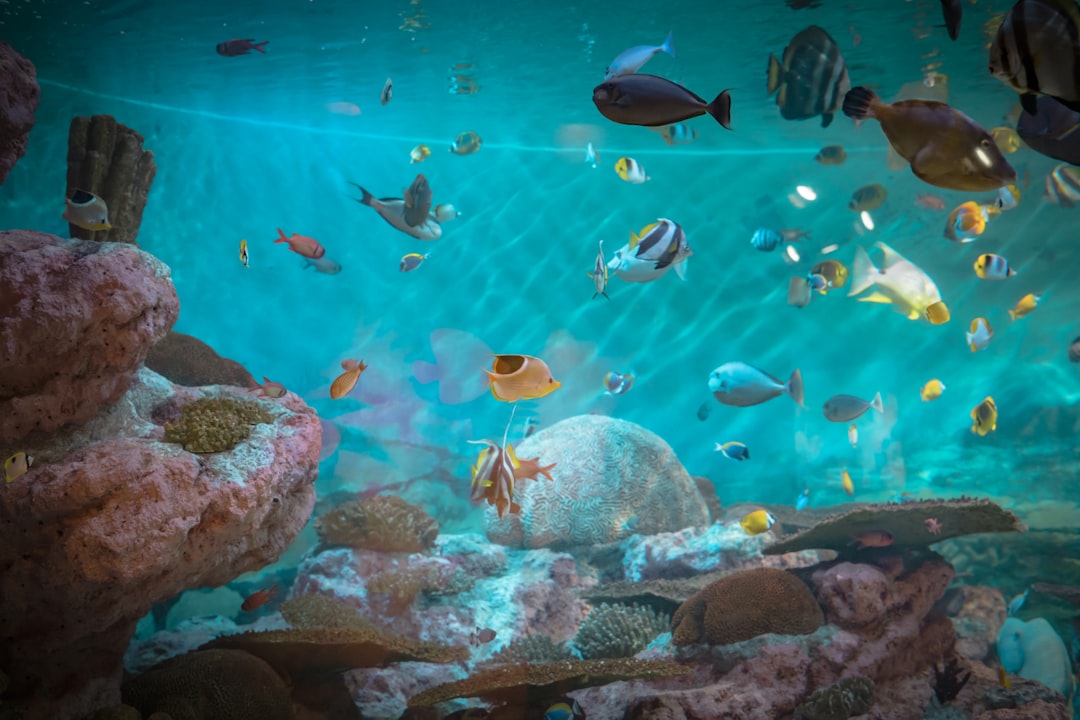
Introducing new fish to an established tank without quarantine is the single most common source of disease outbreaks in Singapore hobby aquariums. This how to introduce new fish to tank guide from Gensou Aquascaping at 5 Everton Park covers the full pipeline — shop purchase, quarantine tank setup, observation period, acclimation and final display release. Done properly, the protocol takes four weeks and dramatically reduces livestock losses. Skipped entirely, the tank that took you six months to stabilise can crash in a week.
Why Direct Introduction Fails
Shop fish carry pathogens even from reputable retailers — ich, flukes, bacterial infections and internal parasites all transfer readily. An established tank with immunocompromised residents meets fresh pathogens and outbreaks follow. Even apparently healthy fish shed organisms that only manifest under stress. Direct addition works 70 per cent of the time; the 30 per cent failure rate costs more in lost stock than a quarantine tank ever saves you.
Set Up a Simple QT Tank
A 30-40 L bare-bottom tank with a cycled sponge filter, heater and cover is all you need. Cost: $80-130 all-in. Keep a sponge filter permanently running in your display tank so it seeds the QT instantly when needed. Bare bottom makes observation and medication easier. Add one or two plastic or ceramic hides — anubias tied to rock works too. This QT setup doubles as a hospital tank when any resident fish falls ill.
Observation Period Length
Minimum 14 days, ideally 21-28 days for fish from mixed-source shops. The longer window catches slow-onset issues (internal parasites, gill flukes) that fast protocols miss. During observation, feed normally, test water twice weekly, and watch for flashing, clamped fins, white spots, rapid breathing or colour loss. Any symptom restarts the clock from the treatment completion date.
Prophylactic Treatment Debate
Experienced SG fishkeepers disagree on preventative medication. One camp runs every new fish through a low-dose metronidazole and praziquantel course; the other camp treats only on symptoms. Middle path: reserve prophylaxis for wild-caught or mixed-source shop fish, observe captive-bred from known breeders. Treating healthy fish stresses them unnecessarily; missing silent internal parasites costs you the tank. Your source quality dictates the call.
Temperature Matching Between Tanks
Keep QT and display at the same temperature to eliminate one stress variable on transfer. Standard 25-27°C suits most community fish. If treating with heat (ich protocol at 30°C for 14 days), cool the QT gradually back to display temperature over 2-3 days before transfer. Sudden temperature drop after treatment can trigger secondary infections in already-stressed fish.
Acclimation From QT to Display
Drip-acclimate over 30-45 minutes even though both tanks are “yours.” Parameters drift between separate systems. Net the fish from the bucket to the display, never pour the water. Turn display lights off or dim them. Release before a feeding so new fish find food with the school rather than competing hungry. The drip acclimation step is not optional regardless of QT and display appearing identical.
Managing Established-Tank Territory
Residents claim territory the longer they live in a tank. Adding newcomers to a six-month-old community triggers chases and fin-nipping until new positions settle. Three tactics reduce aggression: rearrange hardscape the day of introduction so territories reset, add newcomers at night with lights off, and add newcomers in small groups (3-5 at once) so aggression spreads. Adding a single newcomer to an aggressive tank concentrates all hostility on one fish — usually fatal.
Feed to Distract, Not to Overload
A light feeding at release time occupies residents and lets newcomers explore. Do not overfeed — new tanks must absorb added bioload without an ammonia spike. Resume normal feeding routine 24 hours post-introduction. The first week, feed twice daily in small amounts at both ends of the tank so timid newcomers eat without fighting for food at a single feeding station.
Monitor Both Old and New Residents
Watch established fish for stress behaviour — they may react to newcomers with the same intensity newcomers feel themselves. Flaring, hiding among residents, or sudden colour changes signal social disruption. Test ammonia daily for the first week. Many hobbyists focus only on newcomers and miss the tank-wide stress wave that passes through. Balance returns within 5-10 days in most community setups.
When Things Go Wrong
White spots appearing 3-7 days post-introduction signal ich — treat the whole display tank at 30°C with 0.1 per cent salt or proprietary ich medication. Flashing without visible spots suggests gill flukes — praziquantel course. A sudden ammonia spike indicates either overstocking or biofilter disruption — water changes and Prime. If a newcomer dies within 48 hours and others follow, remove survivors to QT for diagnosis and protect the display by leaving the inhabitants in place with extra water changes. A disciplined how to introduce new fish to tank guide protocol pays off across years of stable fishkeeping.
Related Reading
- How to Quarantine New Fish Complete Guide
- How to Transfer Fish to New Tank Guide
- Ich Treatment Singapore Guide
- Fish Disease Prevention Guide
- Hospital Tank Setup Guide



