How to Transfer Fish to New Tank Guide: Minimal Stress Method
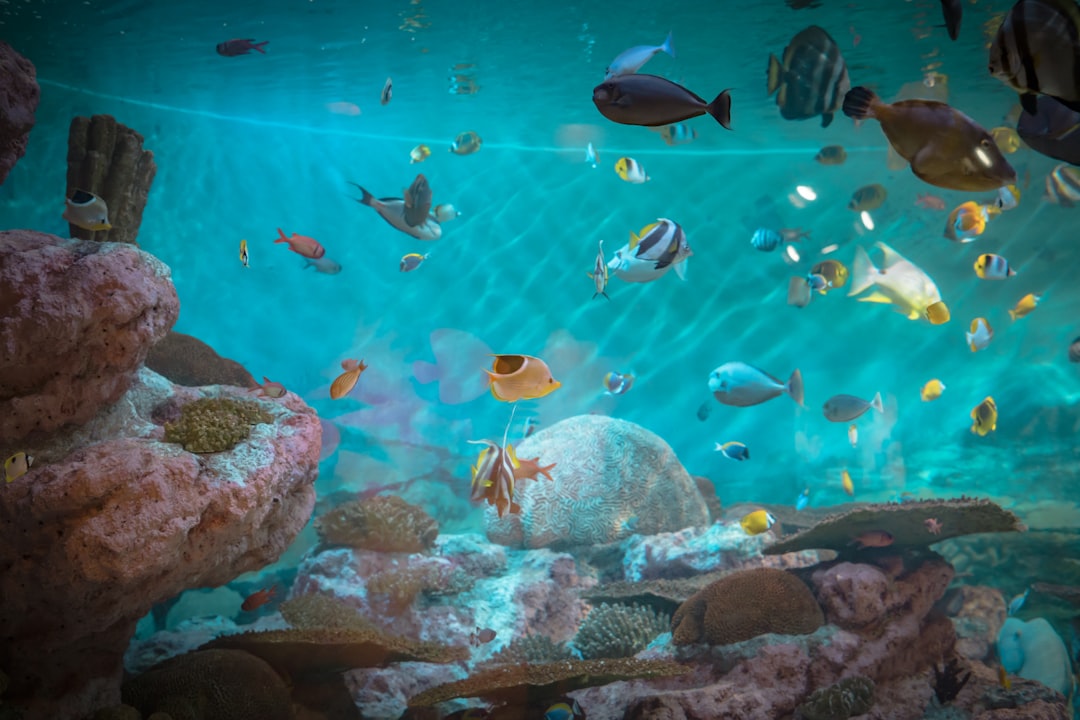
Transferring fish between tanks is the single most stressful routine event in captive fishkeeping, and badly-done transfers kill more Singapore fish than any disease. This how to transfer fish to new tank guide from Gensou Aquascaping at 5 Everton Park details the minimum-stress sequence for tank-to-tank, shop-to-home and post-quarantine transfers. The protocol below is the same one we run in-shop for every bag we hand to customers, refined over twenty years and thousands of fish.
Understand What You Are Protecting Against
Transfer mortality comes from three sources: osmotic shock from parameter differences (pH, GH, TDS, temperature), oxygen crash in the bag during transport, and ammonia spike as bag water pH drops and trapped ammonia becomes toxic on opening. Each is preventable. The fish that dies two days after transfer almost always lost the fight in the first two hours, not from any disease.
Prepare the Destination First
Your new tank or receiving tank must be cycled, parameter-stable and at target temperature before fish arrive. Test ammonia 0, nitrite 0, nitrate under 20 ppm, temperature matching the source within 1°C, pH within 0.3 units if possible. Dim the lights. Have a clean net, a spare bucket and Seachem Prime within reach. Rushing into a not-ready tank explains half of all transfer failures.
Bag Handling From Shop to Home
Keep bags upright, insulated and dark for the journey home. An opaque cooler with a thin cloth between bag and ice pack holds 24-28°C reliably in SG heat. Direct sun through a car window pushes bag water to 35-40°C within 20 minutes — lethal for most species. Grab-and-go trips from Serangoon North or C328 Clementi should get livestock home inside 60 minutes. Longer journeys warrant oxygen-pumped bags ($3-5 extra per bag).
Float the Bag for Temperature
Place the sealed bag in the destination tank for 15 minutes. This equalises temperature without mixing water. Skip this only if you know both tanks are already at identical temperature — rare in practice. Temperature shock (sudden 3°C+ drop or rise) triggers immediate stress coloration, rapid gill movement and sometimes shock death within hours. Temperature first, everything else second.
Drip Acclimation for Parameter Differences
Transfer the bag contents (fish and water) into a clean bucket or large plastic container placed below the destination tank. Tie a knot in airline tubing, run a siphon from tank to bucket, adjust the knot until water drips at 2-3 drops per second. Let the bucket volume double over 30-45 minutes. Drip-acclimation matters most for shrimp, wild-caught fish and species moving between very different water parameters; robust community fish (guppies, platies) can use abbreviated 15-minute drip.
Never Pour Bag Water Into the Tank
Shop bag water contains concentrated ammonia, possible pathogens and stressed-fish metabolites. Once acclimated, net the fish from the bucket into the tank. Pour the bucket contents down the drain. Fish that arrive covered in slime coat from stress benefit from 30-60 minutes in clean bucket water before transfer — a brief freshwater “rinse” improves outcomes for wild-caught stock.
Net Technique Matters
Use the largest net that fits the fish — smaller nets damage fins and scales. Soft-mesh nets are gentler than stiff mesh. For catfish, loaches and fish with spines (including corys), scoop into a small container rather than netting to avoid tangled barbels. Move slowly; panicked fish injure themselves against net sides. Two nets (one to guide, one to catch) beats single-net chases every time.
Post-Release Protocol
Release with the tank light off or dimmed. Fish swim to cover immediately — this is normal and welcome. Do not feed for 12-24 hours. Monitor for flashing (rubbing against substrate), gasping at the surface, or lethargy. Test ammonia 24 hours post-transfer; a cycled tank with appropriate bioload shows 0 ppm. If a small bump appears, dose Prime and do a 20 per cent water change.
Shrimp and Invertebrates
Crystal shrimp, bee shrimp and other sensitive invertebrates require extended drip-acclimation of 90-120 minutes. Volume should triple, not just double. Temperature, TDS and pH must match closely; shrimp die from parameter shock more readily than fish. Post-transfer, resist the urge to rearrange the tank or feed heavily for 72 hours. New shrimp need calm and cover to moult successfully.
SG-Specific Water Notes
PUB tap water runs soft (GH 2-4) and slightly acidic. Imported fish from harder-water farms may need slower acclimation. If your source is a specialist wholesaler or another SG home tank, parameters likely match closely. Breeders working with remineralised RO water produce fish that handle PUB water without issue. Confirm with the retailer which water type the fish grew up in; match your tank water or acclimate over a longer window.
When to Abort and Restart
Fish that go belly-up during acclimation, show heavy scale damage, or bleed from the gills need the bucket stabilised with Prime immediately and a re-assessment before release. Dead-on-arrival fish are almost always shop or transit failures — return within the shop’s guarantee window (typically 24 hours at Serangoon North and C328, with photos). Releasing obviously sick fish into a healthy tank spreads disease and turns one problem into five.
Related Reading
- How to Introduce New Fish to Tank Guide
- How to Quarantine New Fish Complete Guide
- Drip Acclimation Method Guide
- How to Make Fish Feel at Home in New Tank
- Shrimp Acclimation Guide