Reef Tank Beginner Complete Guide: Corals and Clownfish
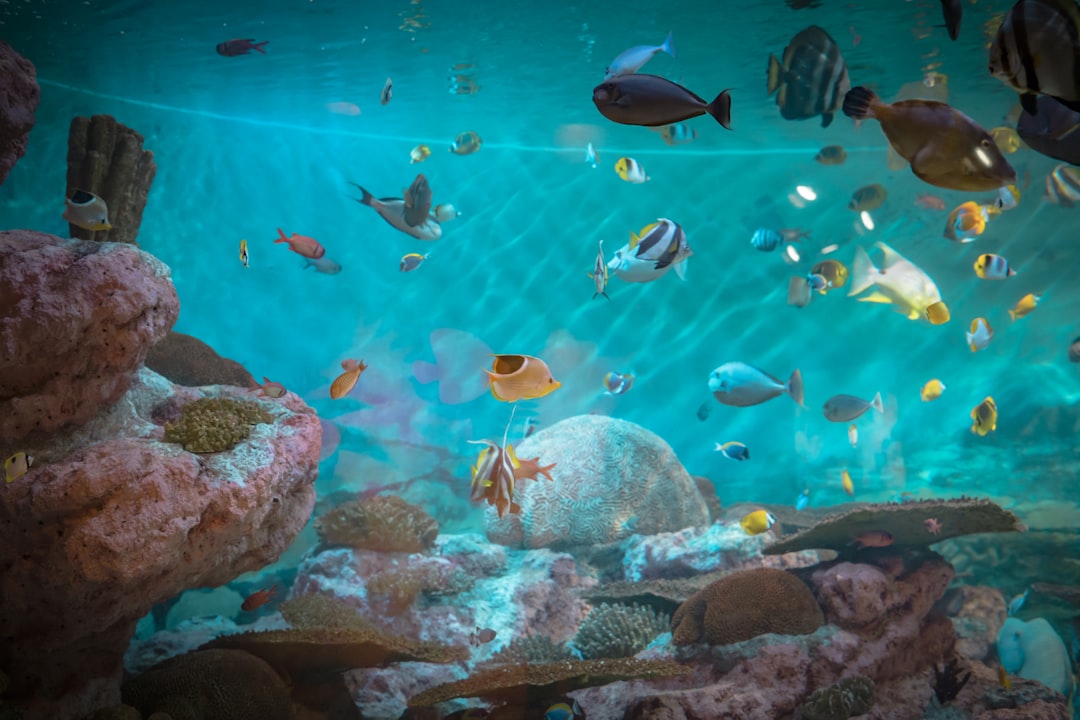
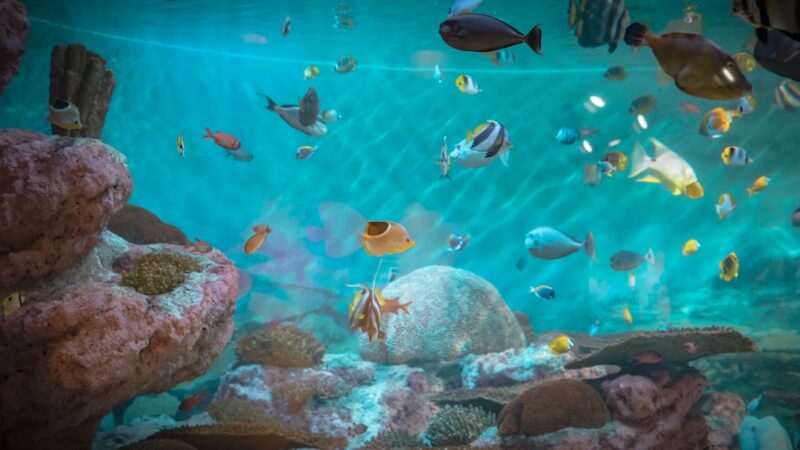
A reef tank sells itself in a shop window: swaying anemones, a pair of clownfish darting through a coral garden, colour that freshwater simply cannot match. What the shop window hides is the chiller, the RO/DI unit and the 12 months of patience between unboxing and that mature display. This reef tank beginner complete guide is the straight-talking walkthrough we at Gensou Aquascaping, 5 Everton Park, give every Singaporean freshwater convert who walks into the studio asking where to start. This guide sits inside our broader Saltwater Reef Tank Master Guide reference.
What Makes a Reef Tank Different From Fish-Only
Corals are animals with razor-thin tolerance for parameter swings. A fish-only saltwater tank forgives 30 per cent water changes once a month; a reef tank wants alkalinity steady within 0.5 dKH, calcium within 20 mg/L and temperature within one degree Celsius over 24 hours. That stability mandate drives every equipment decision from chiller size to salt mix selection.
The Beginner-Friendly Tank Sizes
Nano reefs in the 40-75 L range forgive budget constraints but punish skipped water changes. Mid-size tanks of 150-250 L are the sweet spot — enough volume for stable chemistry, small enough to fit an HDB living room. The Red Sea Max Nano at SGD 1800-2400 from Polyart is a popular plug-and-play starter; the Innovative Marine NUVO 40 at around SGD 1100 offers a sumped AIO layout. The Fluval EVO 13.5 at SGD 380 from Qian Hu suits tight spaces but leaves little margin for error.
Essential Equipment Beyond the Tank
A reef-spec LED (Kessil A360X, Radion XR15 Blue, or a pair of AI Prime 16HD) runs SGD 450-900 and drives coral photosynthesis. A chiller sized one step above tank volume keeps Singapore reefs at 24-26 degrees Celsius. A protein skimmer rated above tank volume strips dissolved organics before they become nitrate. A return pump moving 4-6 times tank volume per hour plus one or two powerheads for flow diversity round out the core list.
Water and Salt
RO/DI is the single non-negotiable input. PUB tap water brings chloramine, silicate and inconsistent hardness that kill corals over weeks through algae blooms and bacterial shifts. A 4-stage BRS RO/DI at SGD 250 produces 0 TDS water at home; refills cost roughly SGD 0.15 per litre in electricity and membrane wear versus SGD 1 bottled. Red Sea Coral Pro or Tropic Marin Pro salt mixes deliver 8-9 dKH alkalinity and 440 mg/L calcium at 1.025 specific gravity.
Aquascape With Dry Rock
Dry MarcoRock or Pukani at SGD 15-20 per kilogram from Reef Depot or Iwarna Aquafarm is the beginner’s best friend. It avoids aiptasia anemones, bristleworms and mantis shrimp hitchhikers that seeded live rock drops into your system. Build open arches rather than a back-wall brick to maximise flow paths and coral-placement real estate. Glue structural joints with reef-safe epoxy putty.
Cycle and Diatom Phase
Dose 2 mg/L ammonia to kick-start the nitrogen cycle; warm SG water completes in 4-6 weeks. Expect a brown diatom bloom as silicate leaches from new rock and sand — it fades naturally as the system matures. Green film algae follows in months two and three. Resist chemical fixes; weekly 10 per cent water changes and patience outperform algaecides, which poison corals anyway.
First Livestock: Clownfish and Soft Corals
A pair of captive-bred ocellaris clownfish at SGD 30-50 each from C328 or Seaview is the classic starter. They are disease-resistant, eat any prepared food and breed readily in captivity. Pair them with a starter soft coral collection: zoanthids, green star polyps, Kenya tree and discosoma mushrooms, each SGD 15-40 per frag. Soft corals tolerate parameter swings that would bleach LPS or SPS within hours.
Parameter Targets for Soft and LPS Corals
Temperature 24-26 degrees Celsius. Salinity 1.025 specific gravity (35 ppt). Alkalinity 8-9 dKH. Calcium 420-440 mg/L. Magnesium 1300-1400 mg/L. Nitrate 2-10 mg/L (not zero — corals need trace nutrients). Phosphate 0.03-0.10 mg/L. pH 8.1-8.4. Hanna alkalinity and phosphate checkers at SGD 120 each from Seaview replace imprecise drop tests.
Common Beginner Mistakes
Running too hot because the chiller is undersized kills stony corals first and soft corals within two months. Skipping quarantine introduces ich to the display and wipes out the stock you spent six months curating. Chasing numbers with daily dosing of alkalinity buffers stresses corals more than stable but imperfect parameters would. Add one new variable at a time, wait two weeks, then change the next.
Related Reading