
Reef Tank Temperature Complete Guide: Stability and Chillers
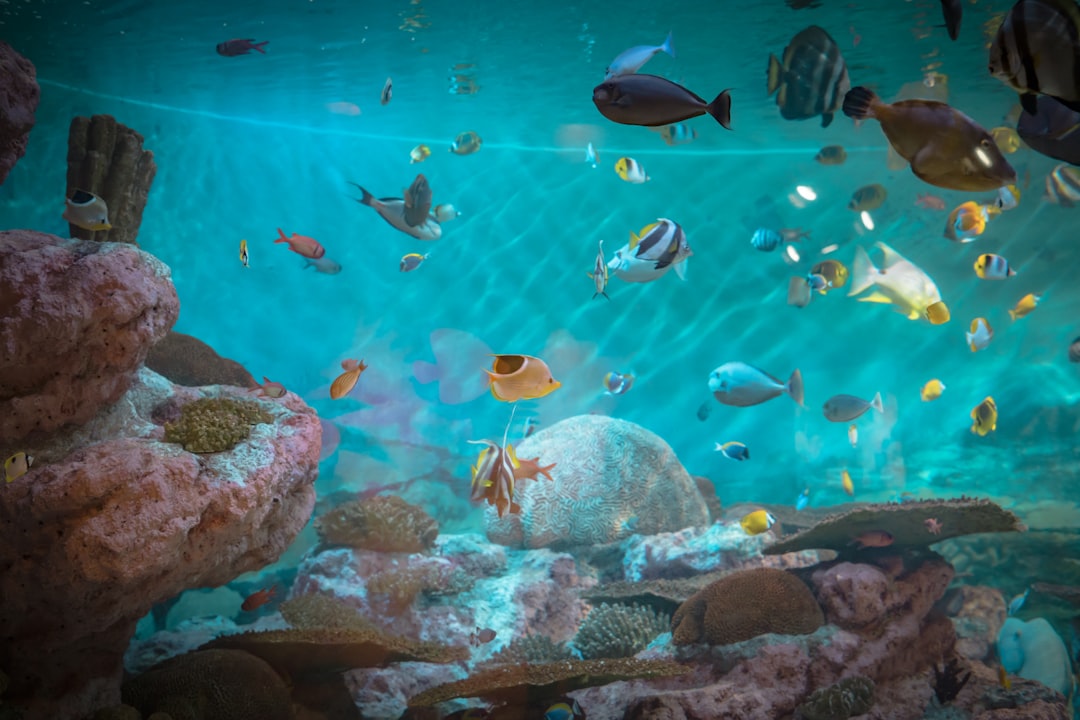
Singapore’s 28-32°C ambient room temperature sets the biggest single constraint on reef keeping here — without a chiller, your display drifts to 29-30°C and corals RTN within weeks. Temperature is the parameter most new reefers underestimate and the one most responsible for disaster. This reef tank temperature complete guide from Gensou Aquascaping at 5 Everton Park covers target ranges, chiller sizing against real equipment heat loads in SG flats, and the stability tricks that separate a healthy reef from a coral graveyard. The rule is simple: consistent 25°C beats a swinging 24-27°C every time. This guide sits inside our broader Saltwater Reef Tank Master Guide reference.
Why Reef Corals Demand Stability
Wild reef corals experience 0.5-1°C daily swing at most. Captive corals acclimate to narrower ranges, and sudden 3-4°C swings trigger bleaching and tissue necrosis within 48 hours. The absolute temperature matters less than the stability — a steady 26.5°C is safer than a range of 24-27°C over the same week. Thermal stress compounds with other stressors; a coral coping with new parameters can tolerate 25°C but not 25-28°C.
Target Temperature Range
Most mixed reefs run target 25°C with chiller set to 24.8-25.2°C for a tight band. SPS keepers often target slightly cooler at 24.5°C to enhance colouration and growth. LPS and softie dominant tanks tolerate 25-26°C without issue. Beginners commonly run too warm because the ambient pushes them there; leaving it at 27-28°C accelerates metabolism, increases oxygen demand, and shortens coral lifespan even without obvious bleaching.
Heat Sources in an SG Reef
Map the heat inputs before sizing cooling. A typical 300 litre mixed reef runs: LED 80-150 W, return pump 25 W, skimmer pump 20 W, two powerheads 20 W, UV sterilizer 18 W — total roughly 175-250 W continuous input. Room ambient at 30°C adds passive load through the glass. Every one of those watts ends as heat in the tank. In a 25°C closed system at 30°C ambient, you are moving 400-500 W of heat out continuously.
Chillers Are Non-Negotiable in SG
Fans help freshwater tanks; they do not rescue a reef in Singapore humidity. Reef chillers are compressor-based units that pull heat via a titanium coil immersed in the sump. Hailea HC-130A (SGD 450) handles nanos to 80 litres. Hailea HC-500A (SGD 780) covers 200 litre mixed reefs with modest lighting. JBJ Arctica DBE-200 (SGD 1,200) suits 300-500 litre reefs with DC pumps and SPS lighting. Resun CL-280 (SGD 580) is a popular mid-range pick at Reef Depot.
Chiller Sizing Against Real Loads
Chiller capacity is rated in BTU/hour or watts of cooling. Target 1.5-2x your calculated heat input for margin — a 250 W heat load wants 400-500 W of cooling capacity. Undersized chillers run at 100% duty cycle, wear fast, and lose 2-3°C during lights-on peak that they never recover during the night phase. Plan for skimmer heat specifically — DC skimmers add less, big air-driven AC pumps add more, and this is easy to miss on the equipment spec sheet.
Installation and Flow
Plumb the chiller off the return pump via a tee, with a bypass gate valve on the main return line to tune flow split. Target 600-1200 LPH through the chiller for a mid-size unit — too fast and the water does not cool properly, too slow and the pressure switch kicks off. Locate the chiller outside the tank room ideally, because the condenser dumps heat into the surrounding air — a chiller cooling a reef in an enclosed cabinet heats the cabinet and then the reef. Ventilated open stands win.
Heaters Still Matter in SG
Yes, even here. Air-conditioned bedrooms drop to 22-24°C overnight, and an unmonitored reef can slide to 23°C — below SPS comfort zone. Pair the chiller with a 100-200 W submersible heater (Eheim Jager SGD 55, Cobalt Neo-Therm SGD 85) set to 24.5°C. The heater catches overnight dips while the chiller handles daytime highs. A temperature controller (Ranco ETC-111000 SGD 80) running both devices against a single sensor is the reliability upgrade serious reefers make.
Monitoring and Alarms
Running without temperature alarms is a guaranteed future disaster — chiller failures, relay sticks and PSU deaths happen, and the first warning sign is coral bleaching hours after the event. Apex Neptune SGD 900, Hydros Control 2 SGD 350, or a basic Inkbird temperature controller SGD 45 with SMS notifier all work. At minimum, two independent thermometers (one glass in display, one digital in sump) catch probe failures.
Cooling Without a Chiller — When It Works
Small nanos under 40 litres in constantly air-conditioned rooms can sometimes hold 26-27°C without active cooling, at the high edge of coral tolerance. This only works if the AC runs 24/7 and the room temperature genuinely holds 24°C or cooler. Power trips or short AC cycles during evening hours crash the setup. Chiller-less reefs in SG survive on very narrow conditions and one weekend away from home often ends them.
Total Annual Cost in SG
A mid-size reef chiller (500-700 W cooling, 250 W compressor) runs roughly SGD 35-50 monthly on SP electricity tariffs — SGD 420-600 yearly. Heater adds minimal winter-free load. Replacement cost every 4-6 years as compressors degrade runs another SGD 150-250 amortised. Against SGD 3,000-5,000 of coral stocking, this cooling cost is non-negotiable insurance. Skip the chiller and you are not running a reef — you are running a slow-motion coral casualty list.
Related Reading
- Reef Tank Parameters Beginner Guide
- Reef Tank Lighting Beginner Guide
- Protein Skimmer Beginner Complete Guide
- Reef Tank Budget Beginner Guide
- Reef Tank First Month Routine Guide



