Fish-Only Saltwater Tank Complete Guide: FOWLR Beginner Path
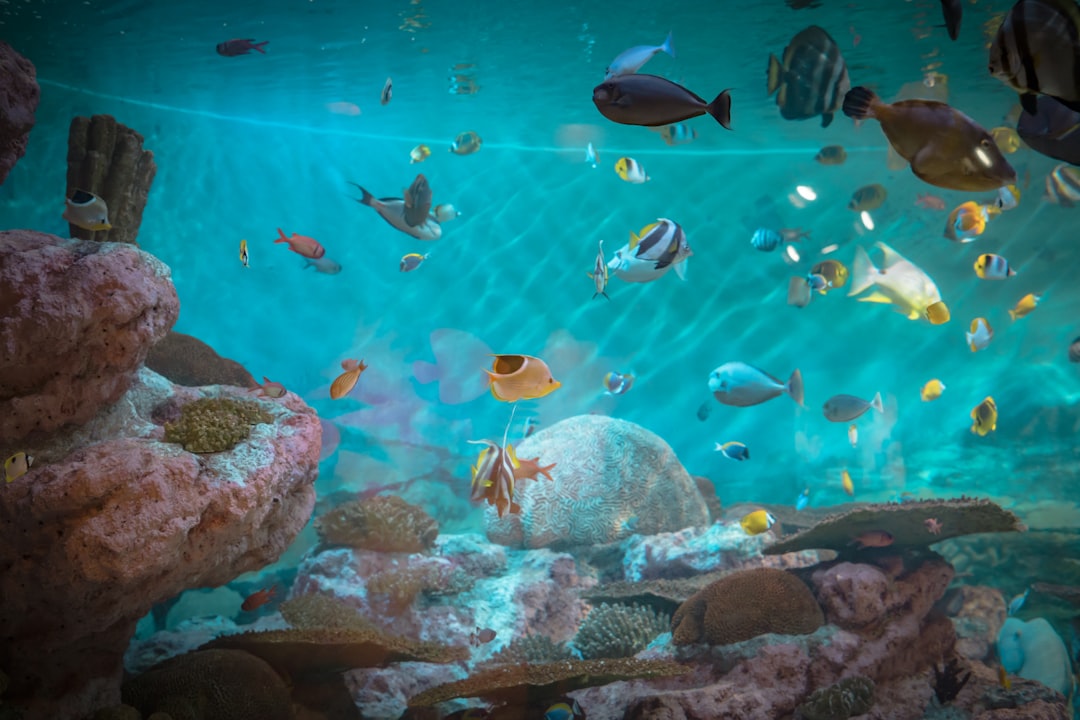
Fish-only saltwater tanks are often dismissed as the poor cousin of reef systems, but they hold a legitimate place for hobbyists who want colourful marine fish without the coral care overhead. This fish only saltwater tank complete guide from Gensou Aquascaping at 5 Everton Park covers the FOWLR (fish only with live rock) beginner path: tank size, filtration, stocking and realistic SGD spend at Reef Depot, Iwarna and C328. Done right, a FOWLR system lets you keep butterflyfish, triggers and angels that no reef keeper can touch.
What FOWLR Actually Means
FOWLR stands for “fish only with live rock”. The rock acts as biological filter, home to nitrifying bacteria and micro-invertebrates that process ammonia and nitrite. There are no corals, which frees stocking and lighting decisions from reef constraints. “Fish only” without live rock is also possible using purely mechanical and chemical filtration, but live rock is so much more stable that FOWLR has essentially replaced traditional fish-only setups among serious hobbyists.
Tank Size for Fish-Only Success
Start at 200 L (55 gallon) minimum — smaller tanks constrain stocking so heavily that you end up with two fish for the visual impact of a 75 L nano reef. A 300-450 L tank hits the sweet spot: you can keep a pair of clownfish, a yellow tang, a flame angel, a pair of bangaii cardinals and a coral beauty without overcrowding. Larger fish like blue tangs (Paracanthurus hepatus) or emperor angels need 700 L plus — do not buy them for a 200 L tank regardless of their current juvenile size.
Filtration Options
Three common setups work: a sump with skimmer, a canister filter, or an AIO tank. A sump is the gold standard — 75 L sump under a 300 L display, housing a Bubble Magus Curve 5 or Reef Octopus 110 skimmer (SGD 380-520 at Reef Depot), heater, return pump and chiller plumbing. Canisters (Eheim 2217, Oase BioMaster 250, SGD 320-450) work for 200 L FOWLR but need monthly media cleaning. AIO tanks like Waterbox 50.3 (SGD 850) suit compact setups without cabinet plumbing.
Rock, Sand and Aquascape
FOWLR tanks can use dry rock seeded with bacteria, same as reef. Plan 0.4-0.6 kg per litre — 80-120 kg for a 300 L display. MarcoRock at Reef Depot runs SGD 8-12 per kg, Pukani at Polyart SGD 12-14 per kg. Aragonite Caribsea Special Grade (SGD 35-55 per 9 kg bag) goes 3-5 cm deep. FOWLR scapes can stack rock more densely than reef because you are not leaving PAR-friendly shelves for coral. A rugged wall scape with caves and arches suits triggerfish and large angels that need hiding space.
Salt, Water and RO
Instant Ocean (SGD 85 per 7 kg box at Reef Depot or C328) or Reef Crystals (SGD 95) are the standard FOWLR salts. Tropic Marin Classic also works. Target salinity 1.022-1.025 SG — fish-only tanks often run slightly hyposaline at 1.019-1.021 SG as a parasite management strategy, though this is a personal choice. PUB tap water dechlorinated with Seachem Prime is acceptable for FOWLR. A small RO/DI unit (SGD 280-420) pays for itself if you plan to keep fish long-term, but it is not the mandatory purchase it is for reef.
Cycling Your FOWLR Tank
Dose Dr Tim’s Ammonium Chloride to 2 ppm, add Dr Tim’s One and Only bacteria, and wait two to four weeks. Test ammonia, nitrite and nitrate weekly. Ammonia should fall to zero within 7-14 days, nitrite within three to four weeks. Do not skip cycling because “fish are hardier than corals” — cycled tanks still kill fish, and FOWLR parameter forgiveness starts after the cycle, not before. Add fish only when both ammonia and nitrite read zero for three consecutive days.
Stocking Your FOWLR
FOWLR unlocks fish reefers cannot keep. Butterflyfish (Chaetodon auriga raccoon, Heniochus acuminatus bannerfish SGD 65-120 at Iwarna) eat most coral but thrive in FOWLR. Angelfish (Pomacanthus imperator emperor, Pomacanthus semicirculatus koran SGD 180-400) need space but show colour unmatched in reef-safe species. Triggerfish (Balistoides conspicillum clown trigger SGD 280-450) are intelligent but territorial. Mix large peaceful fish with reef-safe basics like tangs, clownfish and cardinals.
Quarantine and Disease Management
FOWLR tanks suffer marine ich (Cryptocaryon irritans) and velvet (Amyloodinium ocellatum) like any saltwater system, but without corals you can treat in-display with copper-based medication such as Cupramine (SGD 35 at Reef Depot). A dedicated quarantine tank — a 75 L bare-bottom with sponge filter — catches parasites before they reach the display. Treat new fish with Cupramine for 30 days at 0.5 ppm before introducing. This single habit prevents 90% of FOWLR catastrophes.
Maintenance and Long-Term Care
Weekly 10-15% water changes, filter floss swap and skimmer cup empty. Monthly: canister clean or sump wipe-down, test nitrate and salinity drift. FOWLR tanks tolerate occasional neglect — a missed week of water changes will not crash the system as quickly as a reef. Fish live 10-20 years in well-kept tanks, so budget for 15 years of salt and filter consumables rather than a single startup spend. A stable FOWLR is a long relationship with a handful of intelligent fish you will grow to recognise by personality.
Related Reading