
Betta Fish Tank Mates Complete Guide: Compatible Species
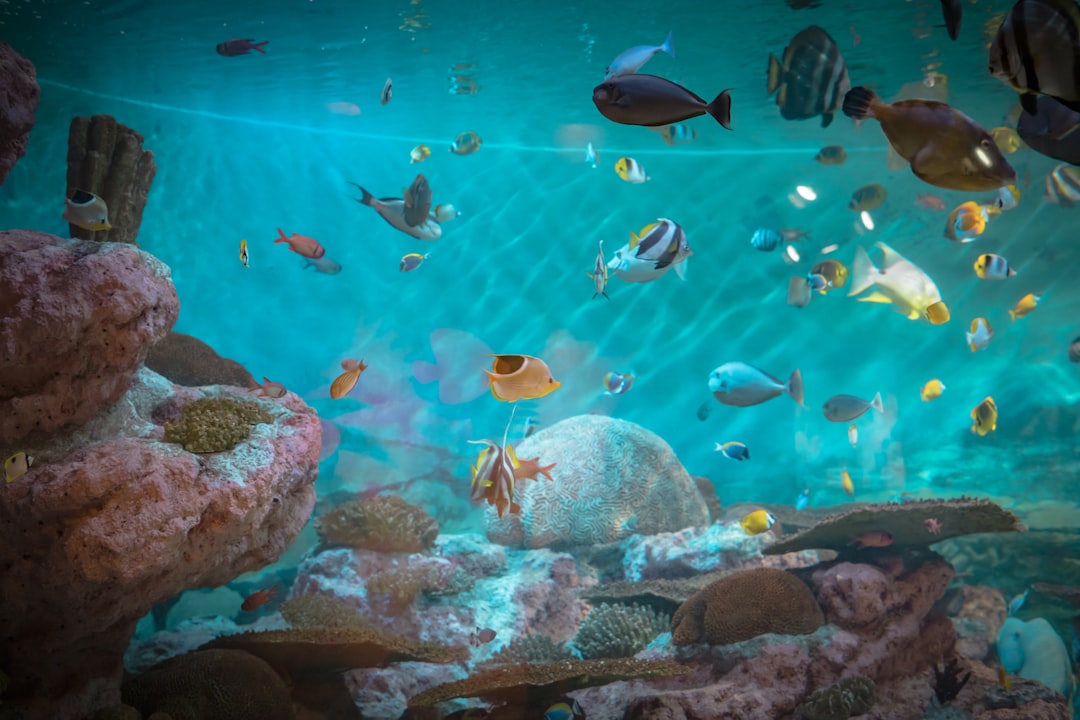
Ask a Singapore fishkeeper what question new betta owners get wrong most often, and the answer is almost always tank mates. A peaceful-looking male Betta splendens in a divided cup can turn into a fin-shredding bully the moment he sees a guppy tail. This betta fish tank mates complete guide from Gensou Aquascaping at 5 Everton Park lays out which species actually work, which ones are myths, and how to use tank volume, temperament screening and the divided VENY Triple Betta Tank as safety nets when things go wrong.
Why Betta Compatibility Is So Tricky
Bettas are territorial ambush predators that evolved in warm, plant-dense rice paddies with limited competition. In captivity, their reactions depend on individual temperament more than species pairing — two brothers from the same spawn can have wildly different tolerances. The golden rule is volume plus cover plus escape routes. Below 38 litres (10 gallons) you stock zero tank mates. Between 38-75 litres you can risk shoaling nano fish. Above 75 litres you gain real options.
The Core Compatible Species Shortlist
Ember tetras (Hyphessobrycon amandae), chili rasboras (Boraras brigittae), green neon tetras, harlequin rasboras, pygmy cories (Corydoras habrosus) and kuhli loaches form the safe short list. All stay under 3 cm, all shoal tightly, and none show interest in betta fins. Pair any of these in groups of 6-10 so the attention stays dispersed rather than concentrated on one individual.
Bottom Dwellers That Work
Corydoras species (C. habrosus, C. pygmaeus, C. hastatus) are ideal bottom partners — they forage in the substrate where bettas rarely patrol. Nerite snails, Malaysian trumpet snails and Ramshorn snails ignore the betta entirely. Amano shrimp (Caridina multidentata) at 3-4 cm adult size are usually safe because they are too large to swallow and fast enough to dodge. Neocaridina cherry shrimp are riskier — many bettas pick them off individually, though a well-planted 75 litre tank with deep moss cover often sustains a small colony.
Species to Avoid
Never house bettas with tiger barbs (Puntigrus tetrazona), serpae tetras, other gouramis, male guppies, or fancy goldfish. Tiger barbs and serpaes are chronic fin-nippers; male guppies wave colourful fins that read as a rival betta; gouramis trigger territorial warfare; goldfish need cool water and produce ammonia loads no betta tank filter can handle. Angelfish, rainbow sharks and dwarf cichlids also fail the test for different reasons.
Minimum Tank Size for a Community
Plan 75 litres as the realistic floor for any betta community. A 60 x 30 x 35 cm footprint gives a shoal of 8 ember tetras plus a betta plus 4 pygmy cories enough visual breaks that territories can form. Below that volume, you are asking too much of a small fish to share limited territory. Use the tanks and cabinets range to size up rather than trying to compress stocking into a 20 litre nano.
Testing Temperament Before You Commit
Before buying shoalers, observe your betta’s reaction to a mirror for 30 seconds. A male who flares, charges and builds bubble nests aggressively for five minutes straight is a poor community candidate. A male who flares briefly then loses interest has a gentler temperament and is far more likely to accept tank mates. Keep a hospital tank or a UP Aqua Betta Box on hand so you can separate fish at 30 seconds’ notice if aggression flares.
Planted Cover Is Non-Negotiable
Dense mid-ground and floating plants transform community viability. Water sprite, Salvinia, frogbit and Amazon frogbit break sight lines so shoalers can retreat. Tall Vallisneria and Cryptocoryne wendtii on the back wall give vertical cover, while java moss on driftwood hides shrimp fry. Source plants at C328 Clementi, Polyart Joo Chiat or the Nature Pet Serangoon outlet — rhizomes run SGD 6-10 and stem bundles SGD 5-8. Gensou’s live plants catalogue also delivers if weekend shop trips are not practical.
Water Parameter Overlap
Compatible species must share the betta’s parameter band: 25-28°C, pH 6.5-7.2, GH 3-6, KH 2-4. Singapore tap water fits naturally after dechlorination. Avoid African species needing hard alkaline water and avoid cold-water species entirely. The overlap is where chili rasboras, ember tetras and pygmy cories shine — they come from the same soft, warm, acidic habitats.
Reading Early Warning Signs
Within the first 72 hours after adding tank mates, watch for pinned fins on shoalers, betta hovering in one zone and charging anything that enters, or individuals hiding permanently. Any of these mean separation. Fin damage develops slowly and reversibly — a shoaler torn once recovers in two weeks with clean water, but repeated attacks end in death. When in doubt, rehome the tank mates and keep the betta solo; it remains a complete, happy stocking.
Carousell and Local Breeder Advice
Singapore’s Carousell betta community and Facebook groups like SG Bettas carry decades of pooled temperament data. Experienced breeders will often post honest disclosure on individuals — “this male shreds any tank mate” — if you ask before buying. That candour is worth more than any generic online compatibility chart.
Related Reading



