
Fish Tank Drawing Complete Guide: Easy to Detailed
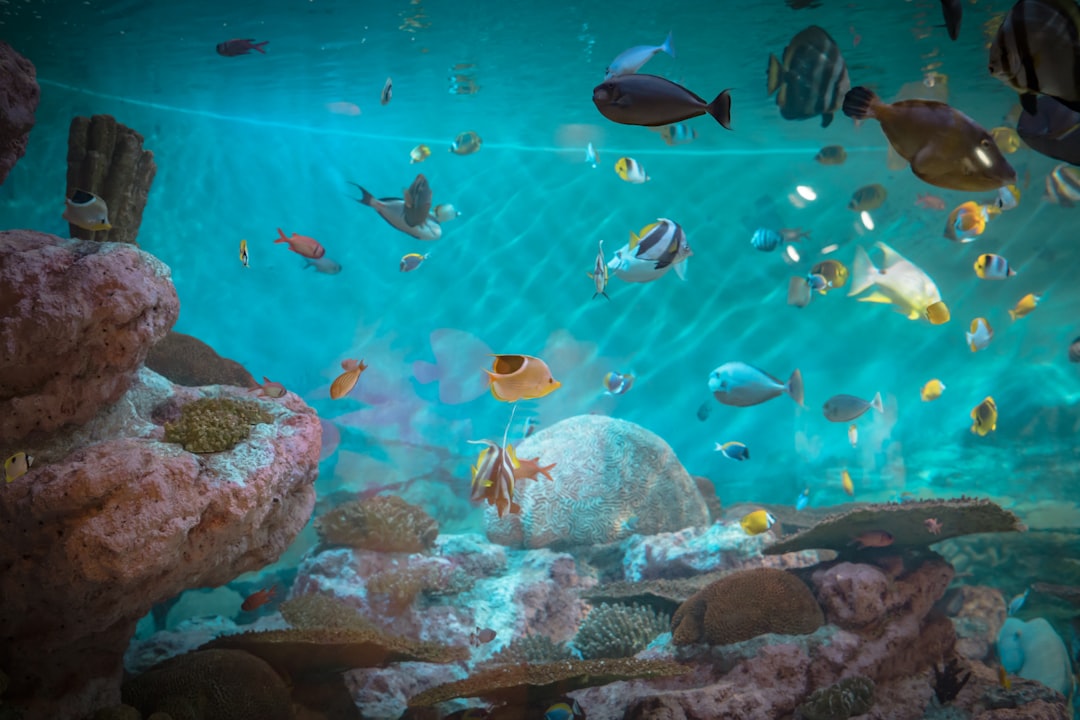
Sketching your tank before you build it is the single most underrated planning tool in aquascaping — a 30-minute pencil study catches composition mistakes that cost SGD 200 to fix once hardscape is glued. This fish tank drawing complete guide takes you from a child’s five-line doodle to a detailed pencil study with full tonal rendering, all using supplies from Art Friend and Popular at Singapore pricing. Gensou Aquascaping at 5 Everton Park uses sketch planning on every custom build we undertake, and the exercises below are the same ones we teach workshop attendees.
Why Draw Your Tank First
A sketch reveals the flaws you cannot see in your head. That perfect driftwood placement you imagined? On paper, it crowds the fish to the corners. The stone arrangement you are sure will work? It creates a vertical line that fights the horizontal tank format. Ten minutes of rough thumbnails saves hours of re-scaping later. Even the hardscape pieces you have already bought look different once drawn to scale inside the tank outline.
Supplies: Everything at Popular and Art Friend
A 2B, 4B and 6B pencil (SGD 4 total), a kneaded eraser (SGD 3), a plastic eraser (SGD 2), and a pad of A4 cartridge paper or smooth sketch paper (SGD 6 to 12). Add a paper blending stump (SGD 2) and a basic 30 cm ruler. Popular at Bras Basah stocks these for under SGD 15 total; Art Friend at Bras Basah has wider ranges if you want to upgrade to Faber-Castell or Staedtler Mars Lumograph. No tablet required; paper teaches observation better than digital.
Easy Level: Five-Line Cartoon Tank
Start with a horizontal rectangle for the tank body, a thinner rectangle on top for the lid or frame, a curved line near the base for the substrate horizon, and three to five rounded triangles for plants. Two simple teardrop fish shapes with a dot for the eye complete the scene. Ten minutes, total. This is the version kids draw first, and it is also the version used by adult scapers to brainstorm multiple layout options in 15 minutes — the compositional clarity matters more than the realism.
Intermediate: Blocked Aquascape Layout
Once the cartoon version makes sense, draw the tank to scale (1 cm on paper = 10 cm of tank) and block in hardscape as simple geometric shapes. Stones as pentagons, driftwood as curved lines, plants as cloud shapes. Apply the rule of thirds — the focal point sits one-third from a vertical edge and two-thirds up. This intermediate stage is where layout errors reveal themselves clearly enough to fix before committing glue and substrate.
Detailed: Tonal Pencil Rendering
Detail level introduces shading. Soft 2B for overall mid-tones, 4B for shadows under stones and behind driftwood, 6B for the darkest points — inside caves, beneath overhangs. Leave the paper completely untouched where highlights hit the water surface or the glass edges. Work in layers, building darkness gradually rather than committing hard marks early. Forty to 60 minutes produces a study detailed enough to share with our aquascaping workshop team for planning feedback.
Drawing Water and Glass
Glass and water together create the hardest surface effects in a tank drawing. Water has depth, so distant elements are slightly blurred — ease off pencil pressure for back-wall plants. Surface ripples are horizontal S-curves with white paper showing through. Glass highlights appear as clean vertical or angled white streaks on the front panel — leave these completely untouched from the start; do not try to erase them out later. A kneaded eraser lifts soft highlights; a plastic eraser cuts crisp reflection edges.
Drawing Fish: Simplified Anatomy
A fish in scape context is a shape accent, not a portrait. Simplify: teardrop body, triangular tail, arched dorsal fin, soft belly curve, a single dot for the eye. For schooling tetras or rasboras draw three or five bodies (odd numbers) at slightly staggered depths to imply movement. For larger focal fish like angelfish or discus, take more care with proportion — belly at 40 per cent body height, eye at one-fifth from the head end.
Plant Textures by Species
Different plants need different mark-making. Dwarf hairgrass is short vertical strokes tightly packed. Vallisneria is long ribbon curves rising from a common point. Anubias is chunky oval leaves with visible central veins. Rotala and ludwigia are tight bunches of small oval leaves on visible stems. Moss is a cloudy stippled texture, darker at the core and fading at edges. Practising these five mark patterns covers 80 per cent of common planted-tank species.
From Sketch to Real Tank
A finished sketch becomes a build plan. Mark dimensions, list hardscape pieces by size, identify which plants go where, and note fish stocking on the margin. Take the sketch shopping to narrow impulse buys. Our staff at Everton Park routinely review customer sketches and adjust for what is actually available in our tanks and hardscape ranges that week — a paper plan makes consultation ten times faster than verbal descriptions.
Common Drawing Mistakes
The three errors we see repeatedly: symmetry (always off-centre the focal point), cluttered foregrounds (leave at least one-third of the foreground empty sand), and identical plant shapes (mix leaf sizes and textures for visual rhythm). Also, resist drawing every pebble and every leaf — suggestion beats exhaustive rendering, and a busy sketch leads to a busy tank. Stop when the composition reads clearly from two metres away.
Related Reading
- How to Draw a Fish Tank Guide
- Fish Tank Coloring Page Ideas Guide
- Cartoon Fish Tank Illustration Guide
- Aquascaping Complete Guide
- Iwagumi Aquascape Guide



