
Rainbow Fish Aquarium Complete Guide: Melanotaenia Care
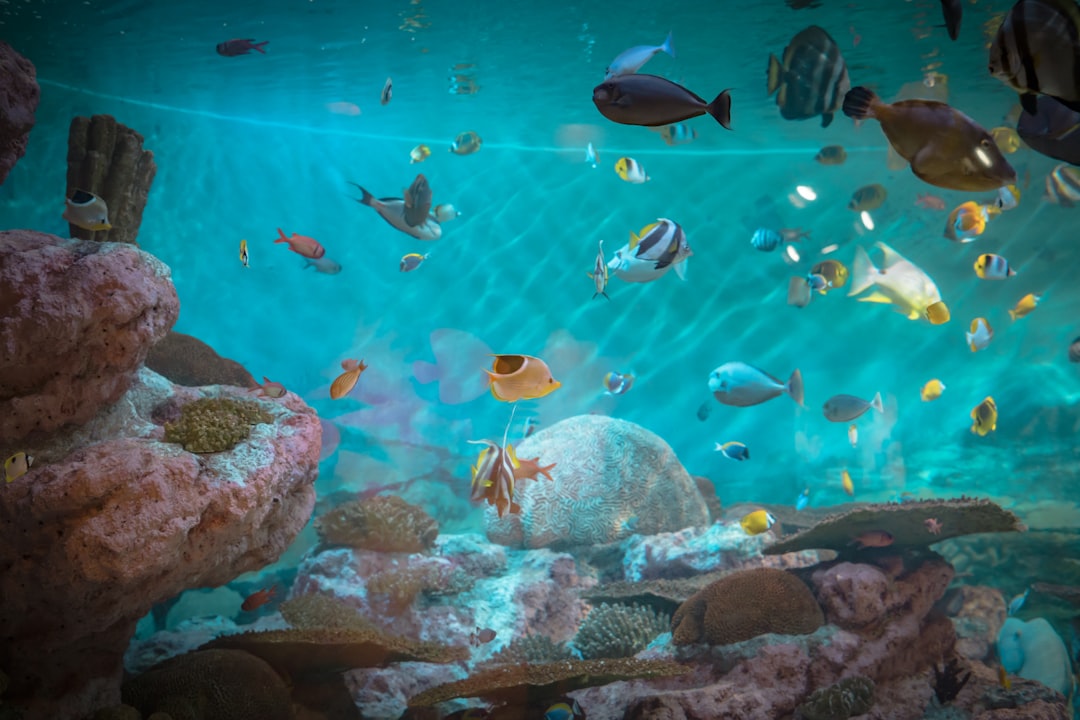
Rainbowfish take a year of good care to colour up properly — and then no other mid-size community fish holds a candle to a mature Melanotaenia school catching the morning light. This rainbow fish aquarium complete guide covers the Melanotaenia and allied species keepable in Singapore, the tank sizes they actually need, and the water tuning that brings out the iridescent colour this family is named for. Written by the team at Gensou Aquascaping, 5 Everton Park, with over 20 years of hands-on experience in larger community setups.
Which Rainbowfish Are Common in SG
Four groups dominate the Singapore market. Melanotaenia boesemani (boeseman’s rainbow) with electric-blue-to-orange split colour. Melanotaenia praecox (dwarf neon rainbow) at 6-7 cm for smaller tanks. Melanotaenia trifasciata (banded rainbow) with strong horizontal stripes. Iriatherina werneri (threadfin rainbow) covered separately as a dedicated nano species. Occasional stock of Glossolepis incisus (red rainbow) appears at specialist shops.
Tank Size by Species
Dwarf neon rainbow (M. praecox) 6-7 cm: 90 litres minimum for a school of six, 75 cm tank length. Boeseman’s, banded and red rainbows 10-12 cm: 200 litres minimum for six, 100 cm tank length ideal. Threadfin rainbowfish 4-5 cm: covered separately, 60-litre minimum. Rainbowfish are active open-water swimmers and always prefer longer tanks over taller ones — a 120x40x45 cm is better than a 90x45x60 cm of similar volume. Browse the aquarium tanks and cabinets range for rimless 100-120 cm tanks.
Schooling Numbers and Sex Ratio
Minimum six fish, eight to ten for proper schooling and colour display. Male-to-female ratio 1:2 or 1:3 — the males colour up and display constantly when competing for female attention. All-male groups can work in larger tanks but typically require more space to diffuse aggression. Males colour peak around 18-24 months of age, so patience is part of rainbowfish keeping.
Water Parameters
Temperature 23-28 degrees Celsius, pH 6.8-8.0, GH 8-15, KH 4-10. Unusually for community fish, rainbowfish prefer moderately hard, neutral-to-alkaline water — the opposite of blackwater tetras. Singapore tap water at GH 2-4 is too soft; supplement with Seachem Equilibrium or add crushed coral in the filter to lift hardness. Skip active aquasoil substrates; use inert sand or gravel. Nitrate under 25 mg/L. Pick up mineral supplements from the water care range.
Tank Setup
River-biotope aesthetic works best: light-coloured sand substrate, smooth river stones, a couple of large driftwood pieces, tall background plants for vertical movement in the current. Leave at least 50 per cent of the tank as open swimming water — rainbowfish cruise constantly and cramp in over-scaped tanks. Dragon stone and seiryu stone help raise hardness passively and fit the river aesthetic. Source substrate and hardscape from the decoration and substrate range.
Filtration and Flow
Canister filter 5-6x tank volume per hour, spray bar distributing flow across the full back wall. Rainbowfish come from flowing streams and rivers, and perceptible current in the tank tightens schooling and enhances colour. On tanks 120 cm and up, add a wavemaker or circulation pump to eliminate dead zones. Browse the filtration range for canister filters suited to 200-litre tanks.
Planting Plan
Tall background stems (Vallisneria gigantea, Vallisneria spiralis, Hygrophila corymbosa, Limnophila sessiliflora) are the signature rainbowfish look — tall green ribbons swaying in strong flow. Anubias and java fern on driftwood. Open foreground with a thin carpet of Lilaeopsis or dwarf sagittaria. Avoid delicate foreground plants that will be stirred up by the flow. Visit the live plants range for hardier plant selections.
Feeding
Varied protein-rich diet drives peak colour. Quality flake and pellets as staples (Tetra Rainbow, New Life Spectrum, Hikari Micro Pellets for dwarf rainbows), frozen bloodworm, brine shrimp, daphnia, mysis, occasional chopped earthworm. Feed twice daily, generous portions cleared in a minute. Rainbowfish colour intensifies visibly within a fortnight of adding live or frozen foods to a previously dry-food-only diet. Pick up foods from the fish food and feeding range.
Tank Mates
Compatible: larger rasboras (harlequin, scissortail), Congo tetras, peaceful cichlids (kribensis, keyhole), bristlenose pleco, larger corydoras, American flagfish. Avoid: fin-nippers (serpae, tiger barbs), small nano species (will be outcompeted at feeding), aggressive cichlids. A rainbow-centric community with 8-10 rainbowfish, a school of harlequin rasboras and a pair of bristlenose pleco fills a 200-litre tank beautifully.
Sourcing in Singapore
Iwarna, Seaview and the larger Serangoon North shops rotate rainbowfish stock regularly. Dwarf neon rainbows at SGD 4-7 each, boeseman’s at SGD 8-15 each depending on size and colour development. C328 occasionally carries juveniles at lower prices. Buy young juveniles (3-4 cm) and grow them on — they acclimate better than fully-grown imports and you watch the colour develop. Carousell has occasional adult trade-ins from keepers downsizing larger tanks.
Related Reading



