
Bristlenose Pleco Complete Care Guide: Ancistrus Species
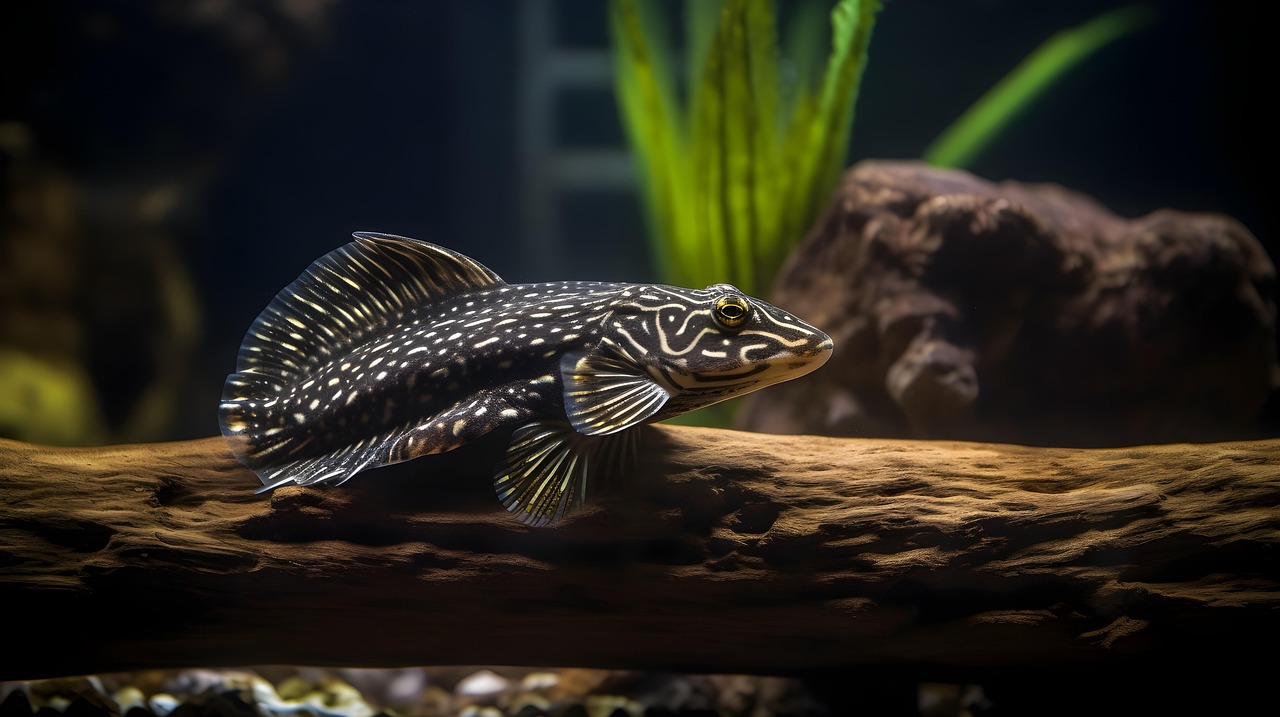
Where the common pleco grows to 45 cm and outstays its welcome in most HDB tanks, the bristlenose stays compact, cleans efficiently and breeds in captivity like clockwork. This bristlenose pleco complete care guide from Gensou Aquascaping at 5 Everton Park covers Ancistrus care, tank size, cave spawning triggers, diet mix and the price range at Clementi and Serangoon shops. If you want one pleco for a mid-sized planted tank in Singapore, this is the species to pick. PUB’s soft tap water fits their natural range.
Species Snapshot
The trade name “bristlenose” covers several Ancistrus species — most commonly A. cirrhosus in its wild brown, albino, long-fin and calico morphs. Adults reach 10-15 cm, with males sporting the namesake tentacle-like bristles across the snout that females lack. They live 8-12 years. Native to fast-flowing South American streams, they are peaceful bottom dwellers that rasp algae and scavenge leftovers.
Tank Size and Setup
A single bristlenose suits a tank from 75 litres upward; a breeding pair wants 100 litres minimum. Males defend caves aggressively so keep one male per territory unless the tank exceeds 150 cm. Substrate preference is fine sand or smooth small gravel — sharp edges scar their belly plating. Provide at least one cave per fish: commercial ceramic caves from the decoration and substrate category or coconut shell halves work.
Water Parameters
Bristlenose thrive in pH 6.5-7.5, GH 2-15, 22-28 °C. Singapore PUB tap water at GH 2-4 and slightly acidic pH matches their Amazonian soft-water origins without tweaking. Ammonia and nitrite zero, nitrate under 30 ppm. Oxygen demand is higher than average — pair with an air stone or high-flow filter from the filtration category. Surface agitation matters more than filter brand choice.
Driftwood Is Mandatory
Bristlenose require driftwood in their tank for fibre digestion, not just decoration. They rasp lignin from wood surfaces and the passing bits aid gut motility. A tank without wood produces stunted, constipated plecos. Pick Malaysian or spider wood from LFS, soak a week before use to sink, and expect mild tannin tint. Replace sections every few years as they erode.
Feeding the Omnivore
Despite the algae-eater label, bristlenose are omnivores needing roughly 70 percent plant, 30 percent protein. Rotate blanched courgette, cucumber slices, sinking algae wafers, and occasional bloodworm or shrimp treats. Sinking kelp wafers drop after lights-off since bristlenose feed at dusk. Overfeeding is the leading cause of fin clamp and bloat in juveniles — a palm-sized courgette chunk every two days feeds one adult.
Cave Spawning Behaviour
Bristlenose are among the easiest plecos to breed. A mature male (bristle-heavy, 8+ cm) stakes a narrow cave, lures a female in, and guards a clutch of 30-80 bright orange eggs for 7-10 days. Fry stay attached to the cave wall via yolk sacs another week, then emerge to graze. Trigger spawns with a 25 percent water change using cooler, softer top-up — simulates rainy season. A cycled breeding setup in Singapore can produce broods every 4-6 weeks.
Tank Mates
Community compatible — works with tetras, rasboras, rainbow fish, angelfish, keyhole cichlids, Corydoras and shrimp. Avoid pairing with common plecos or L-number territorial species that will displace them from caves. Discus tanks at 28-30 °C push their upper thermal range but tolerable. Male-male conflict is the only aggression concern; females coexist peacefully.
Juvenile vs Adult Purchases
Juveniles at 3-5 cm run SGD 6-12 at C328 Clementi and Iwarna. Albino and long-fin morphs sit SGD 12-20. Adult 10 cm fish are rare since hobbyist breeders move fry fast — expect SGD 25-40 for proven spawners. Avoid under-3 cm fry unless from a trusted breeder; they are fragile and finicky. Check the fish and livestock category for current Gensou stock.
Health Watch
Watch for ich (white spots, flashing against hardscape) after purchase — raise to 30 °C and dose salt or ich-X per label. Fin rot emerges from poor water quality; fix husbandry first. Clamped fins and hiding day-long signal stress from bright light, strong flow or bullies. A healthy bristlenose grazes midday under cover and emerges confidently at dusk.
Long-Term Care Rhythm
Weekly 25 percent water change, twice-weekly feeding, driftwood replacement every 2-3 years. Wipe caves clean if gunk builds. A well-kept bristlenose can outlive many tankmates — an eight-year-old Ancistrus is not unusual in Singapore hobbyist tanks. Invest in the cave and wood upfront and upkeep becomes trivial.
Related Reading



