What Fish Can Live in a 5 Gallon Tank Guide: Realistic Options
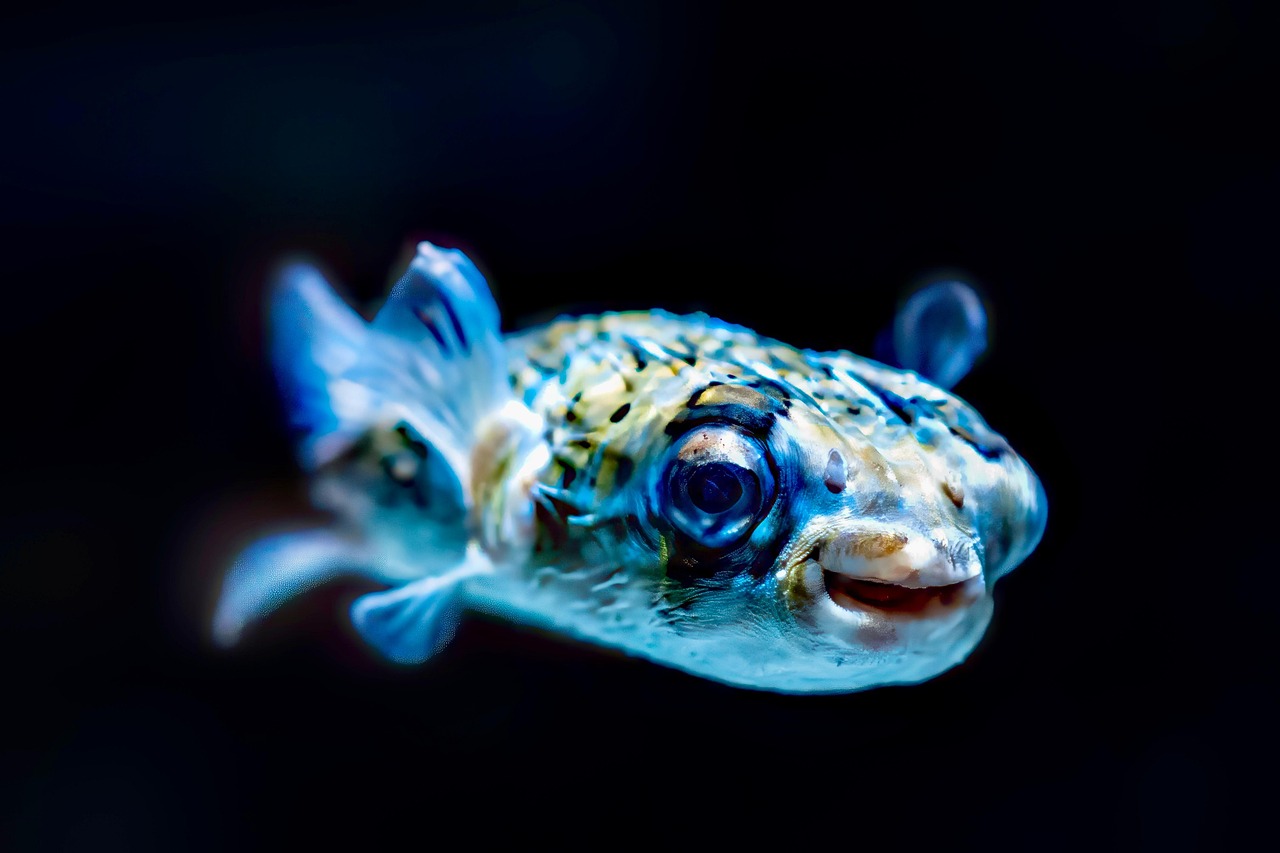
The realistic options for a 5-gallon (19 L) tank are short — a single betta, a small school of micro-rasboras, or an invertebrate-only setup with shrimp and snails. Anything larger or more active needs at least 38 L. The phrase fish for 5 gallon tank turns up constantly because pet-shop kits market this size as a beginner solution, but the truth is 19 L of water is a tight box that punishes overstocking within weeks. This FAQ from Gensou Aquascaping at 5 Everton Park lays out the small bioload setups that actually thrive at this volume in Singapore conditions.
Why 5 Gallons Is Smaller Than It Sounds
Nineteen litres of stated volume becomes 14-15 L of swimming space once substrate, hardscape and a filter take their share. Surface area sits around 30 by 25 cm in most kit tanks, which limits oxygen exchange and waste dilution. Ammonia spikes happen fast at this volume because there is simply not enough water to dilute toxins between water changes. Stock light or stock invertebrates only.
Single Betta — The Best Use
One male Betta splendens in a planted 5-gallon (19 L) with a low-flow sponge filter is the cleanest match. The fish gets the entire footprint to itself, settles into a routine within two weeks, and produces a bioload your filter can keep up with. Add Indian almond leaves, a few floating plants from floating plants and a soft substrate. Skip tankmates entirely — there is no room for a community.
Micro-Rasbora School Without a Betta
A group of 6-8 chilli rasboras (Boraras brigittae) at 1.5 cm each works as a no-betta alternative. Pearl danios, ember tetras and dwarf rasboras all push the volume too hard once they hit adult size. Stick with the smallest Boraras species and resist adding “just one more” school. PUB tap water suits them with a chloramine neutraliser.
Shrimp-Only Setup
Twenty cherry shrimp (Neocaridina davidi) or 12 crystal red shrimp (Caridina cantonensis) form a thriving display in a 5-gallon (19 L) with no fish at all. Shrimp produce minimal waste, breed visibly, and the colony cycles through the volume gracefully. Pick stock from the shrimp range at SGD 2-8 per piece depending on grade. A sponge filter prevents shrimplets from being sucked up.
Snail-Only or Snail-Heavy
An overlooked but realistic option is a planted 5-gallon (19 L) populated with a few nerite snails and Malaysian trumpets. The display becomes a slow-motion biotope where you watch grazing patterns and breeding behaviour. Add cuttlebone or a calcium block to the water care treatment routine because PUB tap water runs too soft for shells alone.
Killifish for a Single-Species Project
A trio of clown killifish (Epiplatys annulatus) at 3 cm each is an unconventional pick that works in 5 gallons (19 L). They sit at the surface, ignore the lower half, and breed slowly on floating moss. They eat live baby brine and small frozen live and dried feed almost exclusively, so plan a freezer stash before stocking.
Why Goldfish, Guppies and Tetras Fail
A common goldfish reaches 20 cm and produces enough waste to overwhelm a 5-gallon (19 L) within a fortnight. Guppies breed weekly and the tank crashes from overstocking by month three. Neon tetras need a school of at least eight in a longer footprint than 5 gallons offer. Pet-shop staff sometimes sell these as ‘starter fish’ but every one of them outgrows the volume painfully.
Filtration Choice Matters at This Volume
A small sponge filter driven by a quiet air pump from air systems outperforms hang-on-back filters in a 5-gallon (19 L). Sponge filters offer biological surface area without flow that hammers a betta’s fins, and they are cheap to maintain. Skip canister filters — they are oversized for the volume and leave dead spots near the heater.
Heater and Temperature in HDB Flats
Singapore HDB ambient sits at 28-32°C. A 5-gallon (19 L) tank rarely needs a heater unless an aircon room drops it below 24°C overnight. If you do add one, pick a 25W preset model from heating and cooling rather than an adjustable 50W — small tanks overshoot fast on oversized heaters.
Maintenance Schedule for Small Tanks
Twenty per cent water changes weekly are the minimum for any stocked 5-gallon (19 L). Test ammonia and nitrite weekly for the first two months, then nitrate fortnightly. Trim plants more often because they fill the volume quickly. The smaller the tank, the faster water chemistry shifts, so monitoring needs to be tighter, not looser.
Realistic Stocking Summary
Pick exactly one of these for a 5-gallon (19 L): one betta with shrimp accents, a school of 6-8 micro-rasboras, a shrimp colony of 15-20, a snail-only display, or a trio of clown killifish. Resist combining options. The volume cannot support two stocking categories simultaneously without the tank crashing within months.
Related Reading