
Most Colorful Aquarium Fish Guide: Top 20 Bright Species
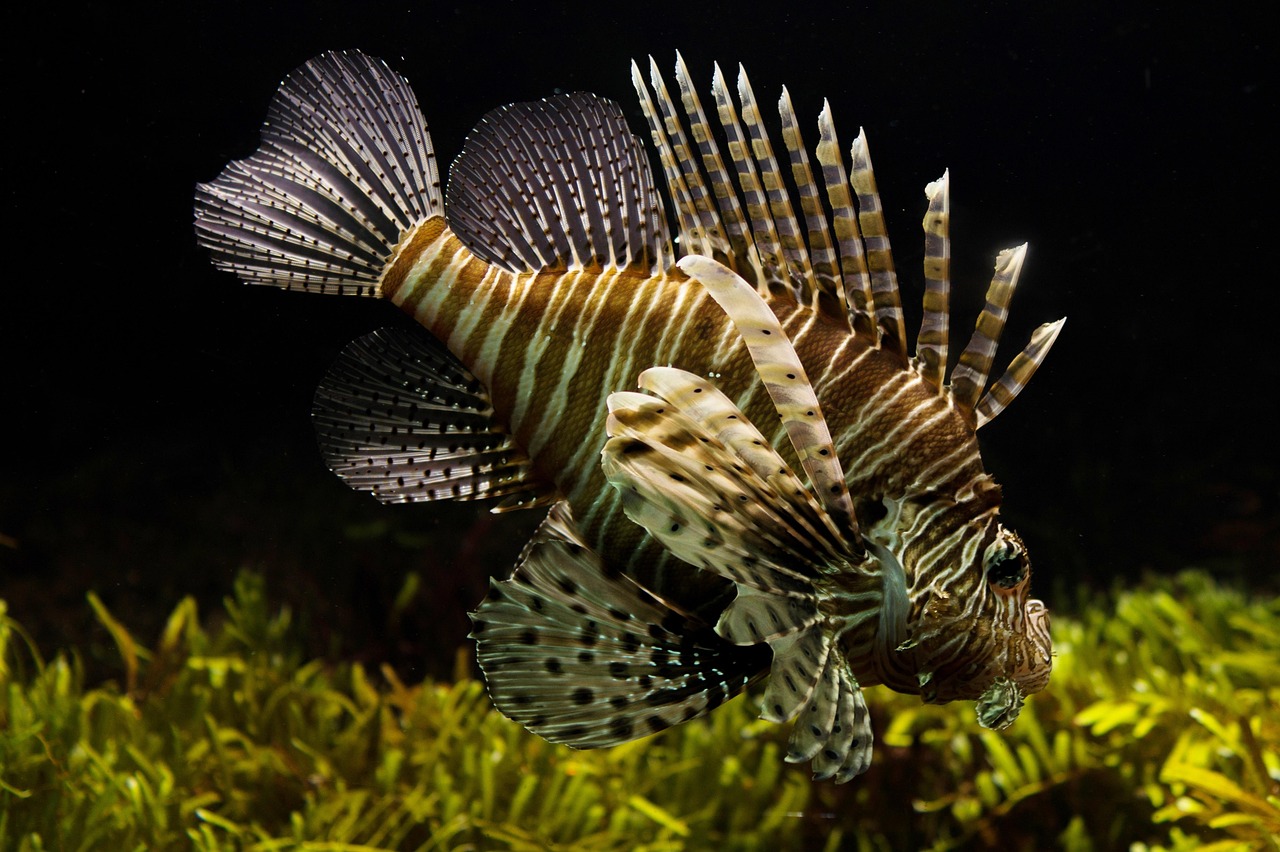
The most colourful aquarium fish span freshwater discus, killifish, peacock cichlids and saltwater clownfish, mandarin dragonets and flame angels. No single species wins outright — colour quality depends on lighting, diet and how the fish behaves under your specific conditions. The phrase most colorful aquarium fish hides a personal answer for every keeper, but the 20 species below cover the genuinely bright options most Singapore hobbyists can stock without a chiller-plus-protein-skimmer marine investment. This FAQ from Gensou Aquascaping at 5 Everton Park ranks them by colour, water type and tank size needed.
Freshwater Picks Under 5 cm
The smallest tanks still deliver vivid colour. Chilli rasboras (Boraras brigittae) glow blood red against dark substrate at 1.5 cm. Ember tetras (Hyphessobrycon amandae) burn orange in groups of ten plus. Scarlet badis (Dario dario) flash crimson and cyan bars in a 38 L planted nano. All three suit PUB tap water and 28-30°C HDB ambient.
Mid-Size Freshwater Showpieces
German blue rams (Mikrogeophagus ramirezi) layer iridescent blue, yellow and red across a 7 cm body. Apistogramma cacatuoides males carry yellow flame fins. Killifish like Aphyosemion australe and Nothobranchius rachovii deliver electric blue and orange that no photograph captures honestly. Stock these in 60-90 L tanks with soft water care.
The Discus Question
Discus (Symphysodon aequifasciatus) are the freshwater colour benchmark — turquoise, leopard, pigeon blood and snakeskin morphs reach 15 cm and dominate any 200 L tank. They demand 28-30°C, low nitrate and frequent water changes. Singapore is a global discus breeding hub, with farms in Pasir Ris and Pasir Gudang supplying premium grades from SGD 60-300 per piece.
Peacock Cichlids for Lake Malawi Tanks
The Aulonocara peacocks deliver electric blue, orange, yellow and metallic green in 12-15 cm males. A 240 L Mbuna tank with rocky hardscape and slightly hard water shows them at peak colour. Source from breeders on Carousell at SGD 25-80 per piece. Hard-water cichlid setups need crushed coral or aragonite from the decoration and substrate range to lift KH past 6.
Livebearer Strains
Endler’s livebearers (Poecilia wingei) crammed with metallic green and orange males stay at 3 cm. Show guppies layer red, blue and yellow across long flowing tails. Platies (Xiphophorus maculatus) come in solid red, sunburst and tuxedo morphs at 5 cm. All are stocked at C328 and Iwarna at SGD 1-5 per piece in the livebearers section.
Saltwater Clownfish and Dottybacks
Ocellaris and percula clownfish (Amphiprion ocellaris) are the entry-level saltwater colour pick — orange and white at 8 cm in a 75 L marine tank with chiller. Royal gramma (Gramma loreto) splits violet and yellow down a 7 cm body. Springeri dottybacks add saturated purple. All available at Reef Depot or Iwarna’s marine section at SGD 25-80 per fish.
Mandarin Dragonet — the Living Tapestry
The green mandarin (Synchiropus splendidus) carries swirling teal, orange and blue patterns no other fish matches. They eat live copepods only, so a mature 75 L reef tank with refugium is mandatory. Beginner reefkeepers should wait six months before introducing one. Reef-safe and peaceful, but will starve in clean systems lacking pod populations.
Flame Angel and Coral Beauty
Flame angelfish (Centropyge loricula) flame red with vertical black bars at 10 cm. Coral beauty angels layer purple and orange. Both need 150 L+ marine tanks with chillers because Singapore ambient runs too warm for the 24-26°C they prefer. Marine setup costs in the marine and reef category run SGD 1500-3000 for a chiller-equipped nano.
Wrasses for Reef Colour
Six-line wrasses, fairy wrasses and flasher wrasses pile blue, red, yellow and pink onto 7-12 cm bodies. Cirrhilabrus males flash courtship displays that rival flowering plants. Most are reef-safe but some species nip clams and small shrimp — research the specific wrasse before adding to a reef.
Twenty Species at a Glance
- Chilli rasbora (FW, 38 L, red)
- Ember tetra (FW, 38 L, orange)
- Scarlet badis (FW, 38 L, crimson/cyan)
- German blue ram (FW, 60 L, blue/yellow/red)
- Apistogramma cacatuoides (FW, 75 L, yellow flame)
- Killifish A. australe (FW, 38 L, electric blue/orange)
- Discus (FW, 200 L, turquoise/red)
- Peacock cichlid (FW, 240 L, blue/orange)
- Endler livebearer (FW, 38 L, green/orange)
- Show guppy (FW, 60 L, red/blue)
- Platy (FW, 60 L, red/sunburst)
- Boeseman rainbowfish (FW, 200 L, blue/yellow split)
- Ocellaris clownfish (SW, 75 L, orange/white)
- Royal gramma (SW, 75 L, violet/yellow)
- Springeri dottyback (SW, 75 L, purple)
- Mandarin dragonet (SW reef, 75 L, multicolour)
- Flame angelfish (SW, 150 L, red/black)
- Coral beauty angel (SW, 150 L, purple/orange)
- Six-line wrasse (SW reef, 100 L, multicolour)
- Fairy wrasse Cirrhilabrus (SW reef, 150 L, pink/blue)
Diet Drives Colour
Carotenoid-rich foods like astaxanthin pellets, frozen krill and spirulina flakes deepen reds and oranges. Fish on cheap filler diets fade within months regardless of genetics. Quality general fish food with documented carotenoid content beats brand-name flakes by a wide margin. Feed colour-enhancing pellets twice a week minimum.
Lighting and Substrate Affect Perception
Full-spectrum LEDs with red and blue peaks pop fish colours visually. Dark substrate like ADA Amazonia or black sand makes red fish look saturated; white sand washes them out. Background colour matters too — black backing intensifies all colours, while bare back glass dilutes them.
Related Reading



