
Peacock Cichlid Care Guide: Vibrant Colours From Lake Malawi
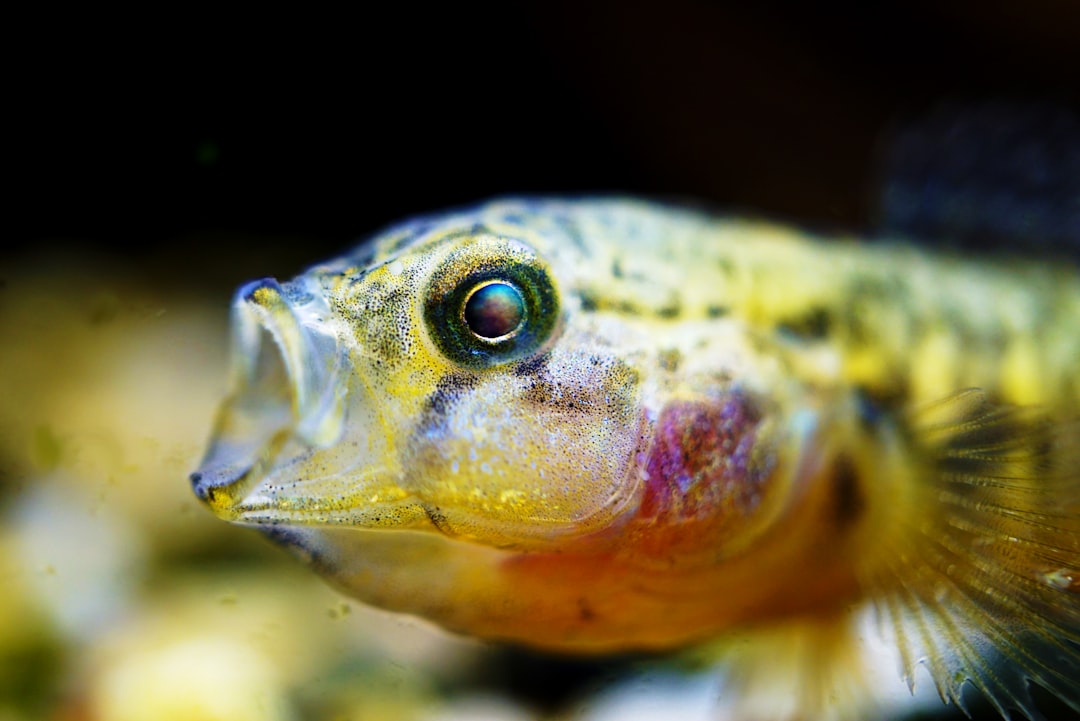
Peacock cichlids (Aulonocara spp.) are widely considered the most colourful freshwater fish in the hobby. Native to Lake Malawi in East Africa, males display electric blues, fiery reds and brilliant yellows that rival any saltwater species. If you have been looking for a comprehensive peacock cichlid care guide tailored to Singapore’s tropical conditions, Gensou Aquascaping at 5 Everton Park draws on over 20 years of experience to help you succeed. This guide sits inside our broader Tropical Fish Species Master Index reference.
Peacock Cichlid Overview
The genus Aulonocara includes more than 20 recognised species, with many colour variants bred in captivity. Popular types include the OB Peacock, Sunshine Peacock, Red Rubin and Flavescent Peacock. Males typically reach 12–15 cm while females stay slightly smaller at 10–12 cm. With proper care, peacock cichlids live for eight to ten years.
Tank Requirements
A single species group of one male to three or four females needs at least a 200-litre tank. If you plan a mixed Aulonocara community, aim for 300 litres or more to reduce aggression and territorial disputes. Peacocks prefer sandy substrate that mimics the lake floor where they sift for invertebrates. Maintain the temperature between 24 °C and 28 °C — Singapore’s ambient warmth means a heater is often unnecessary, but a thermometer is still essential. Target a pH of 7.8–8.6 and GH of 10–18 dGH to replicate Lake Malawi’s hard, alkaline water.
Filtration and Water Quality
Peacock cichlids produce a moderate bioload, so a canister filter rated for one-and-a-half times your tank volume is ideal. Strong mechanical and biological filtration keeps ammonia and nitrite at zero. Perform 25–30 per cent water changes weekly. Lake Malawi cichlids are sensitive to nitrate buildup, so keep levels below 20 ppm where possible.
Aquascaping for Peacock Cichlids
Create a rockscape using limestone, ocean rock or Texas holey rock to provide caves and sight-line breaks. Unlike mbuna cichlids, peacocks spend much of their time in the open water column, so leave plenty of swimming space in the centre of the tank. Live plants are possible with hardy species like Anubias and Java Fern attached to rocks, though many keepers opt for a minimalist rock-and-sand layout.
Diet and Feeding
In the wild, peacock cichlids are micro-predators that sift sand for insect larvae and small crustaceans. In captivity, feed a high-quality cichlid pellet as the staple, supplemented with frozen bloodworm, brine shrimp and mysis shrimp two to three times per week. Avoid mammalian protein such as beef heart, which can cause bloat — a potentially fatal condition in African cichlids. Feed small amounts twice daily.
Tank Mates
Peacocks are among the most peaceful Lake Malawi cichlids. Good tank mates include other Aulonocara species, Copadichromis, Protomelas and Synodontis catfish. Avoid aggressive mbuna like Melanochromis or Pseudotropheus, as they will bully and stress peacocks. Never mix peacock species that look similar — hybridisation produces less colourful offspring and muddies the gene pool.
Breeding Peacock Cichlids
Peacocks are maternal mouthbrooders. The male displays his brightest colours and vibrates near a chosen spawning site to attract a female. After fertilisation, the female picks up the eggs in her mouth and incubates them for 21–28 days without eating. A brooding female shows a distended jaw and refuses food. When she releases the fry, they are fully formed and can eat crushed flake or baby brine shrimp immediately. Separate brooding females into a dedicated tank to protect fry from being eaten by tank mates.
Common Health Issues
Malawi bloat is the most serious condition, caused by poor diet or stress. Symptoms include a swollen abdomen, loss of appetite and white, stringy faeces. Treat early with metronidazole and improve water quality immediately. Ich can also occur, especially after temperature fluctuations — raise the temperature to 30 °C gradually and add aquarium salt at 2 g per litre if no scaleless fish are present.
Related Reading



