Can You Use Distilled Water in a Fish Tank Guide: Why Not
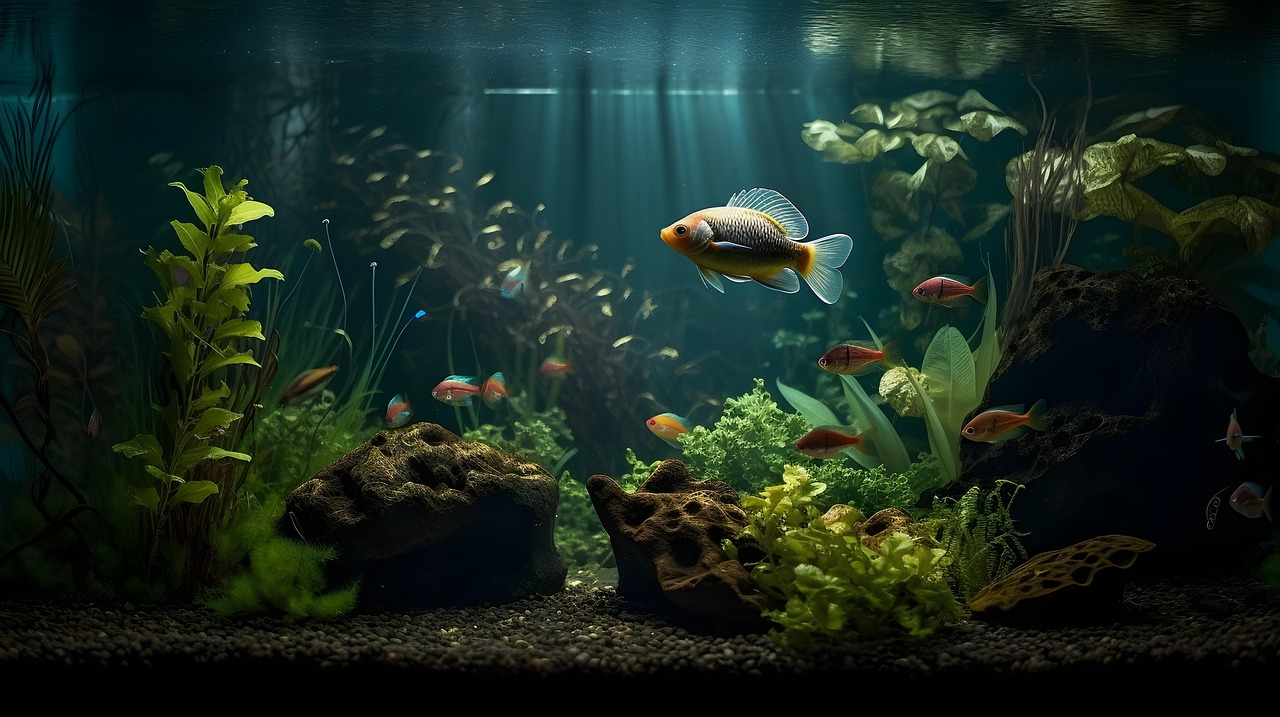
Do not use distilled water alone in a fish tank — it has zero total dissolved solids, no general hardness and no carbonate buffer, which causes osmotic shock and pH crashes. Distilled water is only useful as a mixing component blended with tap water or remineralised with mineral additives before going into the tank. The phrase distilled water fish tank attracts beginners who assume cleaner water is better water, but pure H2O is biologically wrong for almost every species. This FAQ from Gensou Aquascaping at 5 Everton Park explains why TDS-zero water fails and how to use it correctly.
What Distilled Water Actually Is
Distilled water is steam-condensed from boiled water, leaving behind minerals, salts and most contaminants. The result is H2O with TDS approaching zero, GH zero, KH zero and pH that drifts wildly because there is no carbonate buffer to hold it stable. Fish, invertebrates and plants all need trace minerals that pure distilled water lacks. Drop a fish into it directly and the osmotic gradient pulls salts out of its body within minutes.
Why Fish Need Mineral Content
Fish maintain internal salt balance through gill membranes that work against the surrounding water. In water with normal mineral content, the gradient is manageable. In TDS-zero water, salts diffuse out of the fish faster than they can replace them, causing electrolyte imbalance, fin clamping and eventual death. Soft-water species like discus and tetras still need minimal GH 2-3 and KH 1-2 — pure distilled gives them neither.
The pH Crash Problem
Carbonate hardness (KH) buffers pH against acid additions from biological waste, CO2 and tannins. Distilled water has zero KH, so any nitric acid produced by the cycling bacteria pulls pH downward fast. A tank filled with pure distilled drops from pH 7 to pH 5 within a week, killing the nitrifying bacteria and triggering an ammonia spike. The same risk applies to RO and DI water if used without remineralisation.
Plants Suffer Too
Aquatic plants pull magnesium, calcium, potassium and trace iron from the water column when not delivered through substrate. In pure distilled water, plants pale, yellow and stop growing within two weeks. Even root-feeding species from live plants show deficiency symptoms because some nutrients move into leaves only via water uptake. Remineralised water solves this without effort.
How to Use Distilled Water Correctly
Treat distilled water as a soft-water component blended with PUB tap water. A 50:50 mix drops GH and KH roughly in half, useful for soft-water species like discus or crystal red shrimp. A 70:30 distilled-to-tap ratio mimics blackwater conditions for wild bettas. Always test the final mix with a water testing kit before adding fish. Aim for GH 3-6 and KH 2-4 for most freshwater communities.
Remineralisation Salts
Salty Shrimp GH+ KH+, Seachem Equilibrium and Tropic Marin Re-Mineral Tropic raise GH and KH in distilled or RO water by predictable increments. Half a teaspoon of Salty Shrimp in 20 L of distilled water raises GH to roughly 6 and KH to 4. Stock these from the water care treatment range at SGD 18-45 per pack. They last six months for a single tank.
RO and DI Water Have the Same Problem
Reverse osmosis and deionised water carry the same TDS-zero issue as distilled. Reef keepers use RO/DI heavily but always remineralise with marine salt mix before the water enters a tank. Freshwater hobbyists should treat RO/DI exactly like distilled — useful as a soft-water input, dangerous as a stand-alone source.
When Distilled Water Helps
Distilled water is genuinely useful for topping off evaporation losses without raising TDS, mixing with marine salt for reef tanks, lowering hardness for breeding soft-water species, and rinsing media or new equipment without leaving mineral deposits. Use it for these specific tasks rather than as the bulk water source.
Singapore Tap Water Is Already Soft
PUB tap water in Singapore runs GH 2-4 and KH 1-2, which is already at the soft end of the global spectrum. Most freshwater fish thrive in dechlorinated PUB tap with no remineralisation. The cases that need distilled-tap blends are wild-caught discus, crystal shrimp, soft-water tetras and certain plant aquaria targeting CO2-rich low-KH conditions. For bettas, guppies and most community fish, treated tap water works perfectly.
Cost and Practicality
Bottled distilled water from FairPrice or Cold Storage runs SGD 1-3 per litre, which makes filling even a 38 L tank with pure distilled prohibitively expensive at SGD 38-114. RO units from Shopee start at SGD 80-200 with 50-100 GPD output and pay back within two months for keepers running soft-water tanks. The Hailea or APEC units in aquarium equipment last three to five years.
The Honest Bottom Line
Pure distilled water in a fish tank is a slow-motion disaster. Use it only as a blending input or top-off liquid, never as the main fill water. PUB tap with a chloramine neutraliser handles 90% of Singapore freshwater setups. Reach for distilled, RO or DI only when you have a specific soft-water reason, and remineralise before the water touches livestock.
Related Reading