
Crystal Red Shrimp Selective Line Guide: Mosura, Hinomaru, No Entry
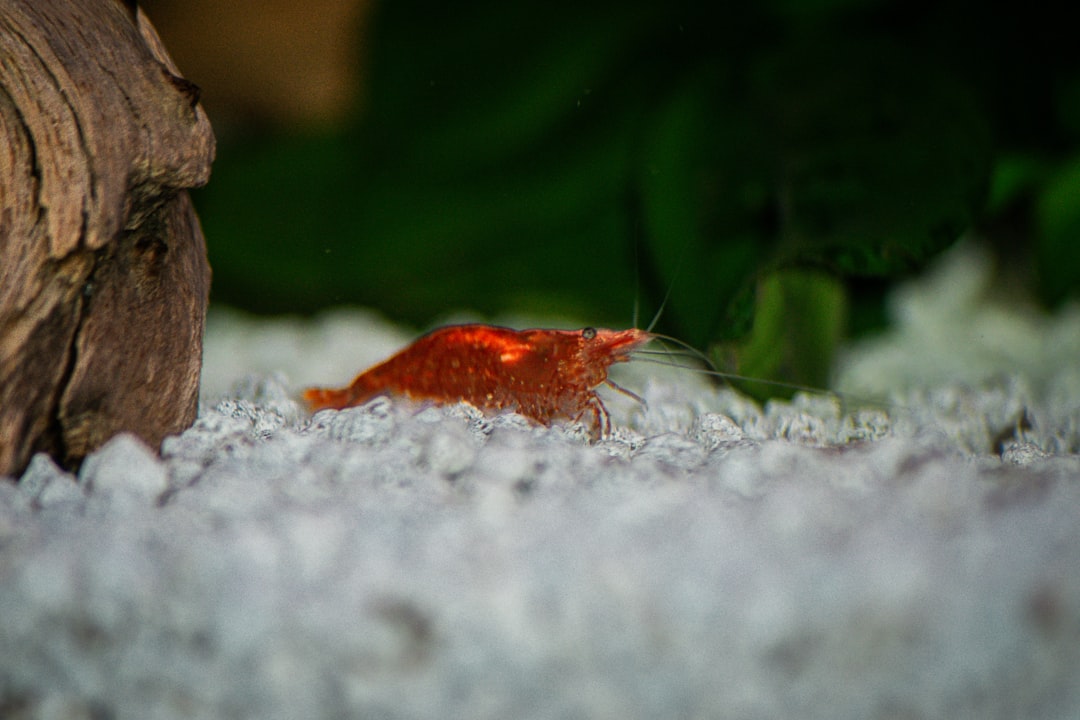
Crystal Red shrimp are not a single variety. Forty years of Japanese selective breeding since Hisayasu Suzuki first fixed the red-and-white mutation in the 1990s have produced named pattern lines that command wildly different prices and require distinct breeding strategies. This crystal red shrimp selective line guide from Gensou Aquascaping at 5 Everton Park covers the Mosura, Hinomaru, No Entry, and Crown patterns, the underlying genetics of the Suzuki-era selection, and what Singapore keepers should actually look for when buying grade S or SS animals from local breeders.
Quick Facts
- Species: Caridina cantonensis “Crystal Red” — a fixed colour mutation line
- Base grading: C, B, A, S, SS, SSS by white density and coverage
- Pattern lines: Mosura, Hinomaru, No Entry, Crown, Tiger Tooth, Flower Head
- Water: TDS 120-150, pH 5.8-6.4, GH 4-6, KH 0-1, temp 22-24 C
- Substrate: active soil (Fluval Stratum, Brightwell Shrimp Substrate, ADA Amazonia)
- Chiller: essential in Singapore — room temperatures kill CRS above 26 C
- Price range: grade A $8-15, SS $35-60, SSS Mosura $80-200 in Singapore
The Suzuki Origin Story
All modern Crystal Red shrimp descend from a handful of red-morph bee shrimp Hisayasu Suzuki selected from a batch of normal black-and-white Caridina cantonensis in the early 1990s. That founder population is the reason CRS and CBS interbreed freely — they are genetically the same species with different expressions of the colour locus. The red trait is recessive, which is why random breeding of CRS-CBS hybrids produces mixed offspring.
The pattern lines (Mosura, Hinomaru, etc.) emerged later, in the 2000s and 2010s, as Japanese and Taiwanese breeders selected for specific white-coverage arrangements within the red-and-white genotype. These are phenotype selections, not new genetic lines, which means a Mosura pair can produce non-Mosura offspring and vice versa.
Mosura: The All-White Body
Mosura-pattern CRS have an almost fully white body with a small red crown or tiara at the head, and red on legs, antennae, and rostrum. True Mosura shows zero red banding on the carapace. The pattern is named after the Japanese kaiju Mothra, referencing the angelic white appearance. Grade S Mosura sells for $35-50 in Singapore; SS and SSS with denser white and cleaner red accents reach $80-200 per animal.
Breeding stable Mosura requires line-breeding from at least two generations of confirmed Mosura parents. Outcrossing to a regular SS CRS typically produces 60-70 percent patterned offspring with only 10-20 percent true Mosura.
Hinomaru: The Red Sun
Hinomaru shrimp have a largely white body with a single solid red patch on the back, resembling the Japanese flag (hinomaru meaning “circle of the sun”). The red patch should be round, central, and sharp-edged. Irregular or streaked patches drop the grade. Hinomaru is often the easiest pattern to stabilise because the single-patch phenotype has high heritability compared to the more complex Mosura white distribution.
Local breeders in Serangoon and Clementi occasionally produce good Hinomaru at $25-45 grade S. Check the patch edges under good light — blurry edges indicate mixed heritage and will produce inconsistent offspring.
No Entry: The Banded Pattern
No Entry (sometimes called V-Band) shrimp show a single broad red band across the middle of the carapace with white on both sides, mimicking a traffic “do not enter” sign. The band should have clean straight edges and touch neither the head nor the tail. This is a mid-difficulty pattern to breed, with selection focused on band cleanliness rather than white density.
Crown, Tiger Tooth, and Flower Head
Crown pattern shrimp have red concentrated in a crown-like shape across the top of the head and first carapace segment. Tiger Tooth shows serrated red teeth-like projections entering the white from both edges. Flower Head has complex red florets across the forehead and rostrum area. These minor patterns are often stepping stones between major grades rather than stable endpoints, but well-fixed examples from experienced breeders command premium prices.
Grading Beyond Patterns
Pattern and grade interact. An SSS-grade Mosura has both the Mosura pattern and the top-tier white density and thickness. A grade-A Mosura exists — same pattern, but the white is thinner and less opaque. When buying, ask the seller for parent stock photos and check the offspring’s white quality under LED light. Thin, translucent white that shows the carapace underneath indicates weaker genetics than solid chalky white. Experienced keepers can reliably distinguish these in person but struggle from photos alone, so in-person buying at shops or breeder meets is worth the travel.
Water, Feeding, and Breeding Setup
CRS demand stable soft water. Aim for TDS 120-150 ppm (use a remineraliser like Salty Shrimp GH+ on RO water), pH 5.8-6.4, KH 0-1, GH 4-6. Active soil substrate buffers pH for 12-18 months; replace or top up before buffering capacity exhausts. Temperature matters more than most keepers realise — 22-24 C is ideal, 25 C is acceptable, anything above 26 C suppresses breeding and triggers disease. In Singapore this means a chiller is not optional; budget $400-700 for a 1/10 or 1/8 HP unit.
Feed sparingly: Bacter AE or similar biofilm starter, Mosura or Shrimp King pellets 2-3 times weekly, blanched vegetables monthly. Overfeeding is the single biggest killer in CRS tanks.
Buying in Singapore
Local CRS prices have stabilised in 2025-2026 as regional breeders in JB and KL supply the market. Grade A runs $8-15, SS around $25-40, SSS Mosura $80-200. Avoid online imports from Taiwan unless through an established local shop — direct shipping stress kills 30-50 percent of animals. Shrimp-focused shops around Serangoon North Avenue 1 and several Thomson breeders hold working colonies and will often trade cull-grade animals for beginners looking to learn the crystal red shrimp selective line guide basics before investing in top grades.
Related Reading
Crystal Red Shrimp Grading Guide
Crystal Black Shrimp Care Guide
Caridina Cantonensis Crystal Shrimp
Taiwan Bee Shrimp Care Guide
Caridina Selective Breeding Culling



