
Red Scooter Blenny Pod Feeding Protocol Guide: Refugium Setup
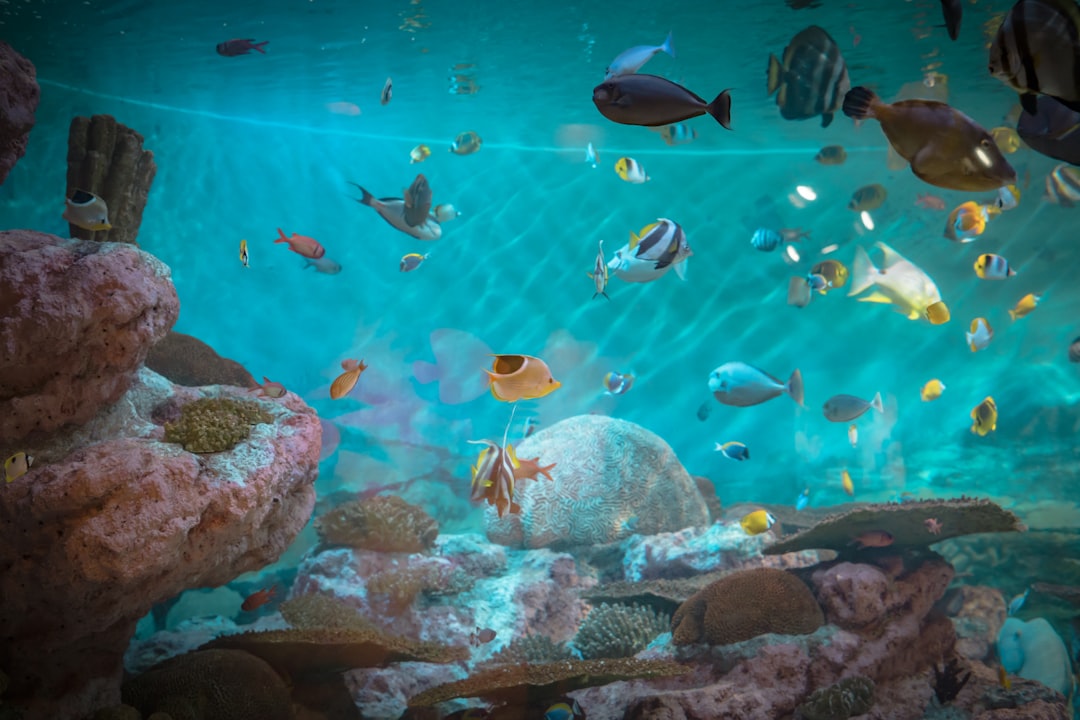
The red scooter blenny is technically not a blenny at all — it is a dragonet (Synchiropus stellatus) closely related to the mandarin and shares the same Achilles heel: a near-exclusive dependence on live copepods and amphipods. Red scooter blenny feeding is the single biggest reason these beautiful fish die in their first 90 days, and the fix is not a pellet but a properly stocked refugium. This guide from Gensou Aquascaping at 5 Everton Park covers the pod-feeding protocol that turns a doomed import into a five-year resident.
Why Pod Dependence Matters
Wild scooter blennies pick microscopic crustaceans from rockwork and sand all day, taking up to 200 individual prey items in a single feeding session. Their tiny mouth and slow feeding rhythm make them poor competitors against fast-moving tank mates. Without a self-sustaining pod population, captive specimens slowly starve over 8-16 weeks regardless of how clean the system looks. A scooter that arrives chubby may already be on a downward trajectory.
Refugium Sizing
The minimum refugium size to support one scooter blenny long-term is 30 litres of dedicated chaeto-filled space connected to a 200-litre display. Smaller refugia produce too few pods to keep up with consumption. A 60-litre refugium attached to a 300-litre system is the safer ratio. The refugium must run a reverse photoperiod (lights on at night) to keep pods reproducing through the dark hours.
Pod Seeding and Maintenance
Seed the refugium with at least three bottles of mixed copepods (Tigriopus, Tisbe and amphipod blends) before adding the scooter. Reseed monthly for the first six months and quarterly thereafter. Live phyto culture feeds the pods and accelerates reproduction. Pod cultures, phyto and refugium lighting live in the aquarium equipment range.
Pre-Purchase Conditioning
Run the refugium for at least 60 days before the scooter arrives. The refugium should be visibly thick with pods crawling on glass at night. Holding the fish at the shop in their quarantine tank for an extra week while pods build is far better than introducing a hungry fish to an under-seeded system. Iwarna and Aquamarin will hold quality specimens for paying customers.
Frozen Training Attempts
Some red scooters can be trained to frozen cyclops, baby brine shrimp and finely chopped mysis but the success rate is below 30 per cent and never replaces pod consumption entirely. Train by introducing frozen food during the established feeding routine while the tank lights are on and other fish are not competing. Even successfully trained fish still graze pods at a rate of 100+ per day.
Reef Compatibility
Fully reef-safe. They ignore corals, clams, ornamental shrimp and tube worms. Their pod-grazing actually benefits the reef ecosystem by preventing overpopulation of pyramidellid snails on Tridacna clams. They are the most reef-safe option in their genus.
Tank Mate Selection
Avoid any pod-eating competitors: six line wrasses, melanurus wrasses, mandarins and other dragonets. A scooter blenny in a tank with a pod-eating wrasse always loses the food race. Compatible tank mates include clownfish, peaceful tangs, royal grammas, gobies and tail spot blennies. Larger predators like hawkfish or lionfish view the slow-moving scooter as prey.
Water Parameters
Standard reef numbers: 25-26°C, salinity 1.025, pH 8.1-8.4, alkalinity 8-9 dKH, nitrate 2-10 ppm. They are sensitive to copper and most medications, so quarantine in observation only. RODI is mandatory; salt mix and refractometers sit in the marine saltwater range.
Behaviour and Identification
Red scooters carry a mottled red, white and black pattern with male specimens showing an enlarged dorsal fin used in courtship display. They scoot along rockwork and sand in characteristic short hops. They are slow swimmers and bury into sand briefly when startled but not for sleeping like wrasses do.
Singapore Sourcing
Iwarna and Aquamarin import scooter blennies regularly from Cebu and Bali at SGD 35-65. Always inspect for body fullness — a thin abdomen behind the gills indicates an already-starving fish that will likely not recover. Holding for a week in shop quarantine to confirm feeding is worth the wait. Never buy a scooter for a system under three months old or without an established refugium.
Realistic Long Term Prospects
With a properly sized refugium and protected feeding, scooter blennies live 4-7 years in captivity. They become tame and recognise their owner, scooting forward at lights-on. Treat them as a commitment that requires permanent refugium investment, not a casual nano addition.
Related Reading



