
Court Jester Goby Care Guide: Koumansetta Rainfordi Pod Eater
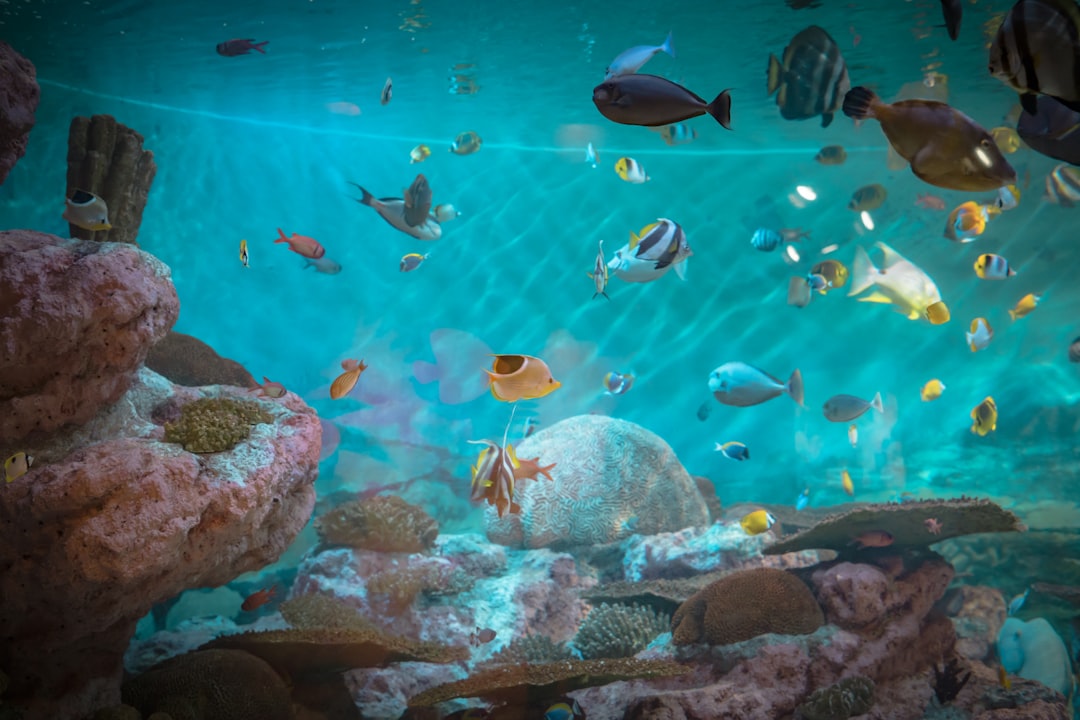
The court jester goby (Koumansetta rainfordi) earns its name from the orange and electric blue horizontal stripes that flicker like medieval motley as the fish picks pods across rockwork. At 6 cm fully grown, peaceful, reef-safe and hard-working at algae control, it is one of the more useful nano-reef additions — provided your tank can sustain its pod consumption. This guide from Gensou Aquascaping at 5 Everton Park covers feeding, refugium expectations and the quiet difficulty of keeping court jesters thriving.
Identification
Koumansetta rainfordi shows a slender white-yellow body bisected by four to five horizontal orange-red stripes, each lined in electric blue. The combination is unmistakable. Adults max at 6-7 cm with sexual dimorphism subtle and mostly indistinguishable in shop tanks.
Tank Size and Aquascape
Minimum 90 litres for one specimen, 150 litres for a pair acquired together. They are not jumpers like firefish but a covered tank still prevents accidental losses. The aquascape should feature open sand area for grazing, plenty of rockwork crevices for shelter, and ideally some film algae growth on the rocks.
Diet and Pod Dependence
Court jesters are micro-grazers that pick copepods, amphipods, microalgae and detritus from rockwork. They are slightly more flexible than scooter blennies — many specimens learn to accept frozen mysis, cyclops and high-quality pellet within two to three weeks of introduction. A pod-rich refugium is still essential for long-term health, especially in tanks under six months old.
Refugium Setup
A 20-litre or larger chaeto refugium attached to the system supplies a steady pod trickle that maintains body weight. Reverse photoperiod refugium lighting keeps pods reproducing during the dark hours. Seed monthly for the first three months with mixed copepod cultures. Refugium pumps, lighting and chaeto starter live in the aquarium equipment range.
Reef Compatibility
Fully reef-safe. They do not nip corals, clams or ornamental shrimp. They pick at film algae, diatoms and microcrustaceans in the rockwork, providing a steady cleaning service. They are useful for reducing pyramidellid snail populations on Tridacna clams and sometimes pick at small bristleworms.
Tank Mate Compatibility
Peaceful with most reef fish. They tolerate clownfish, small wrasses, royal grammas, dwarf angels and other peaceful gobies. Avoid pairing with aggressive pod-eating wrasses (six line, melanurus) which outcompete them at the food level. Two court jesters work in 150-litre or larger tanks; same-sex pairs sometimes squabble but rarely fatally.
Water Parameters
Standard reef numbers: 25-26°C, salinity 1.025, pH 8.1-8.4, alkalinity 8-9 dKH, nitrate 2-10 ppm. They are sensitive to ammonia — adding them to a tank under three months old is a gamble. RODI top-off mandatory; PUB tap chloramine causes rapid decline. Salt mix, refractometer and test kits sit in the marine saltwater range.
Quarantine and Acclimation
A 21-day quarantine in a small tank with established rockwork (transferred from main display) keeps pod supply available during isolation. They tolerate copper poorly compared to tangs — drop the dose to 1.5 ppm or use tank-transfer method instead. Drip acclimate over 90 minutes from bag to QT.
Behaviour
Court jesters are bold but methodical. They cruise across rockwork in slow, deliberate movements, pausing to pick at every surface. Unlike skittish dartfish, they accept a busy household viewing area without retreating. They develop hand-tame behaviour after 4-6 weeks and often rise to the front glass at feeding time.
Singapore Sourcing
Court jesters are uncommon imports — Iwarna and Aquamarin list them sporadically at SGD 50-90 per fish from Cebu sources. They are sometimes sold under the name “Rainford’s goby” (the older taxonomic name). Always confirm body fullness and feeding response before purchase; thin specimens with sunken bellies rarely recover even with refugium support.
Long Term Care
Healthy court jesters live 4-6 years in captivity. They are excellent ambassadors for nano reefs because of their bold personality, reef-safe behaviour and visible activity throughout the day. A well-stocked refugium is the single biggest predictor of long-term success.
Related Reading



