
Fish Velvet Disease FAQ: Gold Dust Identification
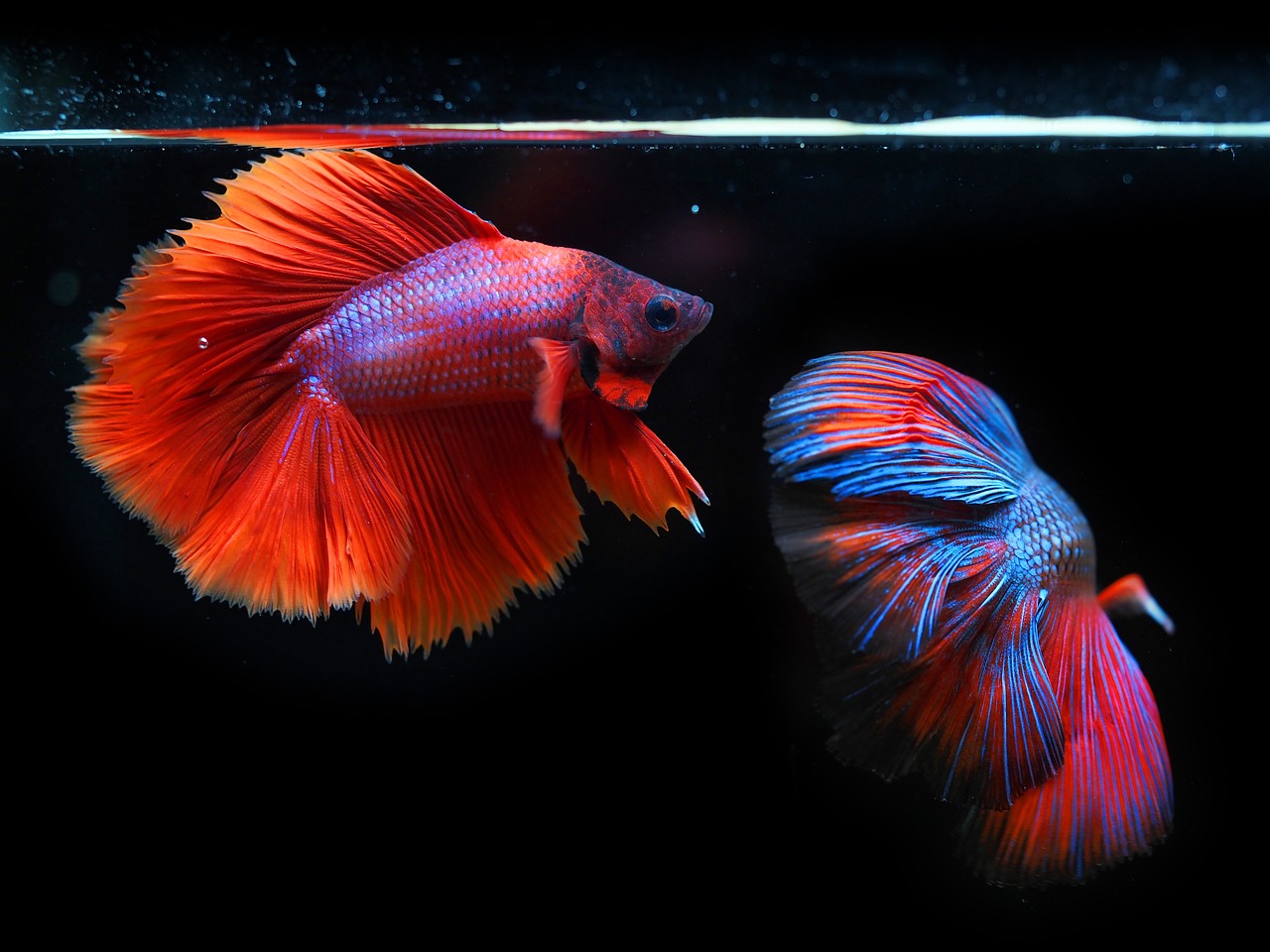
Velvet is the dinoflagellate disease nicknamed gold dust because it produces a fine yellow shimmer on the fish skin only visible under a strong torch beam. The velvet disease faq below answers the questions Singapore aquarists most often ask, including how to spot the early dust before clinical symptoms appear and why blackout treatment is essential. This velvet disease faq reflects two decades of cases at Gensou Aquascaping in 5 Everton Park. Each question stands alone; this guide answers the ten questions Singapore aquarists ask most about velvet.
What Is Velvet Disease?
Velvet is caused by parasitic dinoflagellates — Piscinoodinium pillulare in freshwater and Amyloodinium ocellatum in marine. These photosynthetic single-celled organisms attach to fish skin and gills, drawing nutrients while photosynthesising via cellular chloroplasts. The result is a fine gold or rust-coloured dusting that catches light at certain angles. Velvet kills primarily through gill damage rather than visible body lesions.
How Do I Identify Velvet?
Shine a strong torch beam onto the fish flank from above at 45 degrees. Velvet shows as fine gold or rust shimmer that looks almost like the fish has been dusted with cinnamon. Without the torch, early velvet is nearly invisible. Look also for clamped fins, rapid gill movement, surface gasping, and rubbing against décor — gill irritation is the dominant symptom.
How Is Velvet Different From Ich?
Ich shows as discrete white salt-grain spots; velvet shows as fine gold dusting. Ich primarily attacks skin and fins; velvet attacks gills hardest. Ich responds to standard heat-and-salt protocols; velvet requires copper. Many keepers misdiagnose velvet as ich and lose fish to gill damage while waiting for non-responsive treatments to work. The torch test is the critical step.
What Is the Treatment Protocol?
The standard protocol is Seachem Cupramine copper at the labelled dose, held for fourteen days, combined with five days of complete tank blackout. Cupramine is one of the more shrimp-tolerant copper formulations but still nukes invertebrates — never use copper in tanks containing shrimp, snails or sensitive plants. Seachem ParaGuard is a softer alternative for shrimp-bearing tanks though efficacy against velvet is reduced.
Why Blackout the Tank?
The dinoflagellates are photosynthetic — they generate energy from light. Five days of complete darkness deprives them of energy reserves and weakens free-swimming theront stages. Cover the tank with thick towels, switch off all lights including ambient, and feed sparingly. Combined with copper dosing, the blackout shortens treatment duration significantly.
Is Copper Safe for Scaleless Fish?
Scaleless fish — corydoras, kuhli loaches, clown loaches, eels — tolerate copper poorly. Halve the dose for these species or move them to a copper-free QT and treat the main tank without them. Watch for excessive mucus shedding as a sign of copper stress. Copper at full dose can kill thinly-scaled species before it kills the parasites.
What Causes Velvet Outbreaks?
Almost all freshwater velvet cases trace back to new fish introduced without quarantine, particularly from chain shops where stock turnover is rapid. Marine velvet comes from infected reef stock or live rock. Stress from poor water quality, transport, or aggression accelerates the parasite cycle. Three-week quarantine catches almost all carriers before they enter the display.
Which Species Are Most Susceptible?
Bettas, gouramis, killifish and small tetras get hit hardest in freshwater. Marine clownfish, mandarins and tangs are highly susceptible to Amyloodinium. Goldfish and large cichlids are more resistant but still carry the parasite without showing strong symptoms. Newly imported wild fish are often heavily loaded.
How Long Does Treatment Last?
Fourteen days minimum. Free-swimming theronts emerge over a multi-day window from cysts dropped onto substrate, so stopping early lets a fresh wave hatch. Maintain copper levels throughout — test daily with a copper test kit because Cupramine binds to organic matter and concentrations drop steadily. Top up to maintain therapeutic levels.
How Do I Prevent Velvet?
Three-week quarantine for every new fish, prophylactic copper or formalin treatment in QT for high-risk imports, and stable water quality in the display. The water care range stocks both Cupramine and ParaGuard. Inspect every new fish under a torch before adding to the display — the gold dust shows up to a careful eye.
Related Reading



