
Why Is My Fish Not Eating: 8 Causes Ranked
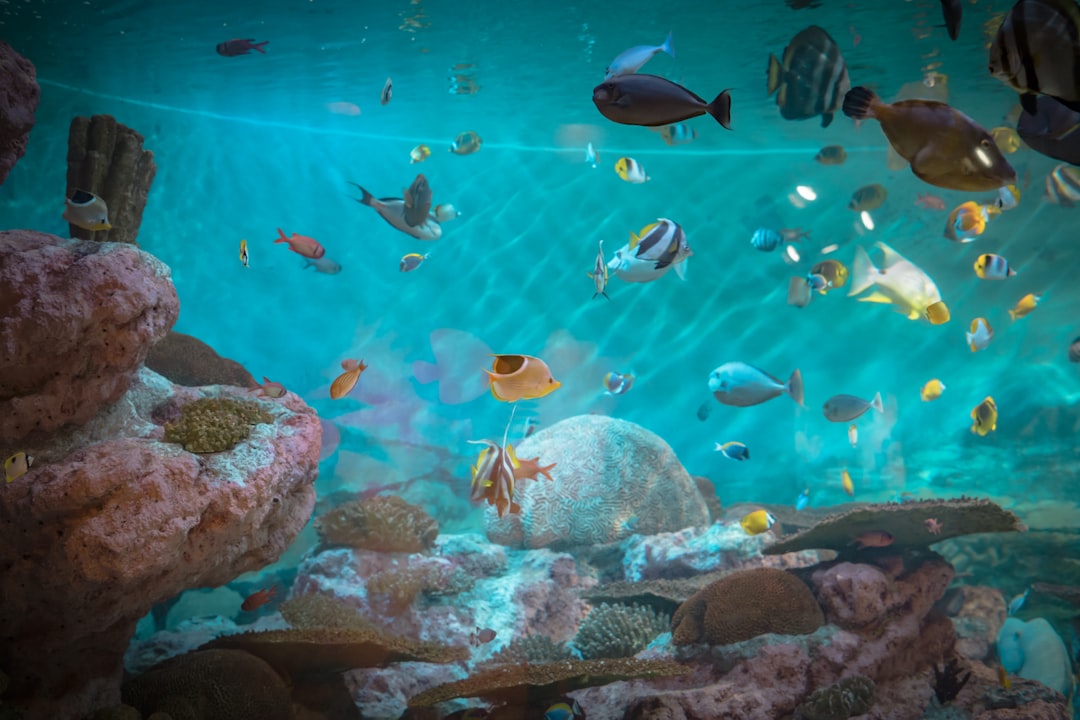
A fish that refuses food for more than two days is signalling a stress, parameter or illness problem that almost always pre-dates the appetite drop by several days. Why is my fish not eating — the most common Singapore answer is acute stress from a recent change (new tank mate, water change, equipment swap) followed by elevated ammonia or temperature. This guide from Gensou Aquascaping at 5 Everton Park walks through eight diagnostic branches ranked by frequency so you can resolve the cause within 24-48 hours before condition declines.
Cause 1: Recent Stress or Relocation
New arrivals routinely refuse food for two to seven days while adapting to lighting, flow and tank-mate dynamics. This is normal and resolves once the fish establishes territory. Provide hiding spots, dim the lights for the first 48 hours, and offer small portions of high-attractant food (live brine shrimp, bloodworm) twice daily. If the fish still refuses after seven days, escalate to parameter testing and illness checks.
Cause 2: Water Parameters Out of Range
Elevated ammonia, nitrite, or shock-level pH swings suppress appetite quickly. Test with API or Salifert kits — ammonia and nitrite must read zero, nitrate below 40 ppm. Singapore PUB tap water (pH 7.2-7.6) suits most community fish, but tanks loaded with aquasoil and CO2 can drift to pH 5.8-6.2, which discus and angelfish handle but cardinals find borderline. Restore parameters with a 30 per cent water change using water care conditioner.
Cause 3: Temperature Outside Tropical Range
Fish are ectothermic — metabolism and digestion depend on water temperature. Below 22°C, tropical species become lethargic and stop eating. Above 30°C, metabolism speeds up but oxygen demand increases and stress overrides hunger. Confirm with a digital thermometer, target 25-28°C for most community species, and add a clip fan or chiller in Singapore’s hot months when ambient pushes tanks past 30°C.
Cause 4: Wrong Food for Species
Not every fish eats every food. Surface feeders (hatchetfish, gouramis) ignore sinking pellets. Bottom dwellers (corydoras, plecos) cannot reach floating flakes. Algae grazers (otocinclus, plecos) reject high-protein meat-based foods. Match food type to mouth orientation and natural diet. The aquarium feeding range stocks species-specific options. Offering one food type to a varied stocking guarantees half the fish eat poorly.
Cause 5: Internal Parasites
Internal parasites (Camallanus, hexamita, capillaria) cause weight loss despite normal feeding initially, then complete refusal. Visible signs: white stringy faeces, sunken belly, hollow flank. Treat with levamisole, fenbendazole, or metronidazole-based medications dosed in food (Seachem Focus + Metroplex). Quarantine new arrivals for 30 days minimum to prevent introduction. Pre-soaked medicated food often re-triggers appetite within days.
Cause 6: Constipation in Bettas and Goldfish
Heavy-fed bettas, goldfish and angelfish frequently develop constipation, which suppresses appetite. Fish appears bloated, swims oddly, and refuses food for days. Fast for two to three days, then offer one blanched, deshelled pea (squashed flat) once. The fibre triggers a clearance bowel movement. Resume normal feeding at half rations after two more days. Repeat fasting weekly to prevent recurrence.
Cause 7: Bullying by Tank Mates
Subordinate fish in a stressed hierarchy avoid the feeding zone and starve quietly. Watch a feed cycle carefully — does the fish approach food and retreat as another fish charges? Common offenders: dominant gouramis, established angelfish, larger tetras outcompeting smaller ones. Solve by adding floating cover, repositioning hardscape from the hardscape range to break sight lines, or rehoming the aggressor.
Cause 8: Disease Onset (Bacterial, Fungal, Velvet)
Fish stop eating two to four days before visible disease symptoms appear. Watch for clamped fins, scratching against decor, white spots, frayed fins, gold dust under torchlight, or red streaks. Confirm the specific disease before medicating; broad-spectrum antibiotics damage biological filtration if used unnecessarily. Quarantine the affected fish if possible. Singapore shops stock API General Cure, Seachem ParaGuard and Sera Costapur for common diagnoses.
Cause 9: Old Age or Sex-Specific Behaviour
Aged fish (close to species lifespan) eat less. Spawning females and brooding mouthbrooders fast intentionally during the spawn cycle. Some species (most notably mouthbrooding cichlids) starve while holding fry for two to three weeks. Identify the cause by species and stage: a gravid female holding eggs is normal; an aged 8-year-old goldfish slowing down is also normal. Both require supportive care, not aggressive treatment.
When to Escalate
Escalate to a vet or specialist if a fish has refused food for over seven days despite stable parameters, or if the fish shows visible disease signs, weight loss exceeding 20 per cent of body mass, or unusual swimming patterns. Singapore has limited fish-specific veterinary care, but Mount Pleasant veterinary group and a few exotic vets handle aquatic cases. Document the timeline carefully — when symptoms started, what changed, and what you have already tried.
Related Reading



