
Why Is My Fish Gasping at the Surface: Oxygen Diagnosis
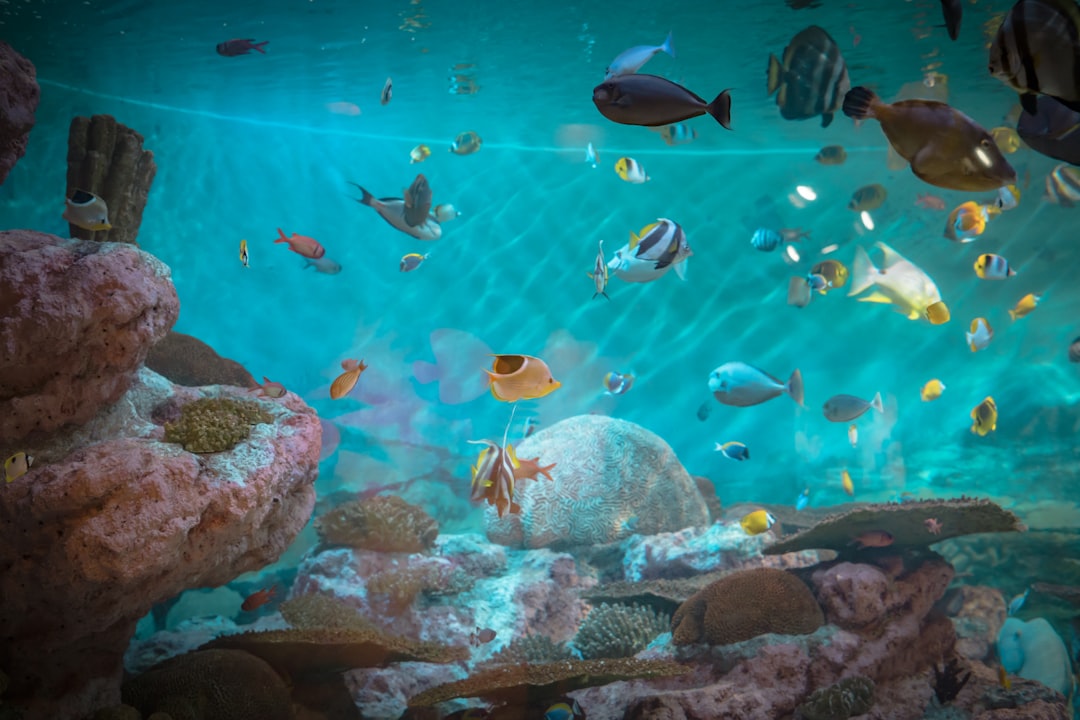
Visible gill flaring at the surface is the single most urgent symptom in fishkeeping because it almost always means the fish cannot extract enough oxygen from the water. Why is my fish gasping at the surface — the most common Singapore answer is dissolved oxygen depletion from 30°C+ tank temperatures combined with PUB tap chloramine that has not been fully neutralised. This guide from Gensou Aquascaping at 5 Everton Park walks through eight diagnostic branches so you can identify which oxygen problem you face and respond before mortality begins.
Cause 1: High Temperature Reducing Oxygen Solubility
Water at 30°C holds 7.5 mg/L oxygen at saturation; at 32°C it drops to 7.0 mg/L; at 34°C it drops to 6.5 mg/L. Singapore HDB tanks without active cooling routinely hit these temperatures during March-May and September-October hot months. Confirm with a digital thermometer. Drop temperature by adding a clip fan from the aquarium equipment range — evaporative cooling drops water temperature by 2-3°C within 30 minutes.
Cause 2: Ammonia or Nitrite Damaging Gills
Ammonia burns and inflames gill tissue, while nitrite blocks haemoglobin oxygen transport. Both mimic low-oxygen symptoms at the surface even when DO is fine. Test with API ammonia and nitrite kits. Anything above 0.25 ppm of either requires immediate action: dose Seachem Prime at 5 ml per 200 litres to detoxify, perform a 50 per cent water change, and identify the cycle disruption (filter clean, antibiotic, dead fish, overfeeding).
Cause 3: Surface Biofilm Blocking Gas Exchange
A protein film on the water surface (rainbow sheen visible from above) blocks oxygen entry into the water. Fish gather at the surface attempting to access the slim oxygenated layer. Resolve by adding a surface skimmer attachment, increasing flow toward the surface, or skimming the film with a paper towel. The water care range stocks anti-biofilm treatments. Long-term: reduce overfeeding and check that filter outflow agitates the surface.
Cause 4: Chloramine in Unconditioned Tap Water
Singapore PUB treats with chloramine (chlorine + ammonia) which damages gill tissue if water-change top-off is added without conditioner. Even small amounts cause gasping that persists for hours. Always dose dechlorinator (Seachem Prime, Tetra AquaSafe, API Tap Water Conditioner) before or simultaneously with the new water. Bucket-condition water for 30 minutes before adding to the tank rather than dosing in-tank during the change.
Cause 5: Gill Parasites or Flukes
Gill flukes (Dactylogyrus, Gyrodactylus) and gill parasites attach to gill filaments and reduce oxygen uptake. Fish gasp at the surface, scratch against decor, and show inflamed red gills under inspection. Treat with praziquantel-based medications (PraziPro, Seachem Paraguard) for two consecutive doses one week apart. Quarantine tank treatment is preferred to avoid medicating display tank inhabitants.
Cause 6: Carbon Dioxide Build-up
Planted tanks running CO2 injection without surface agitation can accumulate CO2 to 80+ ppm, which lowers blood pH and impairs fish oxygen uptake. Symptoms appear in the late afternoon as photosynthesis slows. Confirm with a drop checker (yellow indicates excess). Increase surface agitation, reduce CO2 bubble rate by 20-30 per cent, and ensure the lights and CO2 cycle off together. Drop checker should read green throughout the photoperiod.
Cause 7: Anaerobic Substrate Pockets
Sand substrate over 5 cm depth without burrowing fauna develops anaerobic pockets that release hydrogen sulphide when disturbed. Black streaks under glass and rotten-egg smell during gravel vacuuming confirm. Vacuum the substrate gradually over several weeks, add Malaysian trumpet snails to turn the sand, and avoid disturbing all areas in a single session. The toxic release is rapid and immediately produces gasping.
Cause 8: Filter Stall or Air Pump Failure
Loss of filter or air pump output drops oxygen exchange within hours. Fish gather at the surface within four to six hours of equipment failure. Check the filter outflow visually for vigorous flow, listen for unusual pump noise, and confirm air pump output if used. Restart the equipment and add a battery-powered air pump (SGD 30-60) to your shelf as a backup. Singapore power outages from thunderstorms are real risk.
Cause 9: Velvet or Flukes Affecting Multiple Fish
If multiple fish gasp simultaneously and the gills look gold-dusted (velvet, Piscinoodinium) or have visible parasites under torchlight, treat the entire tank with copper-based meds for velvet or praziquantel for flukes. Velvet kills within days untreated. Confirm by shining a torch in a dark room — velvet shows as gold dust on the body and gills. Quarantine all new arrivals to prevent reintroduction.
Quick Response Protocol
If fish are gasping right now: turn off CO2 if running, add an air stone immediately, run a clip fan if temperature exceeds 28°C, perform a 30 per cent water change with conditioned water, dose Seachem Prime, and test ammonia and nitrite within the hour. If no improvement in 60 minutes, escalate with a 50 per cent change and full parameter test including pH and KH. Persistent gasping over 24 hours requires medication-based diagnosis.
Related Reading



