
Why Are My Fish Jumping: Lid Stocking and Stress
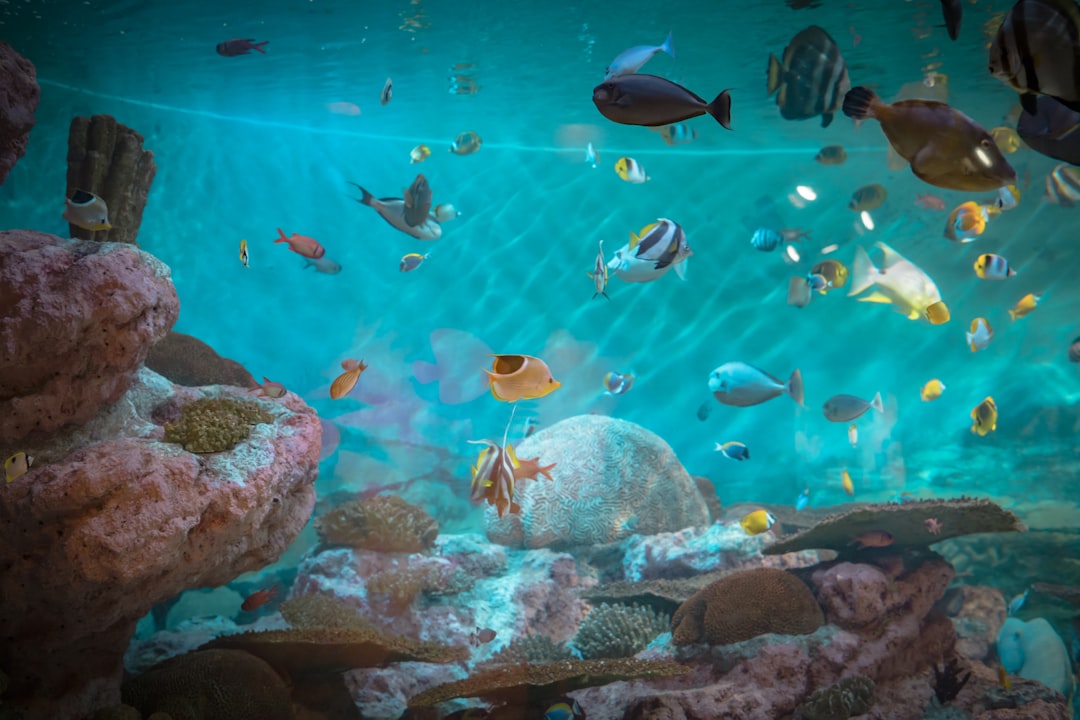
Fish jumping out of an open-top tank is the single most preventable cause of mortality in Singapore aquariums, and yet it accounts for a significant share of beginner losses every month. Why are my fish jumping — the answer is almost always a combination of physical stress (poor water, aggression, inadequate cover) plus opportunity (open top, no floating plants). This guide from Gensou Aquascaping at 5 Everton Park covers nine specific triggers so you can address both the underlying stress and the physical opportunity within the same week.
Cause 1: No Lid or Inadequate Lid Coverage
Open-top tanks favoured for aquascaping and reef setups make jumping mortality far more likely. Even calm community fish (rasboras, hatchetfish, killifish, gobies) jump occasionally during the night. Cover with mesh netting, custom-cut acrylic top with cutouts for filter and heater cables, or aquascape with floating plants creating 60-80 per cent surface coverage. The aquarium equipment range stocks mesh and lid options. A closed top eliminates 90 per cent of jumping incidents.
Cause 2: Poor Water Quality Triggering Escape Response
Elevated ammonia, nitrite, or temperature past 30°C produces escape-response behaviour. Fish recognise the water as toxic and attempt to leave. Test parameters — ammonia and nitrite must read zero, nitrate below 40 ppm, temperature 25-28°C. Singapore tanks running fanless during hot months commonly exceed 30°C and trigger jumping. Address parameters first; lid coverage second. The water care range stocks Seachem Prime for emergency ammonia detox.
Cause 3: Aggression and Bullying
Subordinate fish jump to escape persistent harassment. Common scenarios: a single male betta in a community tank, paired angelfish defending eggs against tank mates, an established African cichlid attacking a newcomer. Solve by separating the aggressor, adding hardscape from the decoration range to break sight lines, or returning incompatible species. A fish that jumps once will jump again — escalate quickly.
Cause 4: New Arrivals Lacking Acclimation
Newly added fish jump in the first 24-72 hours as they orient to unfamiliar parameters and tank-mate dynamics. Drip-acclimate over 60-90 minutes for sensitive species, dim the lights for the first 48 hours, and ensure a lid is in place. Net acclimation alone (5-minute float-and-release) increases jumping risk significantly. Plant-heavy setups with floating cover provide instant orientation refuge.
Cause 5: Surface-Feeding Species Behaviour
Hatchetfish (Carnegiella strigata, Gasteropelecus), African butterfly fish (Pantodon buchholzi), arowanas, halfbeaks and killifish are anatomically and behaviourally adapted to jumping for surface insects. They will jump with or without stress. These species require absolute lid coverage and at least 5 cm of headspace between water surface and lid. Open tops with these species guarantee mortality within months.
Cause 6: Insufficient Tank Size
Fish kept in tanks too small for the species jump as a stress response. A 20-litre nano holding three rummy-nose tetras, a betta in a 5-litre cup, or a goldfish in a 30-litre tank all show this pattern. Upgrade to species-appropriate volume: 60+ litres for tetras and rasboras schools, 75+ litres for gouramis and dwarf cichlids, 150+ litres for goldfish. The relief is immediate and the jumping stops.
Cause 7: Predator Response from Reflections
Tanks placed near windows reflect external movement onto the glass, triggering predator-escape responses in skittish species. Cardinals, ember tetras and rasboras are particularly prone. Solve by adding a dark backing to the rear glass, repositioning the tank away from heavy traffic areas, or adding dense planting that breaks visual continuity. Singapore HDB living rooms with TV opposite the tank are common offenders.
Cause 8: Spawning Behaviour
Some species jump as part of spawning rituals — most notably the splash tetra (Copella arnoldi) which leaps to deposit eggs on overhanging leaves. Killifish in spawning condition routinely launch toward shallow areas. This is normal behaviour for the species but still produces mortality without a lid. Research the species before stocking and provide appropriate lid coverage from purchase.
Cause 9: Tannin and Indian Almond Leaf Reduction
Indian Almond leaves (catappa) release tannins that reduce stress responses in bettas, killifish and labyrinth species. Add one or two leaves per 60 litres and replace monthly. The amber-tinted water mimics natural blackwater habitats and visibly reduces flightiness within days. The water care range stocks catappa leaves. This addresses the underlying stress driver rather than just the physical opportunity.
Prevention Protocol
Cover the tank top within 24 hours regardless of cause. Test ammonia, nitrite, nitrate and temperature within the same day. Identify any aggression, mismatched species or inappropriate tank size, and resolve within the week. Add floating plants for surface coverage and Indian Almond leaves for stress reduction. Singapore HDB tanks placed in living rooms benefit from a dark backing and dim ambient lighting in the evening. Once the underlying cause is addressed, jumping behaviour stops within days.
Related Reading



