
Cryptocoryne Ciliata Brackish Care Guide: Mangrove Estuary
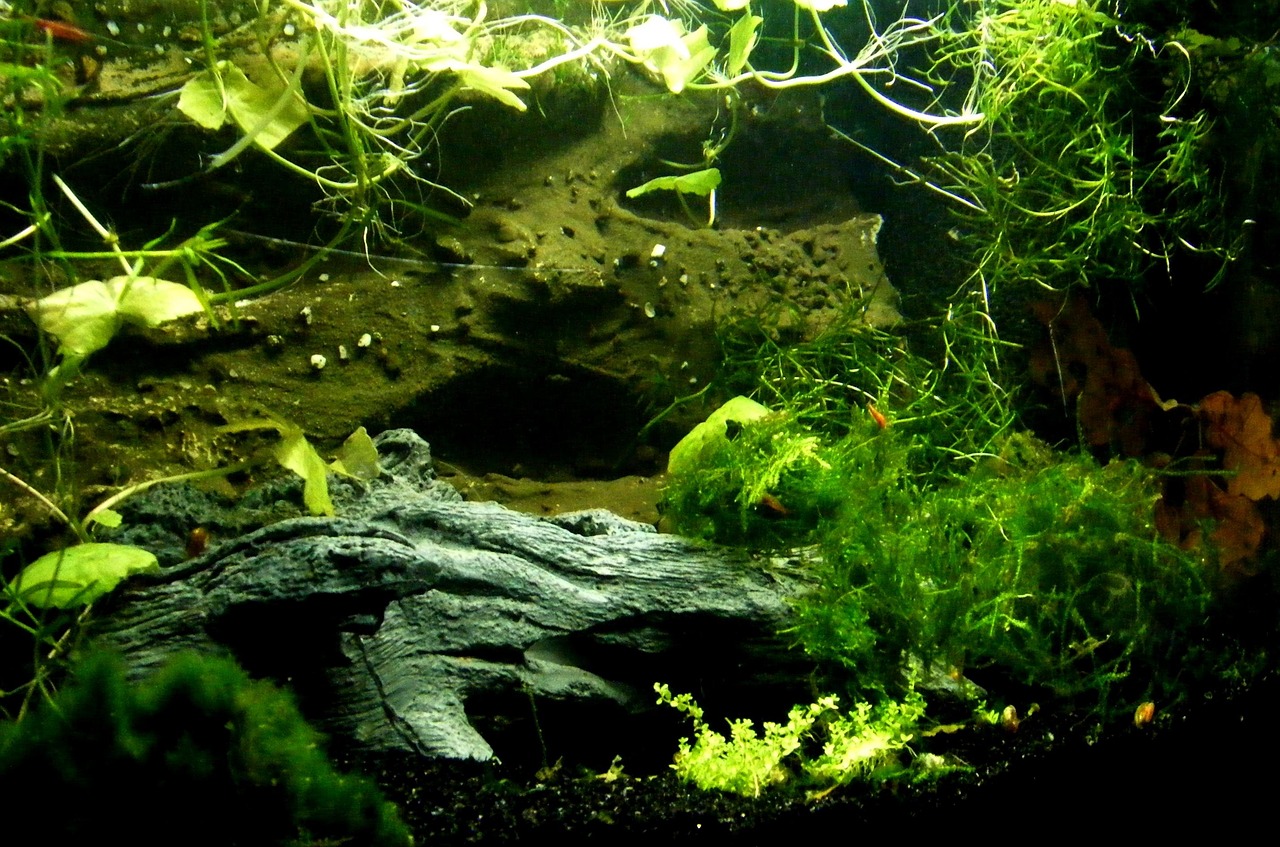
Most Cryptocoryne species die instantly in brackish water. Their evolutionary niche is freshwater rainforest stream and they have no salt tolerance to speak of. Cryptocoryne ciliata is the dramatic exception — the genus’s only true brackish-native species, found growing emergent at the margin of mangrove estuaries across Southeast Asia. The cryptocoryne ciliata brackish niche is uniquely valuable because it gives keepers a genuine native plant for mangrove biotopes rather than a freshwater compromise. This guide from Gensou Aquascaping at 5 Everton Park covers salinity range, emergent growth and biotope use.
Native Habitat
The species grows along the brackish edge of mangrove forests from Sri Lanka through Malaysia and into the Indonesian archipelago. Singapore’s own coastal mangroves at Sungei Buloh, Pasir Ris and parts of Pulau Ubin historically harboured wild populations. The plant grows emergent — leaves above water, rhizome submerged in tidally flooded sediment — and tolerates daily salinity swings between fresh and roughly half-strength seawater.
Salinity Range
Captive husbandry settles between SG 1.005 and 1.012. Below SG 1.003 growth is fine but the species shows no advantage over standard freshwater crypts. Above SG 1.015, growth slows but the plant survives. Unlike java fern or anubias, ciliata’s tolerance is not a marginal hold — it is an evolved adaptation, and the plant actively prefers some salinity.
Emergent vs Submerged Growth
In paludarium setups the plant performs best with leaves emergent above the waterline. Submerged growth is possible but slower and produces softer foliage. Mangrove-style scapes that combine a water section with a marshy land area suit ciliata perfectly. Build the planting bed using mangrove substrate from the decoration and substrate range, ideally a mix of fine sand and clay.
Tank Layout
Plant the rhizome shallow — root crown at substrate level, leaves emerging into air or just below the surface. Group five to seven plants at the rear of a paludarium for visual mass. Combine with mangrove pneumatophores, driftwood and aragonite sand to recreate the estuarine margin look. The plant grows tall, reaching 30-60 cm, so reserve back layout space.
Substrate Requirements
Unlike epiphytic anubias and java fern, ciliata is a heavy root feeder. Use nutrient-rich substrate or aquasoil capped with sand. In brackish setups, traditional aquasoils leach ammonia for longer than freshwater versions because nitrification cycles slowly in salt water. Allow a six-week cycle before planting if using fresh aquasoil. Liquid fertilisers from the water care and treatment range supplement column nutrients.
Lighting
Medium light suits emergent growth. For submerged growth, push lighting closer to high — the plant is not a low-light species despite forum claims. Aim for 50-80 PAR at substrate level for submerged sections. Emergent leaves benefit from indirect daylight or LED fixtures with full-spectrum output. Algae management runs easier than with anubias because the leaves grow and shed continuously.
Propagation
Mature plants send out runners that produce daughter plants every six to ten weeks under good conditions. Cut runners with sharp scissors from the aquascaping tools range once daughters develop two or three leaves. Replant immediately rather than letting daughters drift — exposed rhizomes dry out quickly in low humidity.
Pairing With Brackish Livestock
Ciliata pairs naturally with sailfin mollies, knight gobies, orange chromides, mudskippers and bumblebee gobies. Mangrove biotope crabs (sesarmids) graze the lower leaves but rarely cause significant damage. Avoid herbivorous brackish species like scats and monos that strip soft plants, and skip ciliata in setups with these fish.
Singapore Sourcing
Genuine Cryptocoryne ciliata is rare in Singapore retail. Iwarna’s wild plant section occasionally lists it at SGD 25-60 per established rhizome. Carousell sellers with mangrove biotope interests sometimes offer cuttings at SGD 15-30. Confirm species identification — many shops mislabel Cryptocoryne wendtii or other species as ciliata. The leaf shape is distinct: long, lance-shaped, with a distinctly ruffled spathe.
Related Reading



