
Java Fern Care Guide: Bulletproof Plant for Any Tank
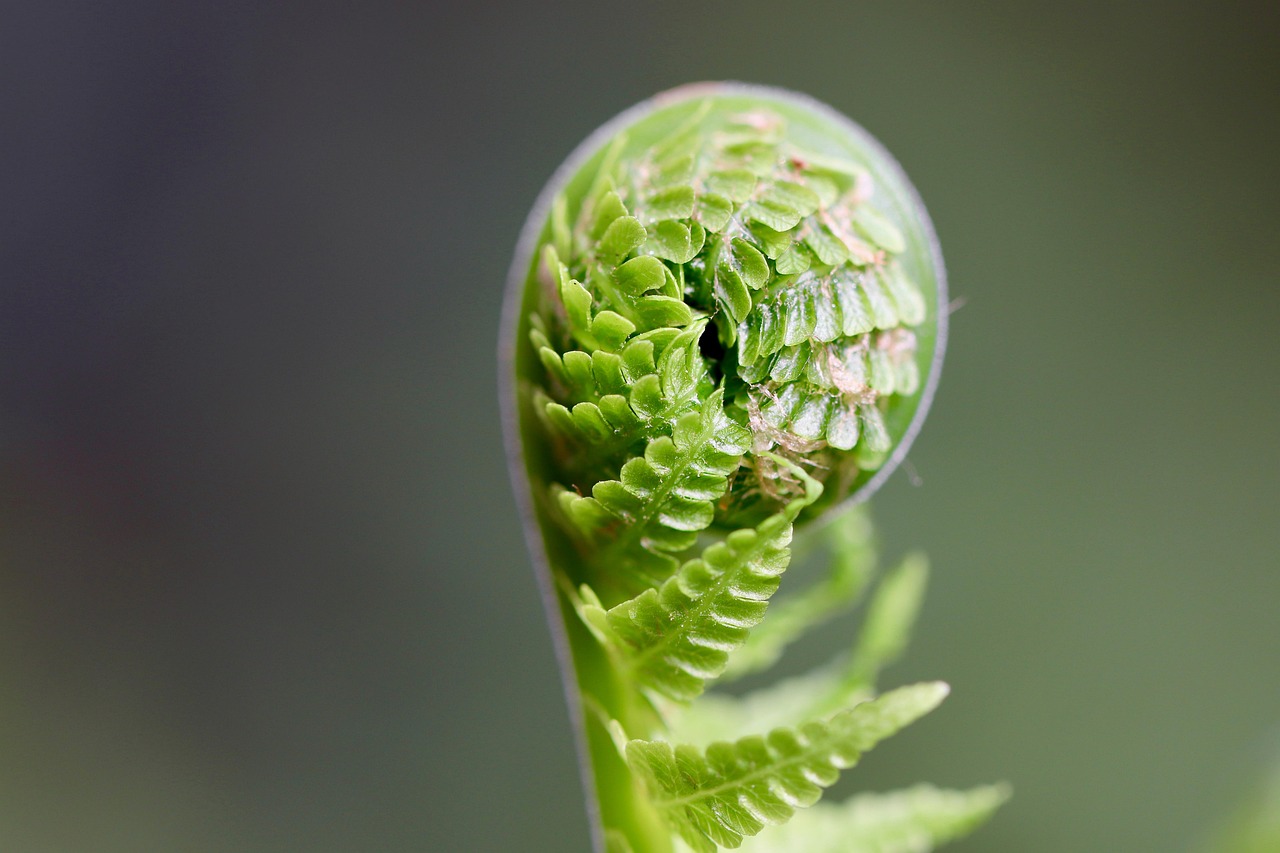
If there is one aquarium plant that could be called truly bulletproof, it is the java fern (Microsorum pteropus). This hardy, elegant plant tolerates low light, requires no CO2, adapts to a wide range of water chemistry, and produces new plantlets from its own leaves in a fascinating form of vegetative reproduction. For Singapore aquarists, java fern is doubly appealing: it thrives in our warm tap water without special equipment, and its slow, steady growth means minimal maintenance once established. Whether you are setting up your first planted tank or adding reliable greenery to an existing setup, java fern is a plant you can count on. This guide sits inside our broader Planted Tank Complete Hub reference.
Popular Varieties
Java fern comes in several varieties that differ primarily in leaf shape. All share the same easy-going care requirements.
Regular Java Fern (Microsorum pteropus)
The standard variety with broad, lance-shaped leaves that grow 15-30 cm long. Sturdy and dependable, this is the form most commonly available in Singapore shops. Excellent for mid-ground and background placement in tanks of 60 litres and above.
Narrow Leaf Java Fern
Features long, slender leaves that are much narrower than the regular variety. The narrow fronds create a grass-like, flowing appearance, especially when positioned near a filter outlet where gentle current causes them to sway. Grows to similar heights as regular java fern but has a lighter, more graceful visual effect.
Windelov Java Fern (Lace Java Fern)
Named after Tropica’s founder, this variety has leaf tips that split into fine, branching filaments, creating a lace-like or antler-like appearance. One of the most visually distinctive aquarium plants available, windelov java fern makes an excellent centrepiece when attached to a prominent piece of driftwood. Slightly smaller than the regular variety, typically reaching 15-20 cm.
Trident Java Fern
Leaves are deeply lobed, resembling a trident or fork. Narrower and more intricate-looking than regular java fern, trident is a favourite among aquascapers for its detailed texture. It tends to stay slightly smaller and more compact, making it suitable for mid-ground positions even in moderate-sized tanks.
Mini Java Fern (Petite)
A compact variety with leaves typically under 10 cm. Ideal for nano tanks and foreground placements where the regular variety would be too large. Less commonly available but increasingly stocked by specialist plant shops in Singapore.
Care Requirements
Java fern is one of the least demanding plants in the aquarium hobby. Its requirements are minimal:
| Parameter | Range | Notes |
|---|---|---|
| Light | Low to moderate | Thrives in dim conditions; excessive light causes algae on leaves and can lead to transparent, brown leaves |
| CO2 | Not needed | Grows well without any CO2 supplementation |
| Temperature | 20-30°C | Perfectly suited to Singapore ambient temperatures |
| pH | 6.0-8.0 | Extremely adaptable; PUB tap water is fine |
| GH | 3-15 dGH | Tolerates soft to moderately hard water |
| Substrate | Not planted in substrate | Epiphyte: attach to hardscape, never bury the rhizome |
| Fertiliser | Optional | Benefits from occasional liquid fertiliser but survives without |
Like its relatives Anubias and Bucephalandra, java fern is an epiphyte that grows from a rhizome. The single most critical care rule is: never bury the rhizome in substrate. The thick, dark, horizontal stem from which leaves and roots emerge must be exposed to water circulation. Burying it leads to rot and the plant’s eventual death. Roots growing downward into the substrate are fine, but the rhizome itself must remain above the substrate surface.
Attaching Java Fern
Java fern should be attached to driftwood, rocks or other hardscape elements. Over time, its roots grip the surface firmly, and the plant becomes permanently attached without any ongoing intervention.
Methods
- Superglue (cyanoacrylate gel): The quickest method. Apply gel superglue to the hardscape surface, press the rhizome onto the glue, and hold for ten to fifteen seconds. Safe and effective. Ideal for positioning multiple plants quickly during an aquascape setup.
- Cotton thread: Wrap cotton thread around the plant and hardscape, securing the rhizome against the surface. The thread biodegrades in four to six weeks, by which time the roots will have attached naturally.
- Fishing line: Same technique as thread but does not degrade. Use dark monofilament for the least visibility. Good for larger specimens that need more holding force during establishment.
- Wedging: Tuck the rhizome into crevices in driftwood or between rocks. No adhesive required. The plant naturally anchors itself over a few weeks.
Java fern roots are not for nutrient uptake in the traditional sense; they primarily serve as anchors. The plant absorbs most of its nutrients through its leaves from the water column. This is why liquid fertiliser (rather than root tabs) is the appropriate way to feed java fern.
Black Spots and Baby Plants
One of the most distinctive features of java fern is its method of vegetative reproduction. If you notice small black or dark brown spots developing on the undersides of mature leaves, do not be alarmed: this is not disease. These spots are the beginning of new plantlets.
The process unfolds as follows:
- Dark bumps appear on the underside of a mature leaf, typically near the leaf tip.
- Tiny leaves and roots begin to sprout from these bumps.
- The plantlets grow while still attached to the parent leaf, drawing nutrients from it.
- Eventually, the parent leaf deteriorates (turning brown and transparent), and the plantlets detach and float away or settle on nearby surfaces.
- Detached plantlets develop their own roots and attach to whatever surface they land on.
This process is entirely natural and is, in fact, the primary way java fern reproduces in the aquarium. You can accelerate the process by gently detaching well-developed plantlets (those with three or more leaves and visible roots) and attaching them to hardscape elsewhere in the tank.
A mature java fern in good conditions can produce a steady stream of baby plants, to the point where you may find yourself giving them away to fellow hobbyists. It is not uncommon for java fern to slowly colonise an entire tank if left unchecked.
Propagation Methods
Beyond the natural leaf propagation described above, java fern can be propagated deliberately through rhizome division:
- Select a healthy plant with a rhizome long enough to divide into sections, each with at least three to four mature leaves.
- Use a sharp blade to cut through the rhizome cleanly.
- Attach each division to a separate piece of hardscape.
- Both divisions will continue growing independently after a brief adjustment period.
Rhizome division is faster than waiting for leaf propagation and gives you more control over where new plants are positioned. However, very small divisions (one or two leaves) may struggle and are slower to establish than larger pieces with more photosynthetic capacity.
Placement Tips
Java fern’s versatility means it can be used in many positions within an aquascape:
- Driftwood centrepiece: Attach several java ferns to a prominent piece of driftwood for a natural, established look. Mix varieties (regular on the main trunk, windelov on branch tips, narrow leaf on lateral branches) for visual interest.
- Background filler: Regular java fern’s height (15-30 cm) makes it an effective background plant. Attach to rocks or driftwood positioned at the back of the tank.
- Mid-ground accent: Trident and windelov varieties, being slightly smaller and more textured, work beautifully in mid-ground positions.
- Nano tank feature: Mini/petite java fern is proportionate to nano tanks and can serve as the primary plant in tanks under 30 litres.
- Rock face planting: Attach java fern to a large rock face for a cliff-garden effect. The ferns’ natural growth pattern, with fronds emerging from the rhizome in a fan shape, looks striking against stone.
One placement tip that experienced aquascapers follow: avoid positioning java fern directly under the brightest part of your light. Moderate to shaded positions reduce algae growth on the leaves and produce healthier, darker green fronds. Java fern actually looks its best in the areas of your tank that other plants would consider too dim.
Singapore Suitability
Java fern is exceptionally well suited to Singapore aquarium conditions for several reasons:
- Temperature: Singapore’s ambient water temperatures of 28-31°C fall within java fern’s tolerable range. No heater or chiller is required.
- Water chemistry: PUB tap water, after dechlorination, provides suitable pH and hardness for java fern without any adjustment.
- No special equipment: Java fern does not need CO2 injection, high-intensity lighting, or nutrient-rich substrate. A basic aquarium setup with a standard light and a filter is all that is required.
- HDB/condo friendly: For apartments where space, noise and power consumption are considerations, java fern allows you to have a beautiful planted tank without the equipment footprint of a high-tech setup.
- Availability: Java fern is one of the most readily available aquarium plants in Singapore. Every aquarium shop stocks at least the regular variety, and specialist plant shops carry the full range of varieties.
For anyone starting their first planted tank in Singapore, java fern combined with Anubias forms a virtually fail-proof combination that looks attractive from day one and improves over time as the plants grow and mature.
Need help designing a beautiful planted aquarium for your home or office? Contact Gensou for expert custom aquarium design and professional maintenance services across Singapore.
Frequently Asked Questions
Why are my java fern leaves turning brown and transparent?
Brown, transparent leaves on java fern can indicate several issues. The most common cause is too much light, which causes the leaves to essentially “burn.” Move the plant to a shadier position or reduce your lighting intensity. Other causes include nutrient deficiency (particularly potassium), burying the rhizome, or simply natural leaf ageing. Old leaves naturally deteriorate and are replaced by new growth. If only the oldest leaves are affected and new growth looks healthy, this is normal turnover.
Can java fern grow floating?
Yes, java fern can grow floating at the water surface without being attached to anything. Floating java fern often grows quickly because it has direct access to atmospheric CO2 and light. However, floating plants look untidy in most aquascapes and can block light from reaching plants below. Most hobbyists prefer to attach java fern to hardscape for a cleaner, more controlled appearance.
Does java fern grow fast?
Java fern is a slow to moderate grower. Under good conditions, expect one to two new leaves per growth point per month. It will not fill in a tank quickly like fast-growing stem plants. However, once established, a java fern steadily produces baby plants that gradually populate the tank. Patience is key; a java fern that has been in a tank for six months looks dramatically better than one that was planted last week.
Is java fern safe with goldfish and cichlids?
Java fern is one of the few plants that most plant-eating fish leave alone. The tough, leathery leaves are unpalatable to goldfish, most cichlids, and other notorious plant destroyers. This makes java fern an excellent choice for tanks where soft-leafed plants would be eaten. Attach it securely to heavy hardscape, as larger fish may uproot loosely attached plants through sheer activity rather than deliberate consumption.
Related Reading



