
Thai Micro Crab Shrimp Tank Cohabitation Guide: Limnopilos Stocking
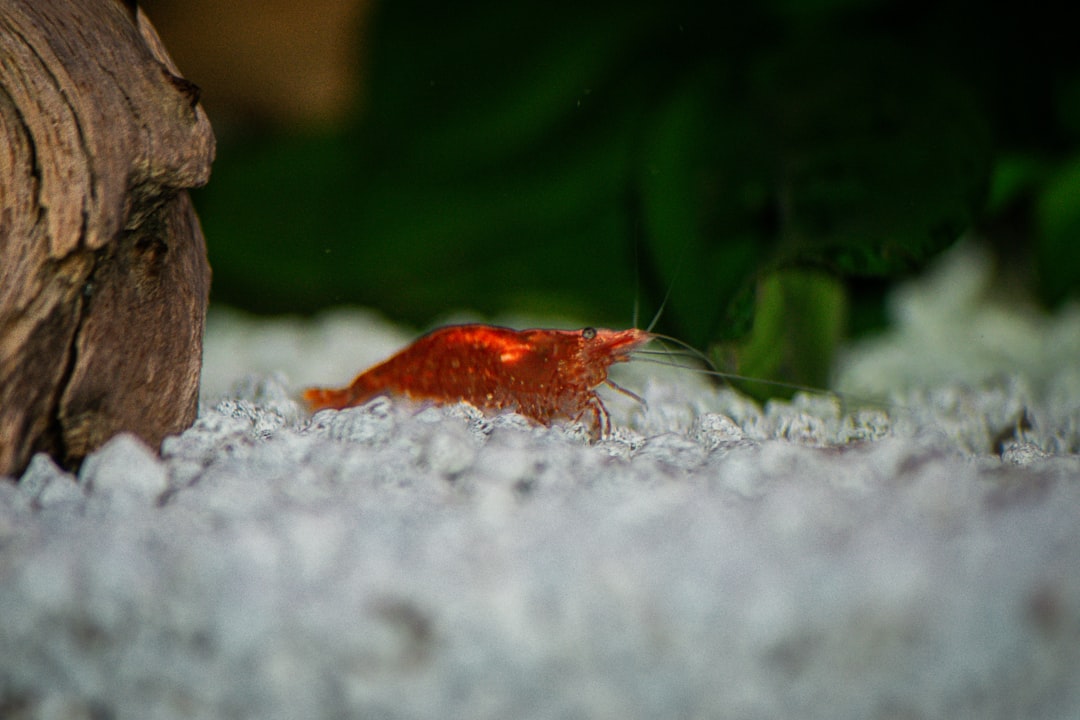
Most decapod tank mates kill shrimp eventually — vampire crabs, fiddlers and crayfish all view shrimplets as snacks. One species breaks the pattern, and at just 1 cm carapace width it slips into shrimp colonies without disrupting the breeding cycle. The thai micro crab cohabitation story revolves around Limnopilos naiyanetri, a tropical freshwater crab small enough to share a planted nano tank with neocaridina or caridina shrimp. This guide from Gensou Aquascaping at 5 Everton Park covers stocking ratios, feeding strategies and the few caveats that matter.
Meet Limnopilos Naiyanetri
Thai micro crabs were described in 2008 from a single river system in Thailand and entered the trade quickly because they breed reasonably well in captivity. Adult carapace is 1 cm wide, with hairy legs giving them a fuzzy appearance. They are filter feeders, fanning organic particles from the water column with bristly mouthparts. Lifespan is one to two years — short by crab standards but normal for true freshwater crabs.
Why They Cohabit Successfully
Three factors make them shrimp-safe. First, they are too small to physically capture and subdue an adult cherry shrimp at 2.5 cm body length. Second, they are passive filter feeders and ambush predators rather than active hunters. Third, they share the same water parameters and feeding behaviour as ornamental shrimp, so a tank optimised for one suits the other. Caveat: Thai micro crabs will eat shrimplets under 5 mm if they encounter them in tight spaces, so the cohabitation works best with established adult shrimp colonies that produce shrimplets faster than the crabs can predate them.
Stocking Density
Keep groups of six or more — they are loosely social and stress when isolated. A 30-litre nano tank holds eight to ten Thai micro crabs alongside 30-50 cherry shrimp comfortably. Larger 60-litre setups support correspondingly bigger colonies of both species. Sex ratios are not critical because the crabs do not show male-male aggression at typical densities. Browse the nano aquarium tank range for sizes appropriate to micro crab and shrimp colonies.
Water Parameters
Target pH 6.8-7.4, GH 6-12, KH 2-6, and temperature 22-26°C. Singapore tap is on the soft side, so a pinch of mineral remineraliser stabilises GH for both crabs and shrimp. Avoid sudden parameter swings — Thai micro crabs are more sensitive to nitrate than cherry shrimp and crash above 20 ppm. Weekly 30 per cent water changes with temperature-matched, dechlorinated water keep levels stable.
Aquascape and Hide Density
Dense moss carpets, fine-leaved plants like Rotala rotundifolia and Limnophila sessiliflora, and cholla wood or driftwood give the crabs vertical climbing surfaces and ambush points. They cling to plant stems and filter feed in gentle current zones. Avoid heavy substrate disturbance because they prefer fine sand or aquasoil where they can pick organic particles. The aquascaping substrate range includes options compatible with shrimp and Thai micro crab biotopes.
Feeding the Filter Feeders
Thai micro crabs are passive filter feeders. They benefit from suspended food in the water column — powdered shrimp pellet dust, microalgae infusoria, and the natural biofilm that develops in mature aquaria. Feed ornamental shrimp food normally; the crabs filter the dust and small fragments. Direct supplementation with a syringe of crushed pellet slurry, aimed at gentle current zones, ensures they get enough protein. Skip large pellets — they cannot tackle whole pieces.
Filtration and Flow
Sponge filters and small canister filters work well, providing biological filtration without sucking up tiny crabs. Flow rate should be gentle — 2-4 times tank volume per hour — because Thai micro crabs are weak swimmers and stronger flow exhausts them. Pre-filter sponges on canister intakes prevent crab and shrimp loss to suction. The sponge filter range at Gensou suits nano shrimp-and-crab biotopes.
Sourcing in Singapore
Thai micro crabs cost SGD 15-30 per specimen at Singapore importers and dedicated shrimp specialty shops. Most stock arrives from Thai breeders by air, sometimes wild-caught. Healthy individuals are active, with intact legs and antennae and visible feeding behaviour within hours of acclimation. Avoid lethargic specimens or those with limb damage — crabs do regenerate limbs over moult cycles but stressed animals frequently fail to moult successfully.
Related Reading



