Top 10 Aquarium Fish Low Effort Singapore HDB Picks
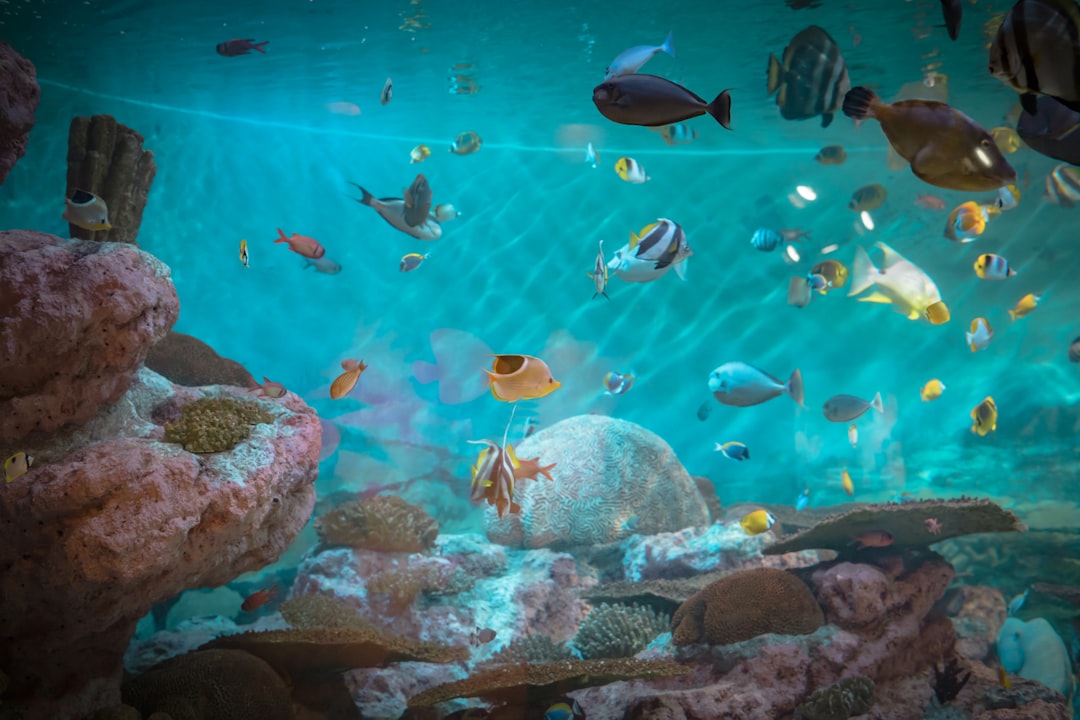
HDB flats favour compact tanks (under 60cm), quiet equipment, and species that thrive without a chiller. The top 10 aquarium fish HDB dwellers can keep with minimum effort are ranked here by combined footprint, electricity cost, and parameter forgiveness. This roundup from Gensou Aquascaping at 5 Everton Park assumes a 30-60cm tank, ambient 28-31°C, and a sponge filter rated under 5 watts. Pair these picks with an LED clip-on light and a planted setup that absorbs nitrate biologically — your monthly tank-related electricity bill stays under SGD 3, with no heater or chiller running 24/7, and the typical floor-load impact stays well under HDB structural limits even on suspended slabs.
HDB-Specific Setup Notes
A 60cm tank weighs roughly 60-70kg fully filled and sits comfortably on most TV consoles or sturdy shelving without reinforcement. Place it on an interior wall away from direct sunlight to minimise temperature swings and algae growth. Use a power strip with surge protection — HDB blocks occasionally see voltage spikes during thunderstorms that damage cheap aquarium equipment. Run silicone airline tubing rather than rigid pipe to keep filter noise from transmitting through walls to neighbours.
1. Guppy (Poecilia reticulata)
Trio thrives in a 15-litre tank, no heater needed. 4cm. SGD 5-15 at Iwarna. Self-sustaining colony in a planted nano — fry survive without intervention and population caps naturally as predation balances births.
2. Endler’s Livebearer (Poecilia wingei)
Smaller than guppies, brighter colours, breeds without intervention. 2.5cm, trio in 15-litre. SGD 8-15. Pure N-class strains preserve colour markers across generations even without manual selection by the keeper.
3. Cherry Shrimp (Neocaridina davidi)
Technically not a fish but the lowest-effort HDB tank inhabitant. 2-3cm, colony of 20+ in a 20-litre planted tank. SGD 1-3 each. Eats biofilm — minimal feeding, and the colony self-balances based on available algae and detritus.
4. Chili Rasbora (Boraras brigittae)
Group of ten in a 20-litre cube. 1.8cm. SGD 2-3. Long-lived (3-4 years) and undemanding once acclimated to soft tannin-stained water in a planted setup.
5. Ember Tetra (Hyphessobrycon amandae)
Group of ten in 30-litre. 2cm. SGD 2-3. Hardy across GH 2-12 and tolerant of typical HDB tap variability without requiring remineralisation.
6. Otocinclus (Otocinclus vittatus)
Self-feeding algae grazers. 4cm, group of six. SGD 4-7. Add only to mature tanks (3 months+) — they starve in fresh setups before any algae establishes.
7. Honey Gourami (Trichogaster chuna)
Pair in 60-litre tank, breathes air, low filter demand. 5cm. SGD 8-12. Tolerates lower oxygen if filter falters and recovers quickly from short power outages — useful in older HDB blocks.
8. Harlequin Rasbora (Trigonostigma heteromorpha)
Group of eight in a 60cm tank. 4.5cm. SGD 2-4. The benchmark hardy schooler for HDB nano displays — five-year lifespan and minimal disease history in local water.
9. Betta Splendens (Betta splendens)
Solo in 20-litre, no heater needed in HDB rooms. 7cm. SGD 25-90 from Carousell breeders. Pair with a QANVEE Bio Sponge Filter on lowest air for sub-2-watt operation and near-silent night-time running.
10. Bristlenose Pleco (Ancistrus sp.)
Single male in 90-litre+ tank — slightly larger footprint but minimal owner intervention. 12cm. SGD 8-15. Use a compact 90cm planted tank on a wall console and finish with a basic aquascaping toolkit for monthly trims. Keep the lid closed and the setup in a stable corner away from kitchen heat — HDB kitchen-living-room layouts are typically 2-3°C warmer than bedrooms.
A weekly 10-minute routine handles the average HDB low-effort setup: 25 per cent water change with a Python or bucket, gravel-vac the bare patches, wipe glass, top up with conditioner-treated tap. Monthly tasks add filter rinse in tank water (never tap) and plant trim. Quarterly tasks include impeller clean and substrate deep-vac. Following this rhythm keeps a stocked 60cm tank stable indefinitely without major intervention, and the total time investment averages under 30 minutes per week across the full year.
Related Reading