
Top 10 Pleco Varieties Roundup: L-Number Showcase
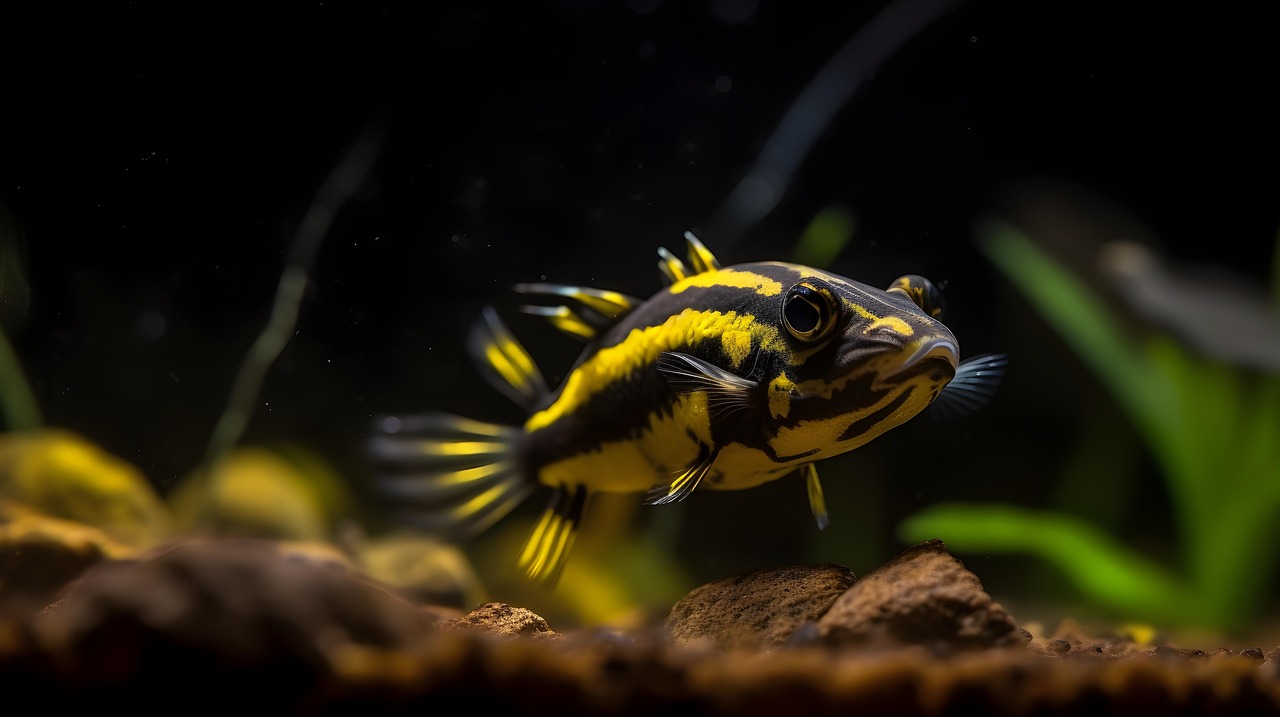
Plecos span over 1,000 described species, with L-numbers used to track undescribed Loricariidae as they enter the trade. The top 10 pleco varieties below are ranked by accessibility — common species first, then increasingly rare L-numbers that justify display tanks. This roundup from Gensou Aquascaping at 5 Everton Park covers diet preferences (algae grazer vs. wood-eater vs. carnivore), adult size, and tank requirements. Plecos are not all algae eaters — many are strict carnivores, and stocking the wrong type for your tank is the single most common pleco mistake among hobbyists progressing from bristlenose to L-numbers. Always research dietary needs before purchase since a misidentified L-number can starve in months on the wrong food regimen.
Understanding the L-Number System
L-numbers were assigned by German aquarium magazine DATZ starting in 1988 to track undescribed Loricariidae photographically before scientific naming. An L-number does not equal a species — multiple L-numbers can later be revised into a single species, or one L-number can split. L046, L260 and L201 are the most commonly stocked Hypancistrus in Singapore. Always verify identification from multiple photo angles before paying premium prices for high-numbered L-stock.
1. Bristlenose Pleco (Ancistrus sp.)
Algae grazer, 12cm, beginner-friendly. SGD 8-15 juveniles at C328 Clementi. Common, super-red, starlight, and longfin morphs widely available. Long-lived (10+ years) and the only pleco genuinely suited to a community tank under 100 litres.
2. Rubber Lip Pleco (Chaetostoma milesi)
Cool-water algae grazer, 15cm, requires below 26°C — chiller helps in SG. SGD 15-25. Hardier than otocinclus, milder than common plecos, and one of the few species that genuinely targets soft green algae over biofilm.
3. Snowball Pleco L142 (Hypancistrus inspector)
White-spotted black body, 15cm, 200-litre+ tank, omnivore. SGD 60-120 at specialist Carousell breeders. Diurnal compared to most Hypancistrus — visible during the day in moderately lit tanks with cave hideouts.
4. Queen Arabesque L260 (Hypancistrus sp.)
Stunning black-and-white maze pattern. 10cm adult, group of three works in 150-litre tank. SGD 80-180 each. One of the most striking small Hypancistrus in the trade and a frequent target for captive breeding by serious hobbyists.
5. Zebra Pleco L046 (Hypancistrus zebra)
The grail. CITES Appendix III — Brazilian export ban means SG stock is mostly captive-bred. 8cm, 100-litre tank. SGD 600-1,500 each. Verify legal provenance with the dealer; documented captive lines are now well-established in Singapore.
6. L201 Hypancistrus (Hypancistrus sp.)
Snowflake-pattern small Hypancistrus, 12cm, 150-litre tank. SGD 80-150. Cheaper alternative to L260 with similar care requirements and a simpler spotted rather than maze pattern.
7. Royal Pleco L190 (Panaque nigrolineatus)
Wood-eater (xylophore) — needs softwood driftwood from the decoration range. 35cm, 400-litre+. SGD 80-200 juveniles. Eyes catch overhead light with iridescent red flashes — among the most striking large plecos available.
8. Vampire Pleco L029 (Leporacanthicus galaxias)
Carnivorous, 25cm, 250-litre tank. SGD 80-200. Feed sinking carnivore pellets and frozen bloodworm — refuses algae wafers entirely and will starve on a vegetable-based diet.
9. Gold Nugget Pleco L177 (Baryancistrus sp.)
Black body with yellow polka dots and yellow-edged fins. 25cm, 250-litre. SGD 80-200 imported from Iwarna’s Brazilian shipments. L018 and L081 variants share similar coloration with subtle pattern differences.
10. Blue Phantom Pleco L128 (Hemiancistrus sp.)
Slate-blue body with subtle white spots. 20cm, 250-litre tank, omnivore. SGD 100-250. Feed with a varied diet from the fish food range and pair with a powerful canister filter from the aquarium equipment range — most L-numbers need pristine water and high oxygen saturation. Performs best in tanks with strong river-style flow.
L-numbers from fast-flowing rivers need oxygen saturation above 8 ppm, achieved through strong surface agitation or dedicated venturi outflows. Caves are essential — males in particular establish territory in pottery hideouts and refuse to display without secure shelter. Driftwood is non-negotiable for wood-eating Panaque species and useful for biofilm grazing across most other plecos. Plan for at least one cave per pleco and double the recommended filter rating for the tank size.
Related Reading



