
Nano Tank Contest Entry Strategy Guide: Sub-30L Class Tactics
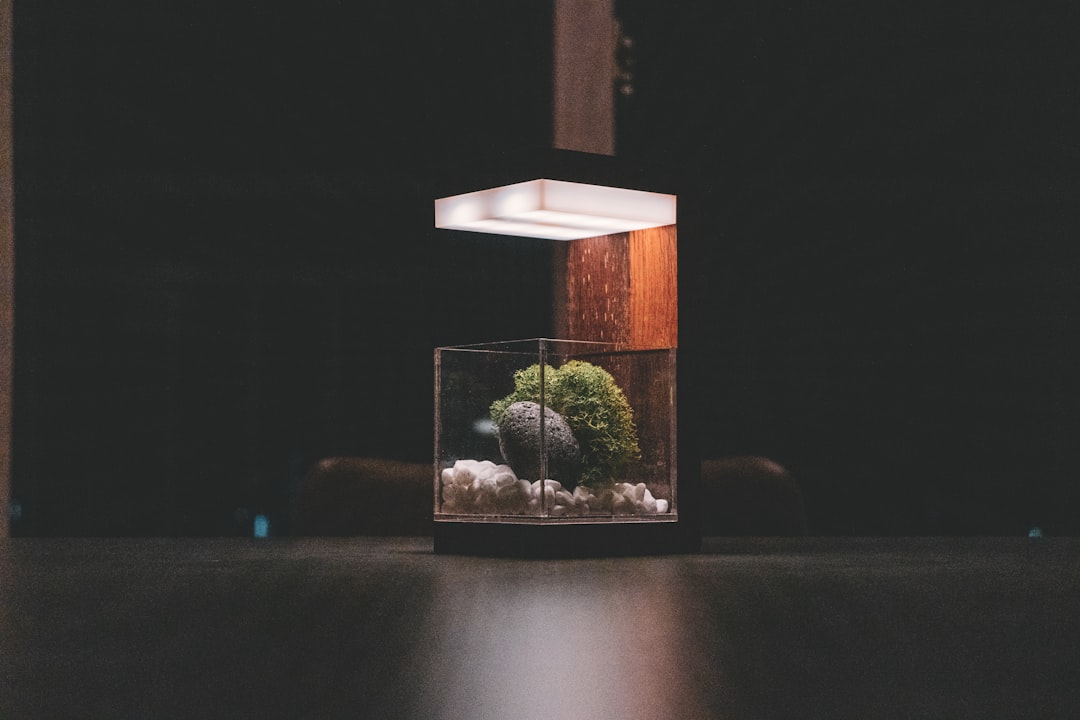
Small tanks are not easier — they are unforgiving, because every misplaced grain of sand reads loud. A serious nano tank contest entry in the IAPLC nano class or the AGA Class I sub-20L category demands a different mindset to a 90cm cabinet build. This strategy brief from Gensou Aquascaping at 5 Everton Park covers the tactical advantages of going small, the winning patterns from the past five years of judging panels, and the dry-start schedule that turns a fresh nano into a contest-ready entry in 90 to 120 days.
Why Nano Categories Reward Beginners
The sub-30L class lowers the financial bar dramatically. A full setup costs under SGD 500 versus SGD 2,000 plus for a 90P cabinet, which means more attempts per year and faster learning. Less plant volume also means less to manage — fewer trims, smaller water changes, simpler CO2 dosing through a bubble counter rather than a regulator. Visibility is your other ally: judges see the entire scape in one frame without scanning, so a single strong idea reads cleanly.
The IAPLC Nano Class Specifically
IAPLC accepts entries in the small tank category for tanks 45cm or shorter on the long side. AGA Class I caps at 28 litres, which roughly corresponds to a 30x30x30cm cube. Both reward originality and composition over plant variety. A standard ADA Cube Garden 30C or the equivalent rimless from the aquarium tank range hits the dimensions cleanly.
Winning Patterns From the Last Five Years
Three patterns dominate the nano podium. First, single focal hardscape — one piece of dragon stone or one fork of spider wood off-centre, with everything else supporting it. Second, monochromatic plant palette — three to four species maximum, all green or all reddish. Third, sharp contrast between hardscape texture and plant softness, where a jagged stone is wrapped in flowing Riccardia chamedryfolia or pillowy Fissidens fontanus. Avoid trying to compress a 60P composition into 30 litres — it never reads.
The Dry Start Method for Nanos
Dry-start is almost mandatory for a competitive nano carpet. Plant Hemianthus callitrichoides, Monte carlo or Glossostigma elatinoides on damp soil under cling film with a small fan, run lights 8 hours daily, and wait six to eight weeks for full coverage. Flooding before coverage is incomplete will undo the work. The aquarium fertiliser range includes the foliar misters needed during this phase.
Hardscape Selection at Nano Scale
One rock is the rule. Two rocks become competing focal points; three rocks become a rockery and lose impact. Pick a single 8-15cm piece of seiryu, dragon stone or Manten stone from the decoration and substrate range with an obvious good face, and spend an hour finding the one rotation that best leads the eye. Spider wood works for the same reason — a single twist with a clear branching pattern beats a tangle of three.
Substrate Slope Tricks
Forced perspective is a nano specialty. Rake substrate from 8cm at the back to 1cm at the front to suggest depth that the 30cm footprint cannot deliver naturally. Use finer-grained sand at the front and coarser aqua soil at the back to amplify the trick further. The slope settles over 30 to 60 days, so build it 2cm steeper than your target.
Plant Trim Timing for the Hero Shot
Trim the carpet five to seven days before photography so it has time to push fresh growth and lose any cut yellow edges. Stem trims for any background plants should happen ten to fourteen days out. Mosses get a final tidying with sharp scissors the day before, removing any longest tendrils that throw off the silhouette. Bring the lights up to 100 per cent intensity for the final week to deepen colour saturation.
Time-to-Display Realism
Plan 90 to 120 days from initial fill to contest photo. That breaks down as 45 days dry-start, 14 days flood and cycle, 30 days establishment, 10 days fine-tuning, and one shoot day. Compressing this timeline shows up as patchy carpet or visible algae in judge close-ups. Two failed nano attempts teach more than one rushed entry.
Photographing the Final Result
A 30cm tank shoots beautifully with a 50mm lens at f/8, ISO 200, with twin LED panels at 30 degrees. Keep the camera level — a bubble level on the tripod hot shoe matters more here than at any larger scale because depth illusions collapse when verticals tilt.
Related Reading



