
DIY Aquarium Fertiliser Mix Recipe Guide: KNO3 KH2PO4 K2SO4
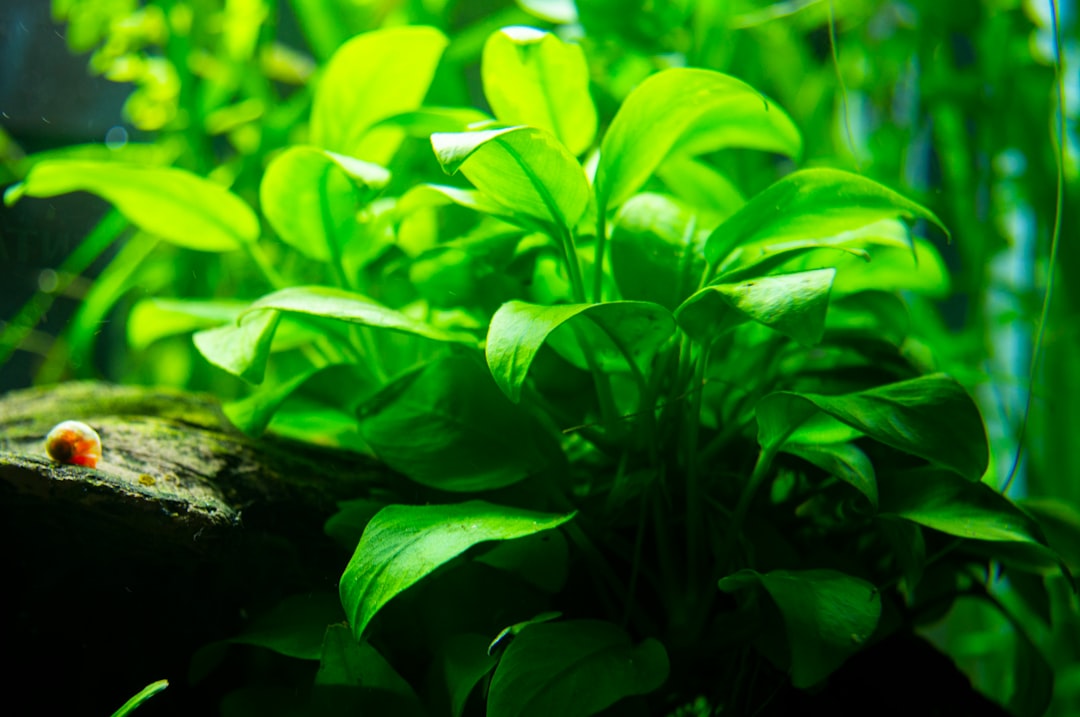
A bottle of premium liquid fertiliser like APT Complete sells for SGD 25 per 100ml in Singapore, and a heavily planted 60cm tank burns through one every six weeks. Switch to dry salts and the cost collapses to roughly SGD 0.30 per dose for the same nutrient load. DIY aquarium fertiliser mix takes one Sunday afternoon to weigh and bottle, then runs your tank for a full year. This guide from Gensou Aquascaping at 5 Everton Park covers the three dominant dosing schemes — Estimative Index, PPS-Pro and lean dosing — with exact gram weights for the most common Singapore tank sizes.
Materials and Tools
The dry salts ship from Carousell hobbyist resellers and Shopee chemical suppliers — SimplyAquatic and GreenAqua import from EU sources. You need 500g KNO3 (potassium nitrate, SGD 12), 250g KH2PO4 (mono-potassium phosphate, SGD 10), 500g K2SO4 (potassium sulphate, SGD 8), 250g MgSO4 (Epsom salt, SGD 4 at NTUC), and 100g CSM+B trace mix (SGD 18). Tools — a 0.01g jewellery scale (SGD 25 on Shopee), three 500ml dosing bottles, a measuring cylinder, and labels. Total raw outlay around SGD 80-120.
Why This DIY Saves Money
An EI tank consumes the equivalent of SGD 300-450 in branded liquid fertilisers per year. The dry-salt batch above lasts eighteen months on a 100-litre planted setup and costs SGD 80-120 once. After the first year you are already saving SGD 200, and the consumables stretch into a second year. Quality is identical — branded liquids are the same compounds dissolved in water with a marketing budget attached.
Step 1: Pick Your Dosing Philosophy
Estimative Index floods the tank with excess nutrients and resets weekly with a 50 per cent water change. PPS-Pro doses the daily uptake exactly, no water change required. Lean dosing runs nutrients at quarter-EI levels for slow-growth low-tech setups. Choose based on plant load — heavy stem-and-carpet scapes thrive on EI, low-tech Anubias jungles prefer lean.
Step 2: Weigh the Macro Solution
For a 500ml EI macro bottle dosing a 100-litre tank, weigh 60g KNO3, 12g KH2PO4 and 30g K2SO4. Add to a clean PET bottle, top up to 500ml with RO or distilled water, and shake until clear. Each 5ml dose delivers roughly 7.5ppm NO3, 1.3ppm PO4 and 6ppm K. Dose three times weekly on alternate days.
Step 3: Weigh the Micro Solution
Dissolve 20g CSM+B and 10g MgSO4 in 500ml RO water in a separate bottle. Add 5ml of white vinegar to lower pH and prevent iron precipitation — the trace mix turns brown within a week without it. Dose 5ml three times weekly on the days the macros are not dosed. Refrigerate the trace bottle to extend shelf life beyond two months.
Step 4: PPS-Pro Daily Variant
For PPS-Pro, halve all macro weights and dose 1ml per 100 litres every day after lights-on. The daily rhythm matches plant uptake more closely and avoids the weekly reset. PPS-Pro suits busy aquarists who skip water changes, but algae will appear if light or CO2 stalls because the buffer is thinner than EI.
Step 5: Bottle Labelling and Safety
Label each bottle clearly with the contents, mix date and dose volume. KNO3 is a strong oxidiser — keep away from heat, never store near solvents. KH2PO4 is mildly acidic. Children and pets should not access the cabinet. Browse the water care and treatment range for sealed dosing pumps if you scale up.
Sealing and Curing
No silicone work here, but the macro bottle should be sealed within five minutes of mixing to prevent CO2 absorption from the air, which drops pH and forms phosphate precipitates over weeks. Use HDPE or amber glass — clear PET works for one year before UV begins to degrade the trace iron chelates. Store in a cool dark cupboard, ideally below 25°C.
Aquasafe Test Before Use
Mix a 5ml dose into a 100ml glass of tank water and observe for thirty minutes. The solution should remain clear, colourless for macros and pale yellow-green for traces. Cloudiness in the macro bottle signals undissolved KH2PO4 — warm the water to 30°C and shake again. Brown sediment in the trace bottle means iron is precipitating; add more vinegar and refrigerate. Confirm safety by dosing a single 1ml shot into the tank and watching shrimp behaviour for an hour. Pair the regime with quality liquid carbon from the water care range on no-CO2 setups.
Maintenance and Lifespan
Macro bottles last six months at room temperature without degradation. Trace bottles last two months, four months refrigerated. Mark the mix date on the label and rotate batches. Smell test before each dose — vinegar tang is normal, sulphurous rot means contamination from a dirty pipette. Pair with substrate fertilisation from the substrate range for stem plants.
Common Pitfalls
Mixing macro and trace in one bottle causes immediate iron-phosphate precipitation. Keep them separate, always. Over-dosing CSM+B turns water rusty within a week — copper levels accumulate and harm shrimp. Stick to weighed doses and resist the urge to “feed the plants more” when an algae outbreak hits — algae signals CO2 or flow issues, not nutrient shortage.
Related Reading



