
DIY Pond Waterfall Pump Shroud Build Guide: Hide Clean Access
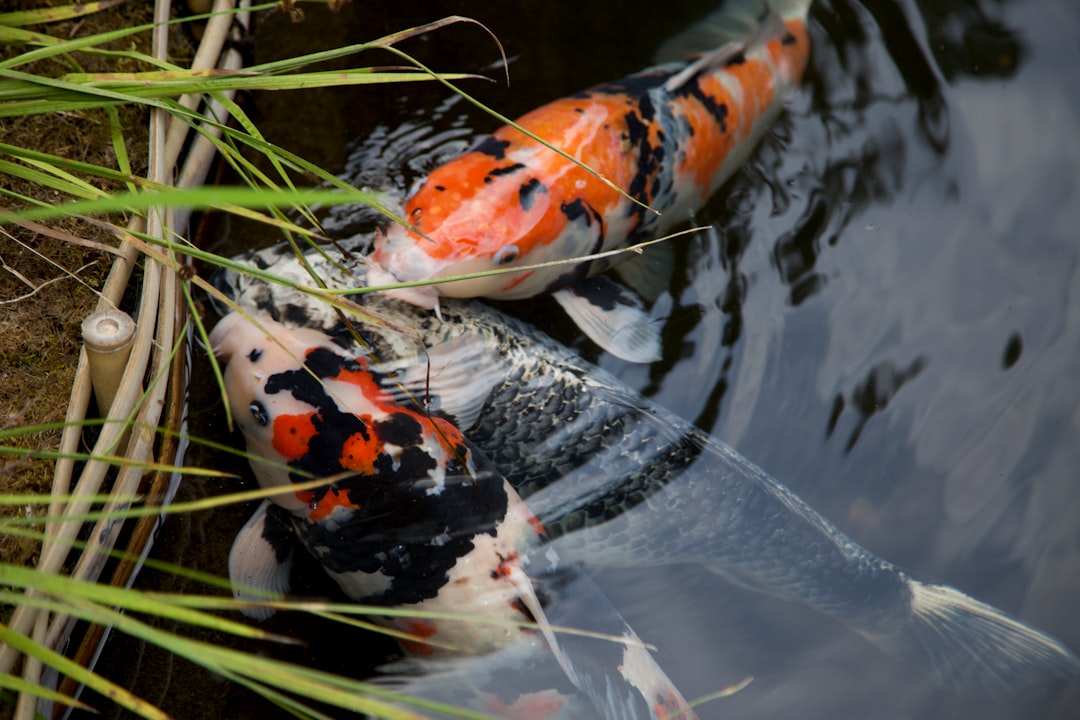
A pond pump sitting bare on the bottom looks industrial, traps debris in awkward corners, and forces you to drain the entire pond every time you need to lift it for service. A purpose-built shroud hides the pump, conceals the liner edge, and gives you a removable lid for cleaning without disturbing the surrounding aquascape. This diy pond waterfall shroud guide from Gensou Aquascaping at 5 Everton Park covers two builds — a quick irrigation-drum version under SGD 25 and a tidier plywood box at SGD 40 — both of which improve aesthetics and serviceability. The diy pond waterfall shroud also blocks koi and goldfish from impeller damage, an underrated benefit for fancy goldfish keepers.
Materials and Tools
Drum version: a 25-30L plastic irrigation drum or paint bucket at SGD 8, mesh cover at SGD 5, a 50mm bulkhead and elbow at SGD 10, and zip-ties at SGD 2. Plywood version: a sheet of marine plywood at SGD 18, marine sealer at SGD 12, stainless screws at SGD 5, and the same bulkhead kit at SGD 10. Tools: jigsaw, drill with hole saw, sandpaper, brush. Both versions take a single Saturday afternoon.
Why DIY Beats Commercial Pump Boxes
Commercial pump skimmer boxes retail at SGD 250-600 and ship with weak hinges that fail in tropical UV within two years. A DIY version uses materials available from any HDB hardware store, can be sized to your specific pump, and is repairable in pieces rather than replaced as a whole unit. The plywood box also accepts paint or stain to match surrounding garden joinery, which a moulded-plastic commercial box cannot.
Step One: Cut Inlet and Outlet Holes
For the drum version, drill three to four 80mm intake holes around the lower third of the drum to draw water in from all sides. Cover these with a fine mesh held in place with cable ties to keep koi snouts and large debris out. Drill one 50mm hole for the pump’s pressure outlet, fitted with a bulkhead leading to the waterfall’s flexible hose. The plywood box uses the same hole layout but routed cleanly with a hole saw.
Step Two: Seal Plywood Surfaces
If using plywood, apply three coats of marine epoxy sealer to all surfaces — interior, exterior, edges, and screw holes. Cure each coat for 24 hours. Skipping sealer leads to delamination within six months in Singapore humidity. Use stainless steel hardware throughout; galvanised screws bleed rust into pond water and stain the liner.
Step Three: Install Inside the Pond
Position the shroud at the deepest end, ideally near the waterfall feature so the hose run is short. Anchor the shroud with a few flat rocks on top to prevent buoyancy lifting it during pump-off periods. The base sits flat on the liner — slip a layer of underlay between liner and shroud to prevent point-load punctures. Liner edges fold up behind the shroud for a clean visual.
Step Four: Mount the Pump Inside
Place the pump on a small foam pad inside the shroud, suction side facing the mesh-covered intakes, pressure side connected to the bulkhead outlet. Allow at least 5cm of clearance around the pump for water flow and future service. Velcro or zip-tie the pump to the shroud floor so it does not migrate during cleaning. Pumps from the aquarium pump range work for smaller koi ponds; larger systems need pond-rated submersibles.
Step Five: Lid and Service Access
Cut a removable lid sized so you can lift it from above with one hand even when wet. Drum version uses the bucket’s snap-on lid trimmed to clear the outlet hose. Plywood box uses a hinged lid with a drop handle. Drill 5-10mm vent holes in the lid to prevent air-lock during refilling.
Step Six: Hide the Liner Edge
The shroud’s outer face becomes a great anchoring point for surrounding rockwork or potted plants from the aquarium plants range. Stack flat slate or limestone slabs against the visible side and over the lid to disguise the box. The waterfall flow itself partially hides the rear of the shroud against the back wall.
Cleaning Routine
Lift the lid weekly during peak leaf-fall, scoop trapped debris from inside the shroud with a fish net, and rinse the mesh covers if they look clogged. Pull the pump for a full descale every three months — vinegar soak overnight, then rinse. A skimmer paired with the shroud (see the matching skimmer guide) reduces inside-shroud debris by 80 per cent.
Singapore Climate Notes
UV degradation hits black plastic drums hardest. If your pond gets full afternoon sun, paint the exposed lid surface white or wrap with a layer of garden mulch to insulate. Expect to replace a black plastic shroud every five years; a sealed plywood box lasts longer if recoated annually with marine sealer.
Related Reading



