
“Myth: Cycle With Fish Is Faster Debunked Guide”
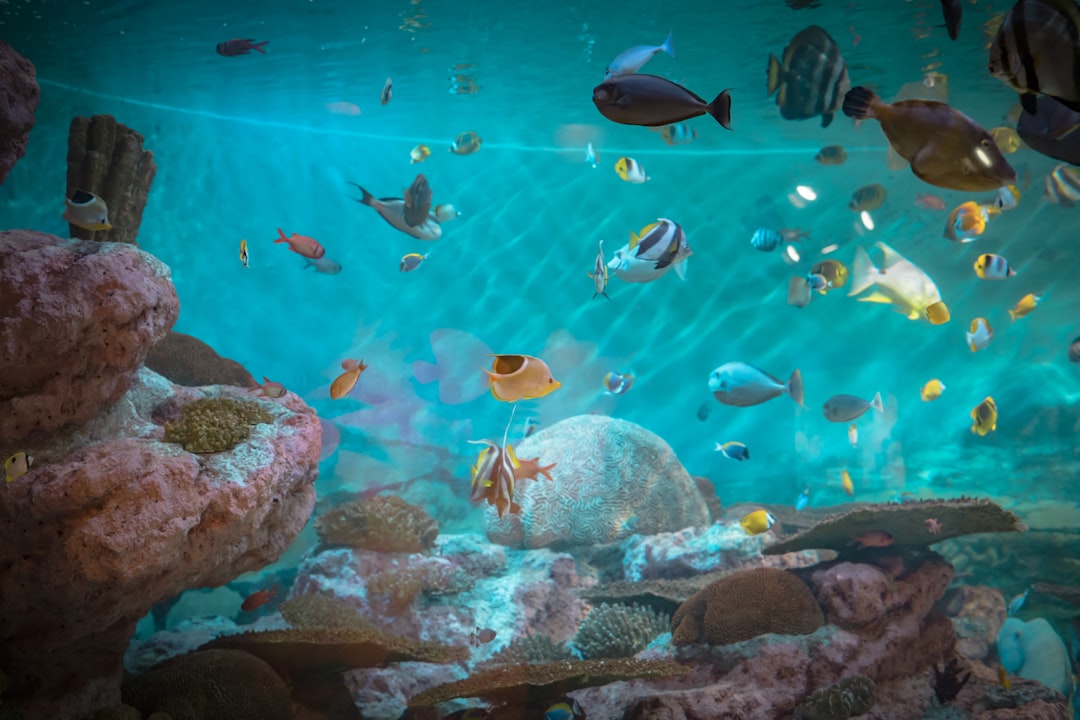
Walk into a typical Singapore aquarium shop, buy a new tank on Saturday, and the staff will often hand you a starter pack of small fish to “help cycle” the tank. The myth cycle with fish faster belief — that adding fish accelerates nitrogen cycle establishment — has been quiet shop policy for decades because it sells fish twice (the throwaway “cycling” fish, then the real stock). This guide from Gensou Aquascaping at 5 Everton Park dismantles the myth cycle with fish faster claim with cycle biology, fish welfare data, and the proper fishless cycle that takes the same time without poisoning stock.
The Myth
“You need fish to start the cycle. Add a few hardy small fish — danios, platies or feeder goldfish — and they kickstart the bacteria. The cycle finishes faster with fish in the tank than without.”
Why It Spreads
The myth has roots in 1970s-80s fishkeeping when fishless cycling protocols simply did not exist. Hobbyists added “feeder fish” because there was no other ammonia source available — but that was necessity, not optimal practice. Pet shops perpetuated the myth because it generated double sales (cycling stock plus replacement stock when most cycling fish died). The shop staff repeating the advice today usually believes it themselves, having been trained the same way.
The Reality
The nitrogen cycle is driven by bacteria colonising filter media and substrate. Those bacteria need an ammonia source — but ammonia is ammonia, whether it comes from fish waste or a bottle of pure ammonium chloride. Fish-in cycling does not run faster; it runs at the same 3-4 week pace. The difference is that during cycling, ammonia spikes to 4-8 ppm and nitrite spikes to 5-10 ppm — concentrations that scar fish gills permanently, suppress immune function, and often kill the cycling fish outright.
The Evidence
Controlled cycling experiments show identical bacterial colonisation timelines whether ammonia comes from fish waste or pure ammonium chloride dosing. The free ammonia threshold for fish gill damage is 0.05 ppm long-term and 0.25 ppm acute; cycling tanks routinely exceed both by orders of magnitude for two to three weeks. Fish welfare studies on “cycled with fish” tanks show 40-60 per cent mortality during the cycle window, with surviving fish carrying lifelong gill scarring that shortens lifespan by 30-50 per cent.
What to Do Instead
The fishless cycle: fill the tank with conditioned PUB water, add substrate and filter media, dose pure ammonia (Dr Tim’s Ammonium Chloride or aquarium-grade NH4Cl) to 2-4 ppm, test daily, top up ammonia as bacteria consume it, wait until both ammonia and nitrite read zero within 24 hours of dosing — typically week 4. Then do an 80 per cent water change and add fish. The water treatment range stocks the test kits and conditioners needed.
Edge Cases
Two narrow exceptions exist. First, “instant cycle” by transferring established media from a mature tank — the bacteria are already colonised, so adding fish immediately is safe. Second, very lightly stocked tanks (a single betta in 60 litres of heavily planted water) where plant uptake handles ammonia and nitrite never spikes meaningfully. Neither of these is the same as the fish-store “cycle with fish” advice.
The Singapore Angle
Local shop staff often push “feeder guppies” or “small platies” at SGD 1-2 each as cycling fish, particularly to first-time tank buyers. The fish almost never survive the cycle, and the buyer learns the wrong lesson — that “fish are hard to keep alive” rather than “the tank was not ready.” Fishless cycling protocol takes one online order of ammonia from Shopee at SGD 12 and a test kit at SGD 35.
Common Products That Perpetuate the Myth
“Quick start” bottled bacteria products marketed alongside cycling fish encourage the myth — the bottle implies fish can go in immediately if you also buy bacteria. Real bottled bacteria (Seachem Stability, Dr Tim’s One and Only, API Quick Start) genuinely seed the colony faster, but still need 5-10 days and proper ammonia dosing to actually cycle. The Seachem Stability product is honest about needing time.
Related Reading



