
“Myth: Fancy Goldfish Pond Survival Debunked Guide”
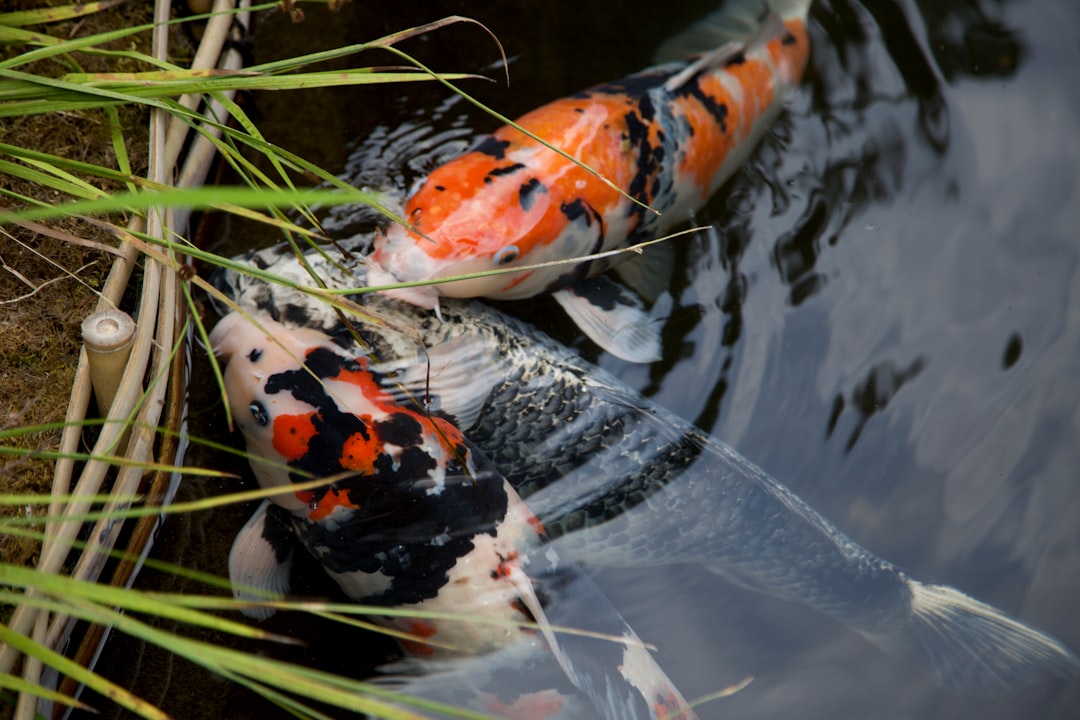
Walk through any koi pond at a temple or hotel courtyard in Singapore and you will sometimes see fancy goldfish — orandas, ranchus, telescope eyes — drifting unhappily alongside fast-moving koi. The myth fancy goldfish pond belief — that all goldfish thrive in outdoor ponds because their wild ancestors do — leads owners to dump delicate fancy varieties into completely unsuitable conditions. This guide from Gensou Aquascaping at 5 Everton Park unpacks the myth fancy goldfish pond claim by separating common and comet goldfish (which do well in ponds) from the fancy varieties that emphatically do not.
The Myth
“Goldfish are pond fish. Any goldfish — fancy oranda, telescope eye, ranchu, ryukin — does best outdoors in a pond with koi. Bigger water volume means healthier fish, and the natural environment beats any tank.”
Why It Spreads
The myth conflates two very different fish. Common and comet goldfish are streamlined, fast-swimming and bred from wild Carassius auratus stock that genuinely is a pond species. Fancy goldfish are the result of centuries of Chinese selective breeding for ornamental traits — short bodies, telescope eyes, headgrowth, double tails — that compromise swimming ability, vision and pressure resistance. Buyers see “goldfish” and assume identical husbandry. Pond ornamental retailers occasionally play to this confusion.
The Reality
Fancy goldfish suffer multiple disadvantages in pond conditions. Round bodies and double tails make them slow swimmers, unable to escape predators or compete with koi at feeding time. Telescope eyes (demekin) and bubble eyes are vulnerable to puncture from sharp pond debris and birds. Headgrowth (oranda, ranchu wen) collects bacterial infections in fluctuating outdoor temperatures. Most critically, they are popular targets for cats, herons, monitor lizards and otters that frequent Singapore residential ponds.
The Evidence
Vet records from koi-pond practices show fancy goldfish suffer 5-10x the rate of fungal infections, eye injuries and predation losses compared to common goldfish in the same pond. Ranchu and oranda buoyancy issues (swim bladder disorders) appear in 30-50 per cent of pond-housed individuals within two years, often correlating with cool water temperatures and high-protein koi pellet diets. Telescope-eye fish kept outdoors lose at least one eye to physical injury within an average 18 months.
What to Do Instead
Keep fancy goldfish indoors in dedicated tanks: 75 litres for the first fish, 40 litres per additional fish, gentle filtration without strong currents, sand substrate to prevent foraging injury, soft warm water held at 20-22°C, and feeding a sinking pellet diet appropriate to their compressed gut. Pond goldfish should be commons, comets and shubunkins only. Browse the aquarium tank range for properly sized fancy goldfish setups.
Edge Cases
Hardy fancy varieties — fantails and ryukins specifically — can survive in calm sheltered ponds with no koi competition, no predators and food specifically delivered to them. Some breeders in Japan and Hong Kong keep oranda and ranchu in shallow outdoor concrete vats rather than tanks, but those are predator-controlled, current-free, temperature-monitored systems with daily care. They are not the average residential garden pond.
The Singapore Angle
Local pond keepers often inherit fancy goldfish as gifts or impulse buys at temple fairs, then drop them into existing koi ponds. Singapore’s heavy storm runoff causes sudden temperature drops in shallow ponds, which fancy goldfish handle poorly. Otter predation in landed-house ponds along Pasir Ris and Sembawang has spiked in recent years — slow-swimming fancy varieties are easy targets compared to fast comets and koi.
Common Products That Perpetuate the Myth
“Pond goldfish assortment” packs at landscape garden centres at SGD 80-150 sometimes mix commons with fancies, leading buyers to assume all are pond-suitable. Generic “pond fish food” pellets target koi nutritional needs, not fancy goldfish — overfeeding causes the buoyancy issues. A proper indoor fancy goldfish setup with the aquarium tank range and goldfish-specific sinking pellets ensures the fish actually thrives.
Related Reading



