
Aquarium Fish Fin Anatomy Glossary Guide: Dorsal Pectoral Caudal
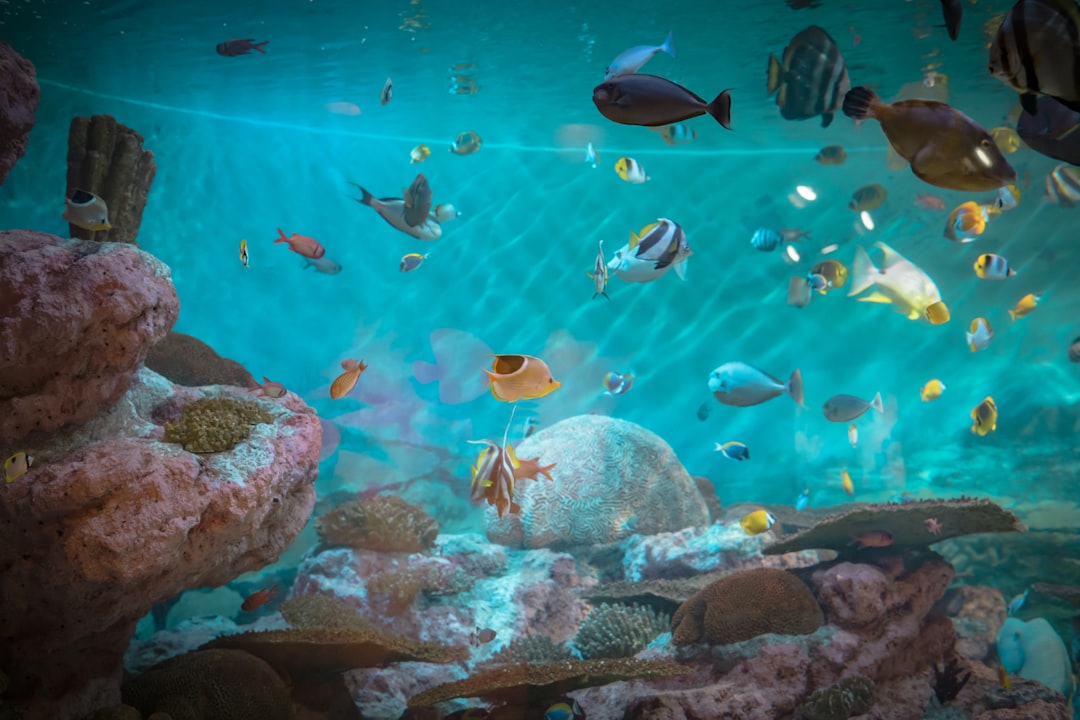
Fins are the language of the tank. A clamped dorsal, a torn caudal or a missing adipose tells you more about water quality and behaviour than any test strip. Mastering aquarium fish fin anatomy lets you read body language at a glance and identify species correctly when shop labelling is wrong. This glossary entry from Gensou Aquascaping at 5 Everton Park covers each fin, the difference between spines and soft rays, and how aquarium fish fin anatomy heals after damage in tropical Singapore tanks.
Definition in 50 Words
Fish fins are flexible appendages supported by bony or cartilaginous rays embedded in connective tissue. They divide into median (unpaired) fins on the midline — dorsal, anal, caudal and adipose — and paired fins — pectoral and pelvic. Each handles propulsion, steering, braking, balance, display or sensory functions.
Dorsal Fin: The Stabiliser
The dorsal fin sits on top of the fish, preventing roll during forward swimming. Many species carry two dorsals — a spiny anterior section and a soft-rayed posterior — as in cichlids and gobies. Sailfin mollies and bettas have exaggerated single dorsals shaped by selective breeding. A consistently clamped dorsal is the earliest visible sign of stress or ammonia exposure.
Caudal Fin: Tail Shapes Matter
The caudal fin powers swimming. Three forms dominate aquarium species. Homocercal (symmetrical lobes) is standard in most teleosts — tetras, gouramis, cichlids. Heterocercal (upper lobe larger) appears in primitive species like sturgeon and many sharks. Diphycercal (pointed, symmetrical around a straight spine) shows up in lungfish and bichirs. Betta tail variants — halfmoon, crowntail, plakat, rosetail — are all homocercal manipulations.
Anal Fin: Stability and Reproduction
The anal fin sits on the ventral midline behind the vent. It mirrors the dorsal in stabilising the fish. In livebearers (guppies, mollies, swordtails), the male anal fin elongates into a gonopodium for internal fertilisation. Spotting a gonopodium is the fastest way to sex juvenile livebearers from the livebearer collection.
Paired Fins: Pectoral and Pelvic
Pectoral fins sit just behind the operculum and act like aircraft ailerons — used for hovering, braking, fine steering and signalling. Bettas flare them during display. Pelvic (ventral) fins sit forward on the belly and provide pitch control. In gouramis, pelvic fins evolved into thread-like sensory feelers covered in taste receptors. Catfish modify pectoral spines into defensive locking weapons that can puncture skin.
Adipose Fin: The Forgotten One
The adipose fin is a small, fleshy, rayless lobe between dorsal and caudal in tetras, salmonids and some catfish. It long puzzled biologists; recent work shows it carries sensory neurons and aids fine flow detection. Its presence is a quick taxonomic check — neon tetras have one, danios do not. Never trim it; the wound rarely heals cleanly.
Spines vs Soft Rays
Fin rays come in two types. Spines are unbranched, unsegmented and stiff — sharp defensive structures in cichlids, perches and catfish. Soft rays are branched, segmented and flexible — used for swimming. Counting spines and rays (e.g. D. XII,11 means 12 dorsal spines plus 11 soft rays) is a standard ichthyological identification key. Hobby keys for discus and angel varieties rely on these counts.
Common Fin Damage in Tanks
Three insults dominate. Fin nipping from tetras, barbs and pufferfish leaves clean v-shaped tears. Fin rot from Aeromonas or Pseudomonas bacteria produces ragged, blackened, receding edges — usually triggered by elevated nitrate and dirty substrate. Long-finned strains snag on sharp décor; smooth driftwood and rounded stones from the decoration range reduce mechanical tearing.
Healing and Regeneration
Fish regenerate fin tissue from the wound edge through blastema formation, similar to amphibian limb regrowth. A clean tear in a betta caudal heals in 14-21 days at 27°C with stable water, often returning slightly paler at first. Stress and bacterial infection block regeneration. Maintain ammonia at 0 ppm, nitrate below 20 ppm, and add a daily dose of Seachem StressGuard for the first week to support mucus repair.
Singapore Considerations
Warm 28-30°C water speeds metabolism and regeneration but also bacterial proliferation. Long-finned bettas and angelfish kept in HDB flats with mid-tank current need a baffled outlet — a sponge cap on a canister return line cuts shear stress on trailing fins. Quarantine new arrivals from busy local shops to catch fin rot before it spreads through the display.
Related Reading



