ADA La Plata Sand vs Amazonia: When to Use Each
Pick Amazonia when the scape is plant-led and pick La Plata Sand when the scape is rock-led — that is the shortest answer to a question every new ADA-style aquascaper asks. This ADA La Plata Sand vs Amazonia comparison digs into the full reasoning: why La Plata works for Iwagumi with minimal stem plants, how Amazonia drives the ammonia-driven nutrient cycle, and the hybrid layouts that use both products in the same tank. Gensou Aquascaping in Singapore writes from a decade of building competition-style scapes using the ADA system.
Quick Facts
- Amazonia: active organic substrate, releases ammonia, drops pH
- La Plata Sand: inert fine silica sand, no chemistry effect
- Grain size — La Plata: 1-2 mm; Amazonia: 3-5 mm
- Amazonia ammonia spike: 4-8 ppm, 14-21 day cycle
- La Plata requires external fertilisation from day one
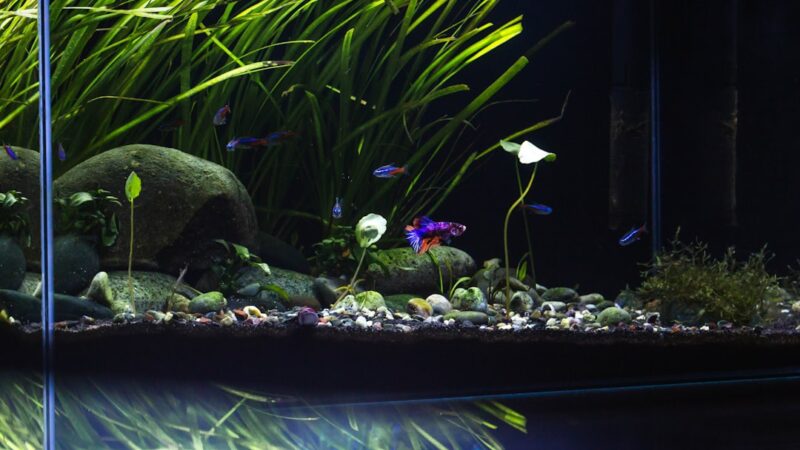
- Iwagumi with hardscape focus: La Plata alone is viable
- Plant-heavy Nature Aquarium: Amazonia base essential
Two Fundamentally Different Products
Amazonia is an active soil substrate baked from organic matter. It leaches nutrients, adjusts water chemistry, and feeds plants through root uptake for 18-24 months. La Plata Sand is pure inert silica sand — no nutrient content, no pH effect, no buffering. It is a cosmetic and structural medium, not a plant substrate.
Choosing between them starts with one question: will plant roots be the main driver of the scape’s growth, or will the layout rely on hardscape and slow-growing epiphytes?
When to Use Amazonia
Amazonia is the default for any scape with meaningful root-feeding plant mass. That includes stem-dominated Dutch layouts, carpet plants like Hemianthus callitrichoides and Eleocharis acicularis, and Cryptocoryne groupings. The acidic pH (6.0-6.5) and soft KH (1-2) it creates match tropical blackwater conditions many plants evolved in.
Shrimp keepers breeding Caridina cf. cantonensis lines specifically want the low pH and KH Amazonia produces. For these uses, any alternative is a compromise.
When to Use La Plata Sand
La Plata Sand shines in Iwagumi layouts where stones are the visual anchor and plants are limited to a low carpet like Glossostigma elatinoides or moss on rockwork. Without a heavy stem-plant bioload, the nutrient reserve of Amazonia is wasted and La Plata’s neutral chemistry gives a cleaner, more consistent look.
La Plata works for hardscape-focused layouts using Bucephalandra, Anubias and mosses epiphytically attached to wood and stone. These plants feed from the water column, not the substrate, so an inert base is perfectly adequate.
La Plata also suits biotope-correct setups for sand-bottom species like Corydoras, where a soft fine substrate is animal welfare rather than aesthetic.
Iwagumi Without Substrate Nutrients
The classic ADA Iwagumi example — three or five Manten or Seiryu stones on La Plata Sand with a single carpet species — works because low-demand carpets survive on water-column dosing alone. Dose liquid fertiliser from day one: ADA Brighty K for potassium, Green Brighty Mineral for traces, and a nitrate/phosphate source if the stocking level is low.
CO2 injection is mandatory. Carpets on inert substrate do not tolerate low CO2 like they do on Amazonia where root-fed NH4 drives growth anyway.
Hybrid Layering
A common middle ground uses Amazonia under planted areas and La Plata Sand at the foreground or as a dry-riverbed path. Separate the two with cosmetic rock or moss walls — loose sand migrates into soil within weeks if boundaries are not physical.
Pour Amazonia first, shape to final terrain, then add La Plata only in the zones that will be visibly bare. Use thin plastic dividers or stone edges to hold the boundary during aquascape filling.
Cycling Implications
Amazonia cycles itself in 14-21 days through its own ammonia release. La Plata tanks need conventional cycling via dosed ammonium chloride or seeded media — expect four to six weeks to stable parameters because the substrate does not contribute.
If doing a hybrid layout, cycle as an Amazonia tank; the soil’s ammonia dominates the cycle regardless of how much sand is present.
Maintenance Differences
Amazonia softens and loses grain integrity over 24-36 months; it needs replacement. La Plata is permanent — wash and reuse indefinitely across multiple scapes. Amazonia requires fert adjustment as it depletes; La Plata runs on a constant water-column dosing regime from day one.
Cost and Local Availability
Both are carried at Green Chapter and several Thomson aquascaping shops. Amazonia 9L sits around $40-$45; La Plata Sand 8 kg around $30-$35. Amazonia goes further per tank because depth matters less than area — 18 litres covers a 60 cm tank. La Plata is priced by weight and a typical 60 cm Iwagumi uses 16-20 kg.
Making the Call
If plants dominate the visual plan, choose Amazonia. If stones and hardscape dominate with minimal carpet, choose La Plata. If you are torn, default to Amazonia — it is more forgiving of planting mistakes and supports a wider range of future scape choices.
Related Reading
ADA Aquasoil Amazonia Substrate Guide
Active vs Inert Substrate Aquarium
Iwagumi Aquascape Step by Step Guide
ADA Fertiliser System Guide
How to Choose Aquarium Substrate