How to Choose Aquarium Substrate: Soil vs Sand vs Gravel Compared
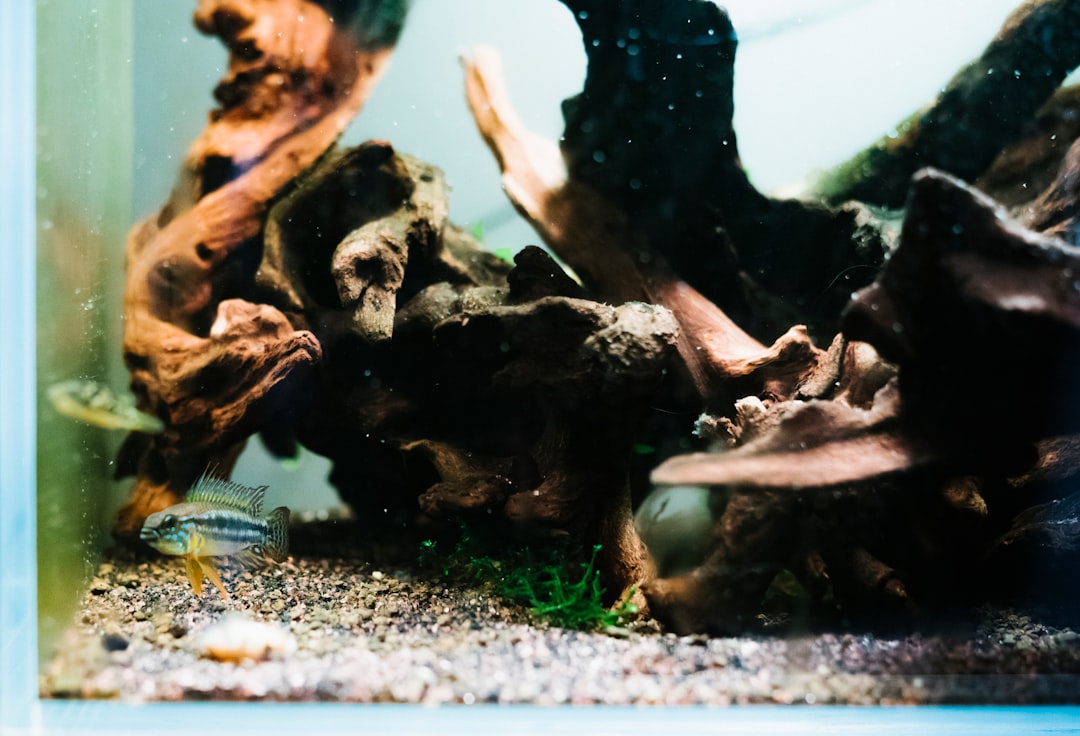
Substrate is the foundation of your aquarium — it influences plant growth, water chemistry, fish behaviour and the overall look of your aquascape. Choosing wrong means fighting problems for months. This choose aquarium substrate guide from Gensou Aquascaping at 5 Everton Park compares every major option to help you pick the right one. This guide sits inside our broader Planted Tank Complete Hub reference.
Aqua Soil (Active Substrate)
Best for: Planted tanks, aquascaping, shrimp tanks.
Aqua soil is baked clay infused with nutrients. It lowers pH and softens water, making it ideal for plants, Caridina shrimp and soft-water fish. Popular brands in Singapore include ADA Amazonia, Tropica Aquarium Soil, SL Aqua and GEX Plant Soil. Plants root quickly in the granular texture and feed from the rich nutrient base. The downside: it breaks down over 12–18 months, leaches ammonia during the first two to four weeks (requiring cycling before adding livestock), and is more expensive than inert substrates at $15–$40 per bag.
Sand
Best for: Fish-only tanks, Corydoras, loaches, stingrays, cichlids, cosmetic foregrounds.
Sand creates a clean, natural look and is essential for bottom-dwelling fish that sift or burrow. Pool filter sand, play sand and speciality aquarium sand are all options. It does not provide nutrients, so root-feeding plants need root tabs. Fine sand can compact and develop anaerobic pockets if not stirred occasionally — Malaysian trumpet snails help prevent this by burrowing through it. Sand is the cheapest substrate, costing $5–$10 for enough to fill a 60 cm tank.
Gravel
Best for: General community tanks, goldfish, easy-care setups.
Natural gravel in 3–5 mm grain size is the traditional aquarium substrate. It is inert, lasts forever, and allows water flow through the bed, preventing anaerobic zones. Plants can grow in gravel with root tabs, though they root less securely than in soil or sand. Coloured and coated gravel is available but can chip over time and look unnatural. Stick to natural tones — black, brown or mixed river gravel — for the most realistic appearance.
Crushed Coral and Aragonite
Best for: African cichlid tanks, marine tanks, livebearers that need hard alkaline water.
These calcium-carbonate-based substrates slowly dissolve and raise pH, KH and GH. They are essential for Lake Malawi and Tanganyika cichlid tanks that need alkaline conditions. Not suitable for planted tanks or soft-water species. They serve as both substrate and water chemistry buffer.
Mixing Substrates
Many aquascapers use aqua soil in the planted areas and a cosmetic sand path or foreground for visual contrast. Separate the two with small stones, hardscape boundaries or plastic dividers buried in the substrate. Over time, some mixing is inevitable — especially with active fish that dig. Gravel can be layered beneath aqua soil as a cost-saving base layer in deeper substrate sections at the back of the tank.
How Deep Should Substrate Be?
For planted tanks, aim for 3–5 cm in the foreground and 5–8 cm at the back. This slope creates depth illusion and provides adequate rooting space. For fish-only tanks, 2–3 cm of sand or gravel is sufficient. Going too deep wastes substrate and increases the risk of anaerobic pockets. Going too shallow means plants uproot easily and substrate looks patchy.
When to Replace Substrate
Aqua soil breaks down after 12–24 months, turning mushy and losing its nutrient content and buffering capacity. When pH stops dropping after water changes and plants show nutrient deficiency despite dosing, it may be time to replace. Sand and gravel last indefinitely — just rinse occasionally during water changes if debris accumulates. A full substrate change is a major disruption, so plan it alongside a rescape for efficiency.
Related Reading