
Aiptasia Berghia Nudibranch Biocontrol Guide
When peppermint shrimp refuse to eat Aiptasia and chemical injections become impractical on a heavily infested rock, the quiet, ghostly white nudibranch becomes the only real option left. Proper aiptasia berghia nudibranch biocontrol is less about dumping Berghia into the tank and hoping, and more about understanding a fragile animal that only eats one thing, lives a few months, and asks you to match its numbers to your anemone population precisely. This guide from Gensou Aquascaping at 5 Everton Park draws on live observations of Berghia colonies established in local reef tanks from Serangoon to Sentosa.
What Berghia Actually Is
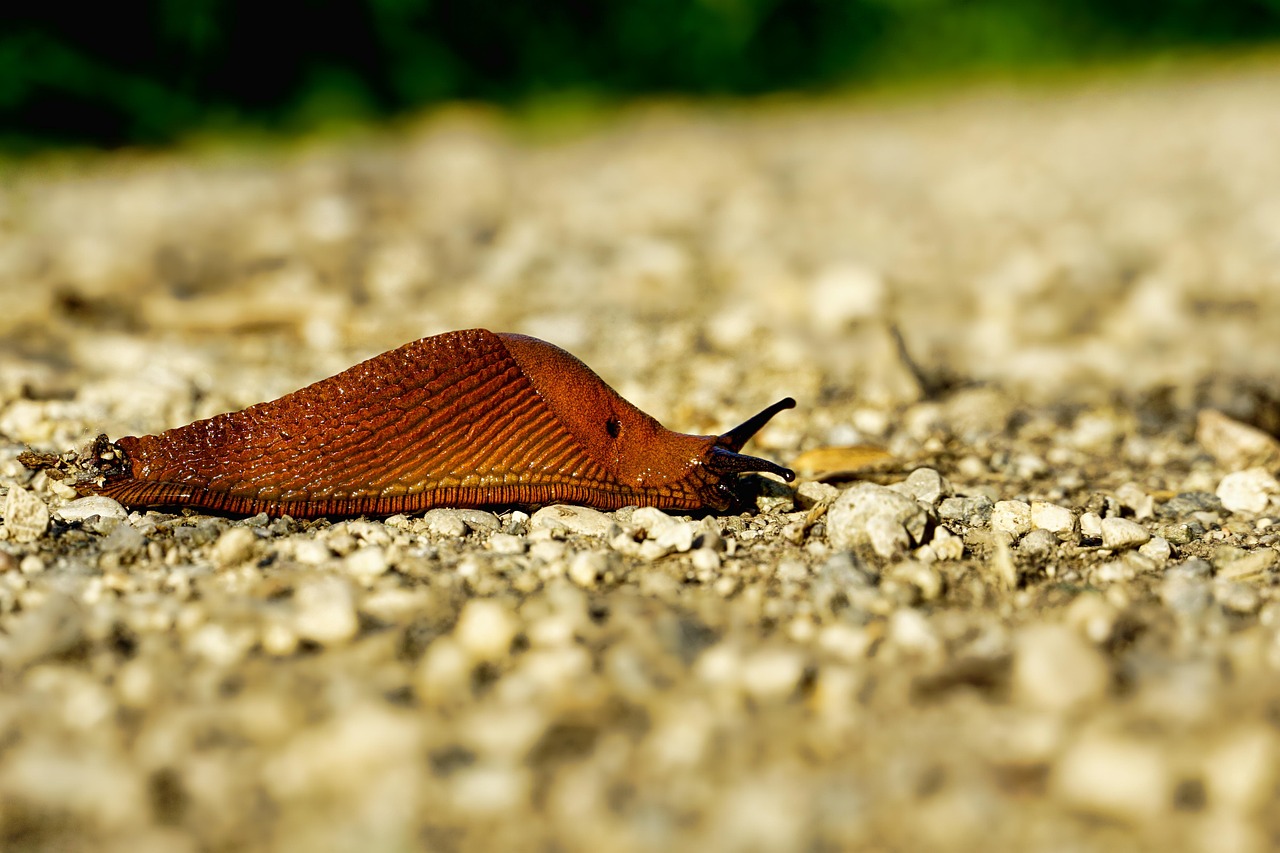
Berghia stevensae, previously classified as Berghia verrucicornis, is an aeolid nudibranch that feeds exclusively on Aiptasia anemones. It grows to around two centimetres, is translucent white with orange-tipped cerata, and lays spiral egg masses on rock surfaces. Unlike most nudibranchs, Berghia is captive-bred commercially and rarely sourced wild, which makes stock reliable but not cheap.
Why Berghia Works When Other Biocontrols Fail
Peppermint shrimp eat Aiptasia about half the time, more often declining in favour of easier food. Copperband butterflies are reef-unsafe around many corals and stop eating Aiptasia once full. Berghia literally cannot eat anything else; starvation or anemones are the only options. This single-mindedness makes them effective, but it also means every Berghia dies when you run out of Aiptasia, which is the goal.
Sourcing in Singapore
Local supply is limited. A handful of hobbyist breeders advertise on Carousell and in Facebook reef groups, with prices typically $15 to $25 per individual and discounts for packs of five or ten. Overseas imports from established breeders like ReeftoReef in the US are possible but expensive once shipping is included. Always buy from a source that photographs their stock and provides at least three animals; solitary Berghia cannot breed.
Stocking Density
The rule of thumb is one Berghia per 50 litres of infested tank, with a minimum of three to five individuals for breeding. For a 200-litre reef with 30 visible Aiptasia, five Berghia is a sensible start; for a 500-litre build with widespread infestation, ten to fifteen. Under-stocking simply delays results because Berghia breed relatively slowly under tank conditions. Our peppermint shrimp guide covers when to combine biocontrols.
Drip Acclimation Is Mandatory
Berghia are exquisitely sensitive to salinity and pH shifts. Drip-acclimate over a minimum of 90 minutes, targeting 60 to 80 drops per minute. Release them directly onto an Aiptasia-covered rock at lights-out so they find food quickly. Never net them; use a plastic pipette to transfer, or pour water and nudibranch together from the acclimation container. A Berghia that cannot find food within 48 hours often does not survive.
What Works Against Berghia
Wrasses of most species, especially six-lines, pygmies and fairies, will eat Berghia on sight. Peppermint shrimp sometimes attack them, as do cleaner shrimp. Powerheads with unguarded intakes draw them in; gyre pumps and MP-series pumps are notorious. Overflow boxes pull them into the sump where they simply starve. Cover intakes with sponge pre-filters and plan fish compatibility before introducing Berghia, not after.
Tank Conditions They Need
Stable salinity between 1.024 and 1.026, temperature between 24 and 27 degrees, pH above 8.0, and minimal current in at least some sections of the rockwork. Very high-flow SPS tanks at 60x turnover are difficult for Berghia; slower-flow mixed reefs and soft coral tanks suit them. Avoid chemical dosing of iodine at therapeutic levels and any copper residue, both of which kill nudibranchs rapidly.
Timeline to Results
Expect to see reduced Aiptasia numbers within four to eight weeks and meaningful control by three months. Berghia work at night and hide in rockwork during the day, so visual confirmation often requires a blue-light torch at 11pm. Look for transparent white slugs on Aiptasia-bearing rock; eggs appear as spiral orange-white coils on rock. Breeding in-tank is the sign the colony has established.
Combining With Other Methods
Berghia handle small-to-medium Aiptasia well but struggle with giant specimens over three centimetres across. Pre-treat the largest visible Aiptasia with spot injection methods covered in our pest guides and Aiptasia-X protocols, then release Berghia to handle the remaining small-to-medium population and any regrowth. The pest identification guide helps prioritise targets.
Post-Eradication What Happens
Once Aiptasia are gone, Berghia starve within two to three weeks. Some keepers harvest breeding animals to pass on to other reefers; a few keep a dedicated Aiptasia-bearing frag plug in a refugium to sustain a maintenance colony. Most simply let the population die back and accept that any future Aiptasia outbreak requires fresh stock. Either approach is valid.
Common Failure Modes
The most frequent failures are: under-stocking below three individuals so the population cannot breed; unguarded pump intakes; introducing wrasses afterwards; and giving up too early at six weeks. Berghia work, but on their own timeline. Patience distinguishes successful biocontrol from wasted money.
Related Reading
- Peppermint Shrimp Care Guide Reef
- Nudibranch Sea Slug Aquarium Guide
- Aquarium Pest Identification Guide
- Marine Cleanup Crew Stocking Guide
- Best Coral Dip Solution Pest Removal



