
Peppermint Shrimp Care Guide: Lysmata Wurdemanni Aiptasia Control
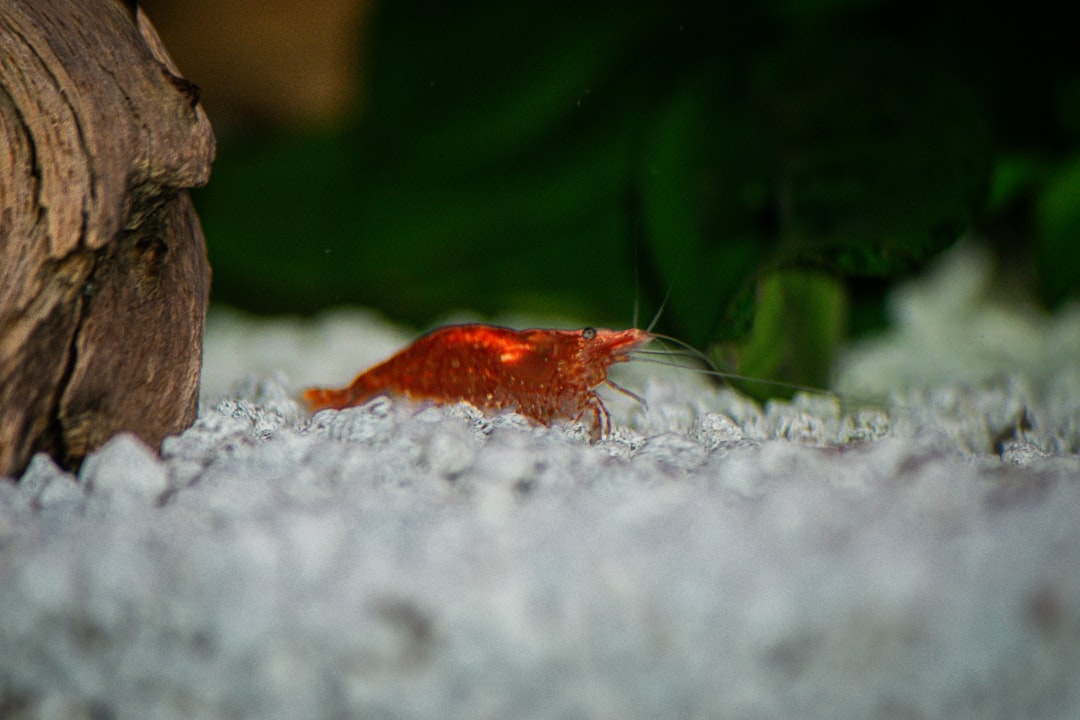
Few reef invertebrates earn their keep quite like the peppermint shrimp. This small, translucent crustacean with distinctive red striping has become one of the most sought-after clean-up crew members for its appetite for pest anemones. If you have been battling aiptasia outbreaks in your reef, this peppermint shrimp care guide from Gensou Aquascaping at 5 Everton Park, Singapore will walk you through selection, acclimation and long-term husbandry. With over 20 years of hands-on experience maintaining reef systems in Singapore’s tropical climate, we have seen first-hand how effective these shrimp can be when housed correctly.
Species Identification and What You Are Actually Buying
The true peppermint shrimp, Lysmata wurdemanni, is the species most reliably reported to consume aiptasia. However, several look-alikes are sold under the same common name. Lysmata boggessi and Lysmata rathbunae share similar colouration but show little interest in pest anemones. When purchasing from local fish shops around Serangoon North Avenue 1 or online through Carousell, ask specifically for L. wurdemanni and examine the striping pattern. True peppermints display clean, continuous red lines that do not break into spots or dashes along the carapace.
Tank Requirements and Water Parameters
Peppermint shrimp are hardy by reef invertebrate standards, tolerating a reasonable range of conditions. Aim for a salinity of 1.024-1.026 specific gravity, temperature of 24-27°C, and pH between 8.1 and 8.4. In Singapore, where ambient room temperatures often sit at 28-32°C, you will likely need a small chiller or cooling fan to keep your reef tank within this range. Calcium should be maintained at 380-450 ppm and magnesium at 1250-1350 ppm, as these shrimp moult regularly and need minerals to form new exoskeletons.
A minimum tank size of 40 litres works for a pair, though they thrive in larger community reef setups. Provide plenty of rockwork with caves and overhangs where the shrimp can retreat during the day, as they are naturally nocturnal.
Acclimation: Getting It Right the First Time
Shrimp are far more sensitive to sudden salinity and pH shifts than most fish. Drip acclimation over 60-90 minutes is essential. Float the bag for 15 minutes to equalise temperature, then set up a slow drip at roughly two drops per second. Singapore’s PUB tap water is irrelevant here since you are working with pre-mixed saltwater, but ensure your reef’s parameters are stable before introducing any invertebrate. Losses from poor acclimation are the single biggest reason hobbyists report peppermint shrimp dying within the first 48 hours.
Aiptasia Control: Setting Realistic Expectations
A well-chosen peppermint shrimp can clear a moderate aiptasia infestation within two to four weeks. Smaller aiptasia colonies are consumed more readily than large, established specimens with thick columns. For heavy infestations, introduce a group of three to five shrimp to increase predation pressure. Not every individual will eat aiptasia immediately; some need a few days of hunger before they begin targeting pest anemones. Avoid heavy feeding during the first week to encourage natural foraging behaviour.
Once the aiptasia is gone, the shrimp transition to scavenging leftover food, detritus and film algae. They will not starve in a well-stocked reef.
Feeding and Nutrition
Beyond aiptasia, peppermint shrimp accept a wide variety of foods. Offer small pieces of frozen mysis, brine shrimp or finely chopped seafood two to three times per week. They are opportunistic feeders and will pick at coral mucus, uneaten pellets and biofilm. In a mature reef with ample live rock, supplemental feeding can be minimal. Overfeeding reduces their motivation to hunt aiptasia, so strike a balance.
Reef Compatibility and Tankmates
Peppermint shrimp are generally reef-safe, though occasional reports of nipping at soft corals like zoanthids and mushrooms surface in hobbyist forums. This behaviour is more common in starved specimens or misidentified species. Safe tankmates include clownfish, gobies, blennies and other peaceful reef inhabitants. Avoid housing them with aggressive predators such as hawkfish, large wrasses or triggerfish, which will make a quick meal of any shrimp. Other cleaner shrimp species like Lysmata amboinensis coexist peacefully.
Moulting and Health
Healthy peppermint shrimp moult every three to five weeks. A freshly moulted shrimp is soft-bodied and vulnerable, so adequate hiding spots are critical during this period. If you notice failed moults, where old exoskeleton remains partially attached, check your iodine levels. Dosing iodine at 0.04-0.06 ppm can support the moulting process. Sudden deaths after moulting often point to low magnesium or unstable alkalinity rather than disease.
Breeding in the Home Reef
Peppermint shrimp are protandric simultaneous hermaphrodites, meaning individuals function as both male and female once mature. Berried females carrying green egg clusters under their swimmerets are a common sight in established groups. While larvae rarely survive in a display tank due to filtration and predation, dedicated hobbyists have raised them in separate kreisel-style containers using freshly hatched brine shrimp nauplii. Commercially bred specimens are increasingly available in Singapore at around $8-15 SGD each, making captive-bred stock a worthwhile choice for sustainability-conscious reef keepers.
Common Mistakes to Avoid
Purchasing the wrong species tops the list. Always verify identification before buying. Adding shrimp to an uncycled or newly set-up tank invites disaster, as ammonia and nitrite spikes are lethal to invertebrates. Skipping drip acclimation, overfeeding and housing with aggressive predators round out the most frequent errors. With patience and stable water chemistry, peppermint shrimp are rewarding, low-maintenance additions that genuinely earn their place in the clean-up crew.
Related Reading
- Peppermint Shrimp Care Guide: Reef-Safe Cleanup With Aiptasia Control
- Amano Shrimp Breeding Challenges: Larval Stages and Saltwater Phase
- How to Breed Amano Shrimp: The Challenging but Rewarding Process
- Amano Shrimp Breeding: Why It Is So Difficult and How to Try
- Amano Shrimp vs Cherry Shrimp: Which Is Better for Your Tank?



