
Apistogramma Agassizii Care Guide: Dwarf Cichlid for Planted Tanks
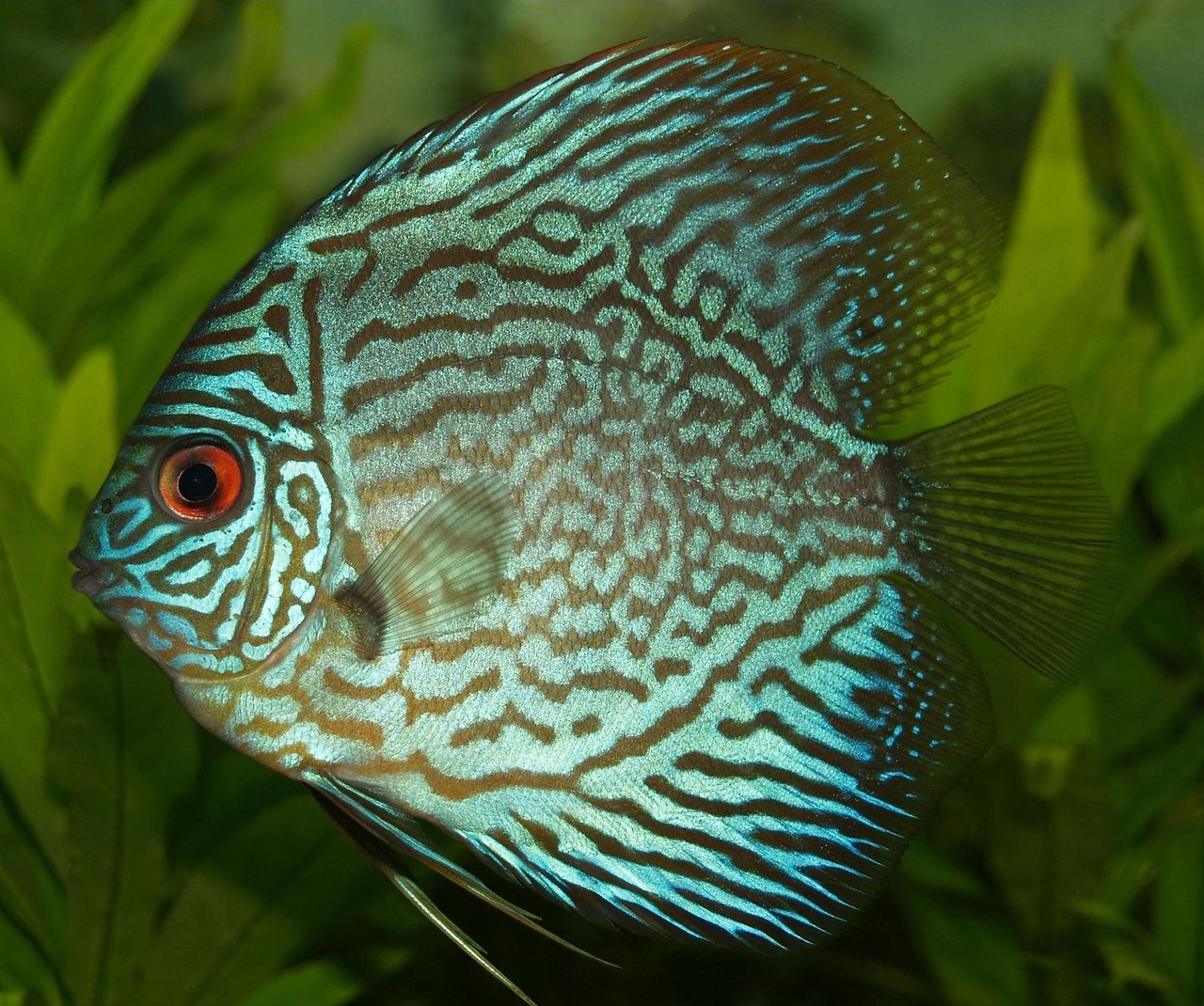
With a spade-shaped tail edged in fiery orange and iridescent blue flanks that shimmer under aquarium lighting, Apistogramma agassizii is one of the most visually striking dwarf cichlids available in the hobby. This apistogramma agassizii care guide explains how to keep and breed these fish successfully in Singapore, where our soft tap water and warm climate already replicate much of their native Amazonian habitat. At Gensou Aquascaping, 5 Everton Park, Singapore, we stock several colour variants and can advise on pairing and tank setup. This guide sits inside our broader Tropical Fish Species Master Index reference.
Species Profile
Apistogramma agassizii was first described by Steindachner in 1875 and is named after the naturalist Louis Agassiz. Males grow to 7-9 cm, females to 5-6 cm. They inhabit slow-moving creeks and leaf-litter zones in the Amazon basin, particularly in Peru and Brazil. Popular aquarium strains include Fire Red, Double Red, Blue and Gold — each selectively bred for intensified colour on the tail and body.
Compared to A. cacatuoides, A. agassizii is slightly more demanding in water quality but rewards the keeper with arguably more elegant finnage and more complex social behaviour.
Tank Requirements
A 60 cm tank (55-60 litres) works for a single pair. For a harem setup — one male with two or three females — use a 90 cm tank to provide adequate territory. Dense planting, driftwood tangles and at least one cave per female are essential. Terracotta pots, coconut shells and commercially available apisto caves all serve as spawning sites.
Use a fine sand substrate, ideally 1-2 mm grain, so the fish can exhibit their natural substrate-sifting behaviour. Scatter Indian almond leaves across the bottom to create a leaf-litter layer that provides cover for fry, releases tannins and fosters biofilm growth — a natural food source for both adults and juveniles.
Water Parameters for Singapore Keepers
This is where our local conditions shine. PUB tap water provides GH 2-4 and KH 1-3, which is already close to ideal for A. agassizii. Target pH 5.5-6.8, temperature 25-28 °C and GH below 6. Tank-bred specimens tolerate a slightly wider range, but wild-caught fish — occasionally imported through local distributors — do best at pH 5.5-6.0 with near-zero KH.
Adding catappa leaves or alder cones to the filter compartment gently acidifies the water without chemical additives. Always condition tap water with a product that neutralises chloramine, not just chlorine.
Feeding for Colour and Condition
A varied diet is the single biggest factor in maintaining vibrant colour. Use high-quality micro pellets or granules as a daily base. Supplement with frozen bloodworms, daphnia and brine shrimp three to four times per week. Live foods — especially grindal worms and freshly hatched baby brine shrimp — trigger breeding condition faster than any prepared food.
Feed twice daily in small portions. A. agassizii are deliberate eaters; they pick food from the substrate rather than rushing to the surface. Sinking pellets suit their feeding style better than flakes.
Behaviour and Compatible Tank Mates
Males establish territories centred on a prominent piece of hardscape and display to passing females with spread fins and lateral body shimmies. Aggression is moderate — mostly ritualised flaring and chasing rather than physical harm. Provide broken sight lines with plants and wood so subordinate fish can escape the dominant male’s view.
Good tank mates include small, peaceful species that occupy the mid and upper water column: cardinal tetras, rummy-nose tetras, pencilfish and hatchetfish. Bottom-dwelling Corydoras species coexist well, though females may chase them away from caves during spawning. Avoid mixing with other Apistogramma species in the same tank — hybridisation and territorial conflicts are likely.
Breeding in the Home Aquarium
Condition the pair with live and frozen foods for two weeks. When ready, the female’s body turns a deep golden yellow, and she begins frequenting a chosen cave. Spawning typically occurs on the cave ceiling: the female lays 50-100 reddish eggs, and the male fertilises them during brief entries.
At 27 °C, eggs hatch in roughly 60-72 hours. Fry absorb their yolk sacs over three to four days before becoming free-swimming. Feed them infusoria or commercially available liquid fry food for the first week, then graduate to baby brine shrimp. The female provides dedicated parental care, herding the cloud of fry around the tank. The male may assist with perimeter defence or be chased off entirely — both behaviours are normal.
Separate the fry into a grow-out tank at four to six weeks if the main tank houses other fish that might prey on juveniles. Fry reach sellable size (2-3 cm) in about three months.
Health and Disease Prevention
Like most dwarf cichlids, A. agassizii is sensitive to poor water quality. Weekly water changes of 25-30 percent are non-negotiable. Watch for signs of stress: clamped fins, loss of colour, hiding excessively or refusing food. Common ailments include columnaris (cotton-like patches), internal parasites and hexamita. Quarantine all new arrivals for at least two weeks and treat prophylactically with a mild anti-parasitic if the source is uncertain.
Maintain consistent parameters — sudden pH swings are more dangerous than a slightly sub-optimal but stable value.
Where to Start
If this apistogramma agassizii care guide has convinced you to try the species, begin with a tank-bred pair in the Fire Red or Double Red variety — they are hardier, more colourful and more readily available in Singapore than wild imports. Set up the tank at least two weeks before adding the fish, cycle it fully, and have caves and leaf litter in place from day one.
Drop by Gensou Aquascaping at 5 Everton Park to browse our current Apistogramma stock and pick up catappa leaves, spawning caves and everything else you need for a successful dwarf cichlid tank.
Related Reading



