
Aquarium Baby Room Safety Newborn Singapore Guide: Hush and Lock
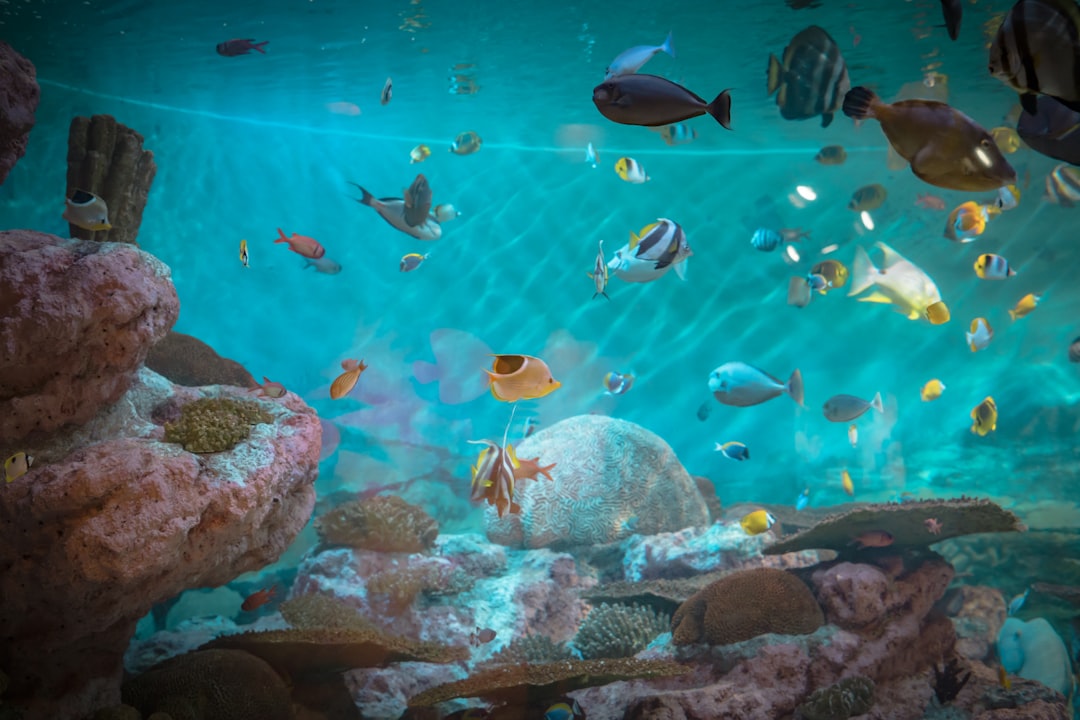
An aquarium beside a cot looks lovely on Pinterest and creates an unacceptable hazard cluster in real life. The aquarium baby room safety newborn question comes up frequently with first-time parents who want the calming visual benefit without compromising sleep safety. The honest answer: tank-in-nursery is workable with careful planning, but tank-beside-crib is not. Singapore HDB master bedrooms typically run 9-12 m2, leaving room to position both crib and tank with appropriate separation. This guide from Gensou Aquascaping at 5 Everton Park covers the aquarium baby room safety newborn setup parameters covering distance, noise, EMF, leak risk and the falling-object hazard that catches new parents off guard.
Why Crib-Adjacent Placement Fails
Four hazards stack when a tank sits within reach of a crib. Glass shatter from a thrown toy, leak water dripping into the cot zone, low-frequency pump noise disrupting REM sleep, and the falling-object risk if the tank is on a wall-mounted shelf above the cot. None of these are individually catastrophic; combined, they outweigh the calming visual benefit. Position the tank at least 1.5 metres from the crib edge, and ideally on the opposite wall.
Sponge Filter Silence
Newborns wake at 35-45 dB ambient noise. Standard canister filters run at 30-40 dB and are usually fine; HOB filters with their splash arc run at 45-55 dB and are not. Air-driven sponge filters with a quality silent air pump (Schego Optimal at SGD 60-80, or Atman HP-4000 at SGD 35-50) sit at 25-35 dB — the gold standard for nursery installations. The aquarium filter range stocks sponge filters and the matching silent air pumps in the SGD 25-90 bracket.
Stand Stability and Toddler Climb Phase
By 12-18 months, the nursery tank faces its second risk window: the climbing phase. Anchor the stand to the wall with two L-brackets driven into structural studs. Place no climbable furniture (chest of drawers, low chair, toy box) within reach of the tank stand — toddlers use intermediate furniture as ladders. The child safety deep guide covers the broader toddler-phase mitigations.
EMF and the Sleep Question
Aquarium equipment generates extremely low-frequency electromagnetic fields from pumps, heaters and LED drivers. Field strength drops with the inverse square of distance — at 1.5 metres separation, EMF exposure from a tank is well below typical household appliances and below WHO precautionary thresholds. Crib-adjacent placement (within 30 cm) does push EMF into the same range as a phone charger left on the bedside table, which is the practical motivation for the 1.5 m minimum.
Leak Risk and Floor Damage
Carpeted nurseries soak up leaks before sensors trigger. Place a drip tray under the cabinet (covered in the leak prevention guide) and a Wi-Fi water sensor at floor level. For the first 6-12 months when the baby spends most time in the cot, prioritise sensor coverage above any other monitoring. A leak that damages the nursery flooring also forces an unscheduled room move — disruptive at any baby age.
ATO Automation Reduces Maintenance Frequency
An auto top-off unit (SGD 80-180) eliminates the daily evaporation top-up, reducing the number of times anyone needs to enter the nursery to maintain the tank. ATO pairs naturally with sponge filter setups for fully silent low-touch operation. Pair the ATO with a smart socket so the sound of the float-switch refill cycles can be paused during nap times.
Lighting Schedule and Sleep Cycles
Programmable LEDs ramping from 7am to 9pm work well for awake-time visual stimulation while leaving the room dark for naps. Avoid blue-spectrum lighting during evening hours — both for fish circadian rhythm and for the baby’s developing sleep cues. The lighting range includes sunrise-sunset programmable WRGB units suitable for nursery schedules.
Stocking Choices for Low-Maintenance Nurseries
Choose hardy, low-bioload species that tolerate occasional missed water changes during baby-care chaos. Endler livebearers, low-density harlequin rasbora schools, and a small bristlenose pleco for algae make a viable nursery community. Avoid high-maintenance picks like discus, marine systems or CO2-injected planted tanks during the first two postnatal years.
The Honest Recommendation
For most SG nurseries, a 30-60 litre planted tank with sponge filter, ATO and Wi-Fi leak sensor on a wall-anchored stand at 1.5+ metres from the crib is the right balance. Smaller tanks reduce every hazard parameter at once and are easier to maintain on disrupted parental sleep schedules. Plan an upgrade to a larger setup when the child is school-age and can participate in the hobby actively.
Related Reading



