DIY Aquarium Background Painting: Step-by-Step Acrylic Method
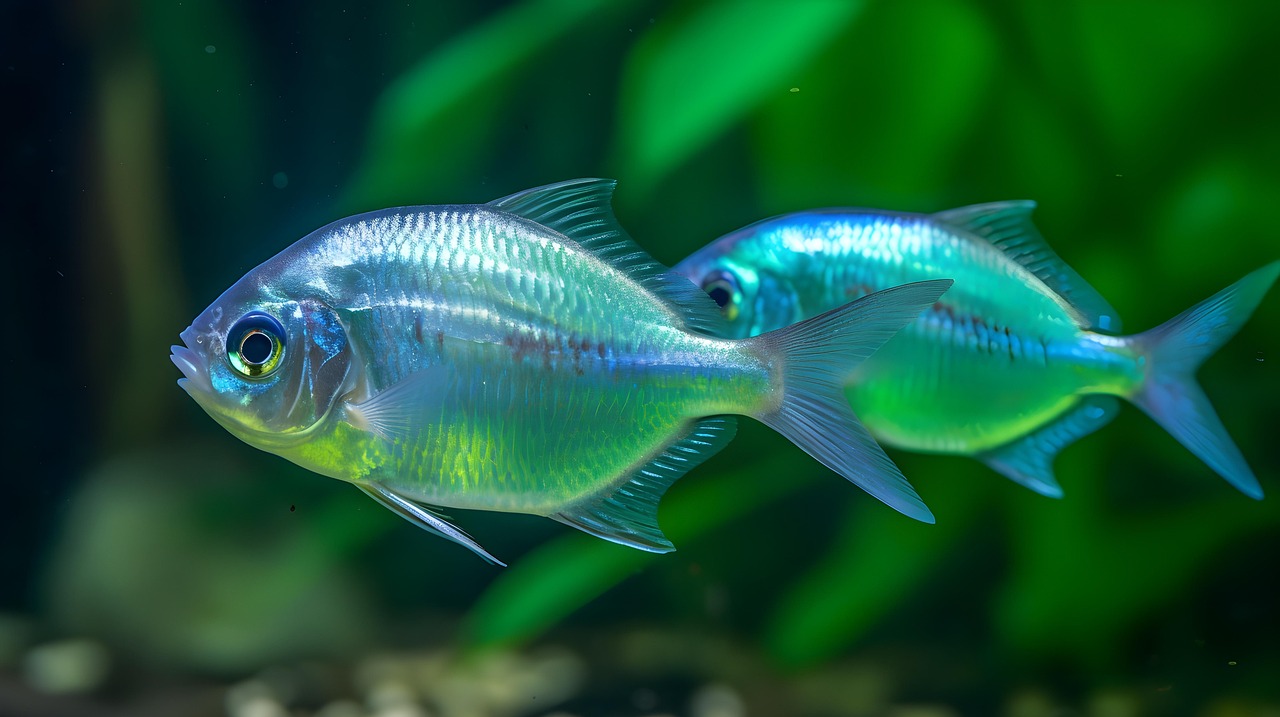
A painted background is the simplest upgrade that makes the biggest visual difference to any aquarium. It hides equipment, cables, and the wall behind the tank while giving your aquascape a clean, professional backdrop. This DIY aquarium background painting guide from Gensou Aquascaping at 5 Everton Park, Singapore, uses affordable acrylic paint applied to the outside of the glass — no special skills required, and the result beats stick-on backgrounds in every way. The whole project takes under an hour and costs less than $15 SGD.
Why Paint Beats Other Background Options
Stick-on poster backgrounds trap air bubbles, peel at the edges over time, and look cheap up close. Foam 3D backgrounds are bulky, expensive, and reduce tank volume. Paint, applied to the exterior glass, creates a perfectly smooth, permanent finish with zero thickness. It does not degrade, never peels if applied correctly, and can be scraped off with a razor blade if you change your mind years later.
Choosing the Right Colour
Black is the most popular choice for good reason — it makes fish colours pop, hides equipment completely, and gives the illusion of infinite depth. Dark blue works well for biotope and marine-inspired setups. White or frosted creates a bright, modern look favoured in competition aquascaping, though it shows every algae spot and cable behind the tank.
Avoid greens, reds, or overly bright colours. They compete with the aquascape itself and can cast unnatural reflections inside the tank. If you are unsure, black is never the wrong answer.
Materials You Need
Gather these before you start: a small tin or tube of acrylic paint (not oil-based), a foam roller (10 cm wide works well for most tanks), a paint tray or disposable plate, painter’s tape, newspaper or plastic sheeting, glass cleaner, and a lint-free cloth. Total cost at any hardware shop like Home-Fix or Mr DIY in Singapore is typically $10-15 SGD.
Use standard acrylic craft paint or wall paint — both work perfectly on glass. Ensure the label says “acrylic” and not “enamel” or “lacquer.” Acrylic adheres well to glass, dries quickly, and peels off cleanly if you ever want to remove it.
Preparing the Glass Surface
Clean the outside of the back glass panel thoroughly with glass cleaner. Remove every trace of dust, fingerprints, and residue — paint will not adhere properly to a dirty or greasy surface. Dry the glass completely with a lint-free cloth. Even small water droplets under the paint cause bubbles that show from the inside.
Apply painter’s tape along all four edges of the back panel to protect the silicone seams and adjacent glass. Lay newspaper or plastic on the floor beneath the tank to catch drips.
Applying the Paint
Pour a small amount of paint into your tray. Load the foam roller lightly — too much paint causes drips and uneven coverage. Roll in one direction, using smooth, overlapping strokes from top to bottom. The first coat will look patchy and translucent. Do not panic and do not try to fix it by adding more paint. Let it dry completely — about 20-30 minutes in Singapore’s humid climate.
Apply a second coat using the same technique, rolling perpendicular to the first coat (side to side if the first was top to bottom). Two coats provide adequate opacity for most colours. Black may need a third coat for truly solid coverage. Check from the front of the tank between coats to spot thin areas.
Drying and Finishing
Allow the final coat to dry for at least two hours before removing the painter’s tape. Peel the tape slowly at a 45-degree angle to avoid pulling up paint at the edges. If any paint has seeped under the tape onto the silicone, a razor blade cleans it up easily once dry.
Inspect the finished background from inside the tank with the lights on. Any thin spots or missed areas will be obvious. Touch these up with a small brush rather than re-rolling the entire surface.
Removing Paint Later
One of acrylic’s biggest advantages is reversibility. If you ever want to change the colour or go back to a clear background, a razor blade scraper removes dried acrylic paint from glass cleanly. Spray the surface with soapy water, hold the blade at a shallow angle, and scrape in long strokes. The paint comes off in satisfying sheets. Finish with glass cleaner for a spotless result.
Tips From Experience
Paint the background before filling the tank if possible — working on a dry, empty tank is far easier. If the tank is already running, work carefully and keep paint away from the top edge where it could drip into the water. Acrylic paint is low-toxicity once dry but harmful to fish in liquid form. Gensou Aquascaping paints backgrounds on nearly every display tank we build, and the single biggest tip is patience: thin coats, full drying time, and no rushing.
Related Reading