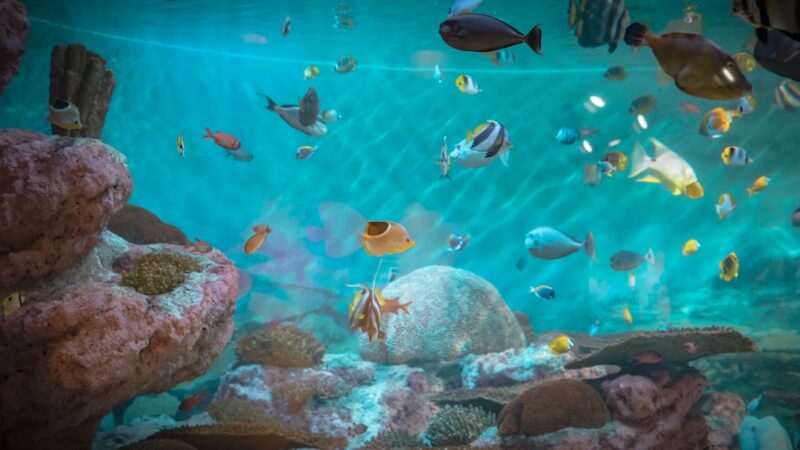
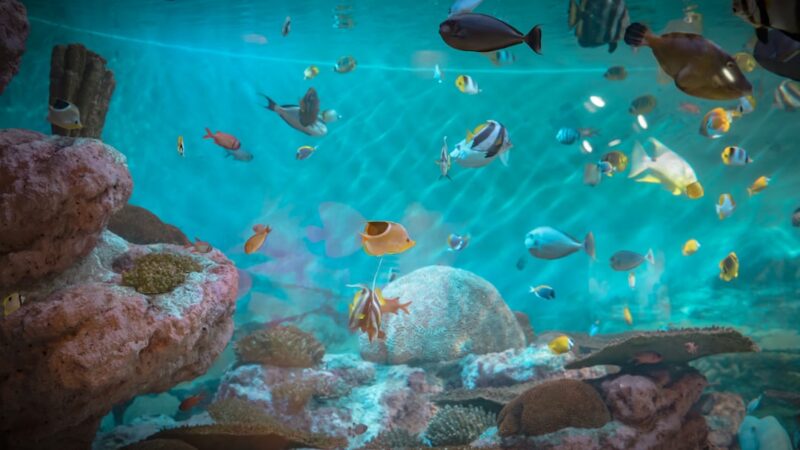
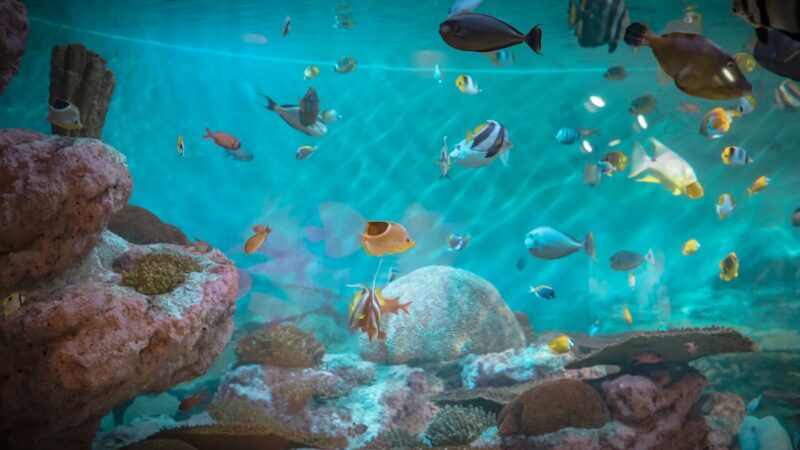
Aquarium Background Ideas: Paint, Film, 3D and Natural
Table of Contents
- Why Backgrounds Matter
- Painted Backgrounds
- Adhesive Film and Vinyl
- Frosted Film
- 3D Foam Backgrounds
- Natural Backgrounds (Inside the Tank)
- Comparison Table
- Matching Background to Aquascape Style
- Frequently Asked Questions
Why Backgrounds Matter
An aquarium background is one of the simplest upgrades you can make, yet it has an outsized impact on the overall appearance of your tank. Without a background, you see cables, wall paint, plug sockets, and whatever clutter sits behind the aquarium. A well-chosen background eliminates these distractions and creates a clean visual frame that lets your aquascape take centre stage.
At Gensou, we have spent over 20 years designing aquascapes in Singapore, and we always consider the background as part of the overall composition. Whether you prefer the simplicity of a painted rear panel or the drama of a living moss wall, this guide covers every major option with practical how-tos suited to local conditions.
Painted Backgrounds
Painting the rear glass panel is the cheapest and most permanent background option. It creates a perfectly smooth, bubble-free finish that no film can match.
Why Black Is the Most Popular Choice
Black paint is overwhelmingly the top choice among aquascapers, and for good reason:
- It makes fish colours pop — reds, blues, and greens appear more vivid against a dark backdrop.
- It hides equipment (filters, heaters, cables) positioned behind the tank.
- It creates an illusion of depth, making the aquascape appear larger.
- It suits virtually every aquascaping style — Nature, Iwagumi, Dutch, and biotope.
Blue is the second most popular option, particularly for marine and cichlid tanks where it mimics open water.
How to Paint Your Aquarium Background
- Clean the exterior rear glass thoroughly with glass cleaner. Remove all dust, fingerprints, and residue.
- Mask the edges with painter’s tape to protect the side panels and frame.
- Apply the paint. Use a small foam roller for the smoothest finish. Spray paint also works well but requires more masking to protect surrounding areas.
- Apply 2-3 thin coats rather than one thick coat. Allow each coat to dry fully (30-60 minutes) before applying the next.
- Remove the tape once the final coat is touch-dry.
What Paint to Use
- Krylon Fusion spray paint — bonds to glass without primer; available at Art Friend or online.
- Acrylic craft paint — applied with a foam roller; cheap and available at Popular or Daiso.
- Plasti Dip spray — a rubberised coating that can be peeled off later if you change your mind. This is the best option if you want a “reversible” painted background.
In Singapore’s humidity (often 80%+), paint can take longer to dry than the can suggests. Work in an air-conditioned room if possible, or on a dry afternoon with good ventilation.
Adhesive Film and Vinyl
Adhesive background film is the most common choice for hobbyists who want a quick, removable solution. It is available in a huge range of designs — solid colours, photographic scenes, gradients, and even custom prints.
Types of Adhesive Film
- Solid colour vinyl — black, blue, white, or grey. Clean and minimalist.
- Photographic backgrounds — printed images of rock walls, planted tanks, coral reefs, or river beds. Quality varies enormously.
- Static cling film — adheres with water rather than adhesive, making it easy to reposition and remove without residue.
How to Apply Adhesive Film
- Clean the glass with glass cleaner and dry completely.
- Cut the film slightly larger than the glass panel (you will trim the excess later).
- Spray the glass with a mixture of water and a drop of dish soap. This allows you to slide the film into position.
- Peel the backing from the film and lay it onto the wet glass.
- Squeegee out air bubbles from the centre outward. Work methodically — trapped bubbles are the most common problem.
- Trim the excess with a sharp craft knife once the film is positioned.
- Allow 24 hours for the water to evaporate and the film to adhere fully.
Adhesive film is available at local aquarium shops, Shopee, and Lazada. Prices range from $5-15 SGD for standard sizes. For larger tanks, you may need to source wider rolls from signage suppliers.
Frosted Film
Frosted film has gained popularity in recent years, particularly among aquascapers who favour a modern, minimalist aesthetic. It diffuses light passing through the rear panel, creating a soft, luminous glow rather than a solid block of colour.
Why Choose Frosted
- Creates an elegant, contemporary look that suits rimless tanks and modern interiors.
- Diffuses any backlight beautifully — many aquascapers place LED strips behind a frosted background for a stunning backlit effect.
- Hides the wall and cables without making the tank feel “closed off.”
- Works particularly well with Iwagumi and minimalist aquascape styles.
Application
Frosted film applies in exactly the same way as standard adhesive film (see above). It is widely available at hardware stores like Mr DIY, Home-Fix, and online. Window frosting film works perfectly — there is no need to buy aquarium-specific products.
For the backlit effect, attach a waterproof LED light strip to the wall behind the tank, pointing towards the frosted panel. Use a cool white or daylight-coloured strip for a natural look. This technique is particularly effective for beginner aquascapes as it adds visual impact without complexity.
3D Foam Backgrounds
Three-dimensional backgrounds made from sculpted foam, resin, or fibreglass create the most dramatic and realistic effect. They mimic rock faces, tree roots, or cave walls, adding genuine depth and texture to the aquarium.
Types Available
- Universal rocks and backgrounds — custom-fit foam panels in various rock and root designs.
- Slim-line backgrounds — thinner panels (2-3cm) designed to minimise the space they consume inside the tank.
- DIY foam backgrounds — carved from polystyrene or expanding foam, sealed with non-toxic cement or epoxy, and painted.
Pros and Cons
| Advantage | Disadvantage |
|---|---|
| Extremely realistic appearance | Reduces internal tank volume |
| Creates hiding spots for fish | Can trap debris behind the background |
| Unique, one-of-a-kind look | Difficult to remove once installed |
| Can be planted with mosses and ferns | Higher cost ($50-200+ SGD) |
In Singapore’s warm water (28-32°C), algae can colonise 3D backgrounds quickly. This is actually desirable in some cases — a thin layer of green algae on a rock-textured background looks very natural. However, if you prefer a clean look, be prepared for regular scrubbing.
Natural Backgrounds (Inside the Tank)
For aquascapers who want a truly integrated look, creating a natural background inside the tank using living plants is the ultimate option. This involves growing plants directly on the rear glass or on a mesh panel attached to it.
Popular Plants for Background Walls
- Java moss (Taxiphyllum barbieri) — the easiest option; attach to stainless steel mesh with fishing line or superglue.
- Christmas moss (Vesicularia montagnei) — slightly more structured growth pattern than Java moss.
- Riccia (Riccia fluitans) — bright green, compact growth; needs strong light and CO2.
- Hydrocotyle tripartita — creeping stems that create a lush, textured wall.
- Anubias ‘Petite’ — slow-growing but extremely hardy; attach rhizome to mesh or driftwood panel.
How to Create a Moss Wall
- Cut two pieces of stainless steel mesh to fit the rear glass panel.
- Spread a thin, even layer of moss between the two mesh sheets (like a sandwich).
- Secure the mesh sandwich together with fishing line, cable ties, or stainless steel wire.
- Attach the panel to the rear glass using suction cups.
- Within 4-8 weeks, the moss will grow through the mesh and cover it completely.
This method works beautifully in Singapore’s warm water conditions, as Java moss and Christmas moss thrive at 26-30°C. The main maintenance requirement is periodic trimming to keep the wall even.
Comparison Table
| Background Type | Cost (SGD) | Difficulty | Removable | Best For |
|---|---|---|---|---|
| Black paint | $5-15 | Easy | No (unless Plasti Dip) | All styles; permanent setups |
| Blue paint | $5-15 | Easy | No | Marine, cichlid tanks |
| Adhesive film (solid colour) | $5-15 | Easy | Yes | Renters; those who change tanks often |
| Photographic film | $8-20 | Easy | Yes | Community tanks; visual impact |
| Frosted film | $5-15 | Easy | Yes | Modern/minimalist; backlit setups |
| 3D foam background | $50-200+ | Moderate | Difficult | Biotope, show tanks |
| Natural moss/plant wall | $20-50 | Moderate | Yes | Planted tanks; Nature aquascapes |
Matching Background to Aquascape Style
Your background should complement your aquascaping style, not compete with it.
- Nature Aquascape: Black paint or frosted film. These keep the focus on the natural layout without visual clutter.
- Iwagumi: Frosted film (especially backlit) or black paint. The minimalist stone layout benefits from a clean, uncluttered backdrop.
- Dutch: Black paint. The dense, colourful plant arrangements are best appreciated against a dark background that makes the colours sing.
- Biotope: 3D foam background mimicking the natural habitat, or a natural moss wall for forest stream biotopes.
- Marine/Reef: Blue paint or solid blue film. This enhances the appearance of open water and complements coral colouration.
- Community/Display: Any option works. Photographic backgrounds are most popular here as they add instant visual interest.
If you are unsure which style suits your space, visit us at our shop at 5 Everton Park to see examples of different backgrounds on display tanks.
Frequently Asked Questions
Can I paint the background with the tank already set up?
Yes, you can paint the exterior rear glass while the tank is running. Ensure the tank is pulled slightly away from the wall so you can access the back panel. Use Plasti Dip spray for the easiest application — it dries quickly and can be peeled off if you dislike the result. Work in a well-ventilated area and keep paint away from the tank’s open top.
How do I remove bubbles from adhesive film?
The soapy water method described above prevents most bubbles. For small bubbles that remain, prick them with a fine needle and smooth them flat with a squeegee or credit card. Stubborn bubbles usually mean the glass was not clean enough — lift the film, clean the area, and reapply. Working in an air-conditioned room reduces bubbles caused by humidity.
Will a 3D background affect water quality?
Quality commercial 3D backgrounds are made from aquarium-safe materials and will not leach toxins. However, debris can accumulate in the gap between the background and the rear glass, creating dead spots with poor circulation. Use silicone to seal the background against the glass (leaving a small gap at the bottom for water flow) or install a small powerhead to ensure circulation behind the panel. In our warm Singapore water, stagnant pockets can quickly become breeding grounds for unwanted bacteria.
What is the best background for a small HDB tank?
For nano and small tanks common in HDB flats (30-60cm), black paint or solid black adhesive film is the most effective. It makes small tanks look bigger by creating an illusion of depth, hides the wall behind the tank, and is extremely low-cost. Frosted film with a thoughtful hardscape layout is another excellent option for a contemporary feel in compact spaces.
Transform Your Tank’s Look with Gensou
Whether you are after a simple painted background or a custom moss wall, our team at Gensou can help you choose and install the perfect backdrop for your aquascape. With over 20 years of aquascaping experience in Singapore, we know what works. Visit us at 5 Everton Park or get in touch today.
Related Reading