Aquarium for Dessert Cafes in Singapore: Sweet Ambiance
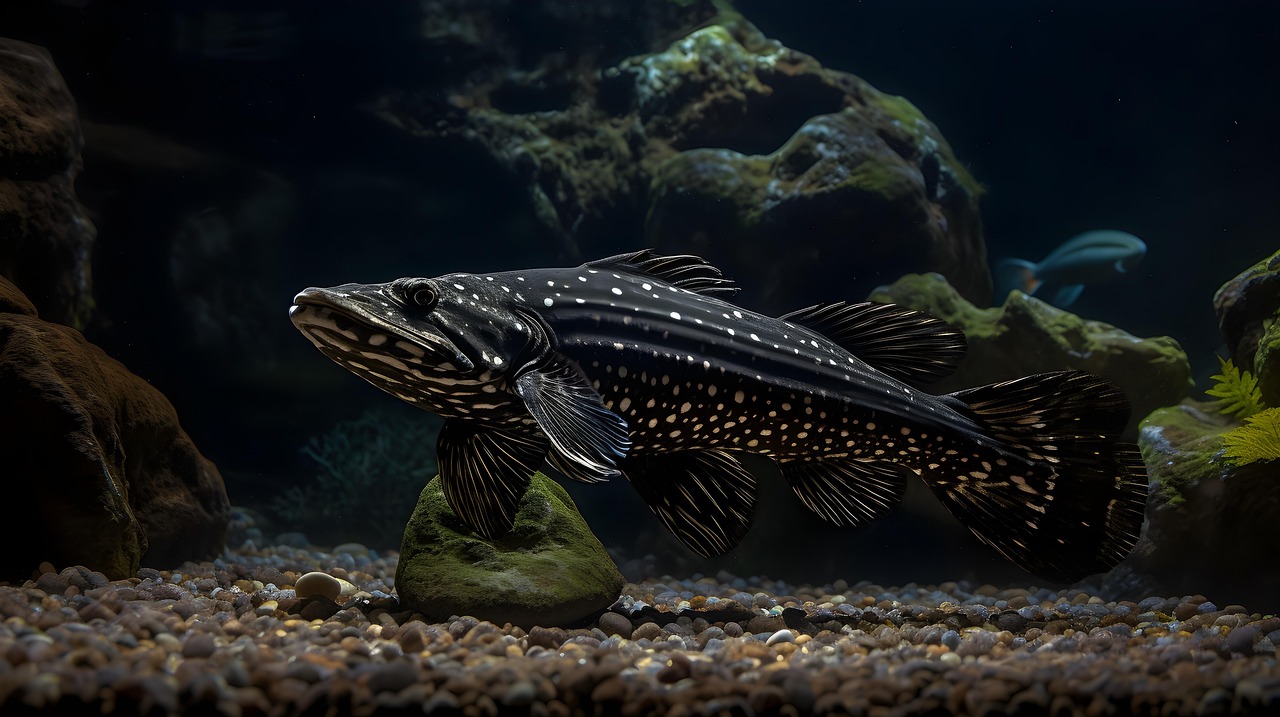
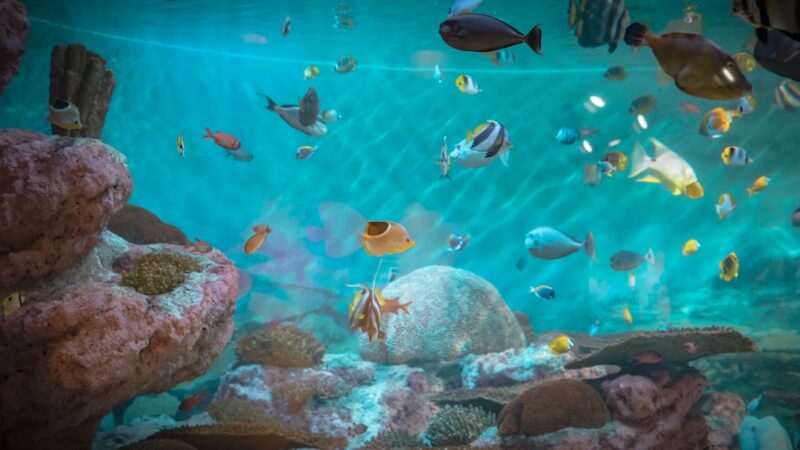
A dessert cafe lives or dies on ambiance. People choose a place to linger over bingsu or mochi not just for the food but for how it makes them feel — and an aquarium, done well, transforms a functional eating space into somewhere guests want to return to. The combination of soft light filtering through water, gently moving fish, and lush aquatic planting is extraordinarily photogenic, and in Singapore’s social-media-driven F&B landscape, an aquarium dessert cafe Singapore setup that photographs beautifully earns organic marketing every time a customer posts. This guide from Gensou Aquascaping at 5 Everton Park, Singapore covers how to commission a tank that works as hard as any piece of interior design in your cafe.
The Ambiance Argument
Dessert cafes attract a customer who is not in a hurry. Unlike a kopi tiam or a fast-casual restaurant, the dessert customer sits for 45–90 minutes, talking, photographing, and savouring. An aquarium rewards this lingering — the longer you watch it, the more detail you notice, and that sustained interest keeps customers engaged and comfortable rather than restless. Extended dwell time in an F&B setting correlates directly with higher per-table spend.
The aesthetic also aligns naturally with the dessert cafe category. Pastel colours, organic forms, natural textures — a Japanese-style planted aquarium in a dessert cafe reads as intentional and sophisticated rather than incongruous.
Positioning for Maximum Impact
In a cafe layout, the aquarium functions as an anchor feature — the visual element the space is arranged around. A large display tank (150–240 litres) on the feature wall opposite the entrance creates a focal point visible from the street that draws customers inside. Alternatively, a long, shallow aquarium built into the bar or counter creates intimate viewing for customers seated close to it, and provides unusual content for the flat-lay food photography that dominates dessert cafe social media.
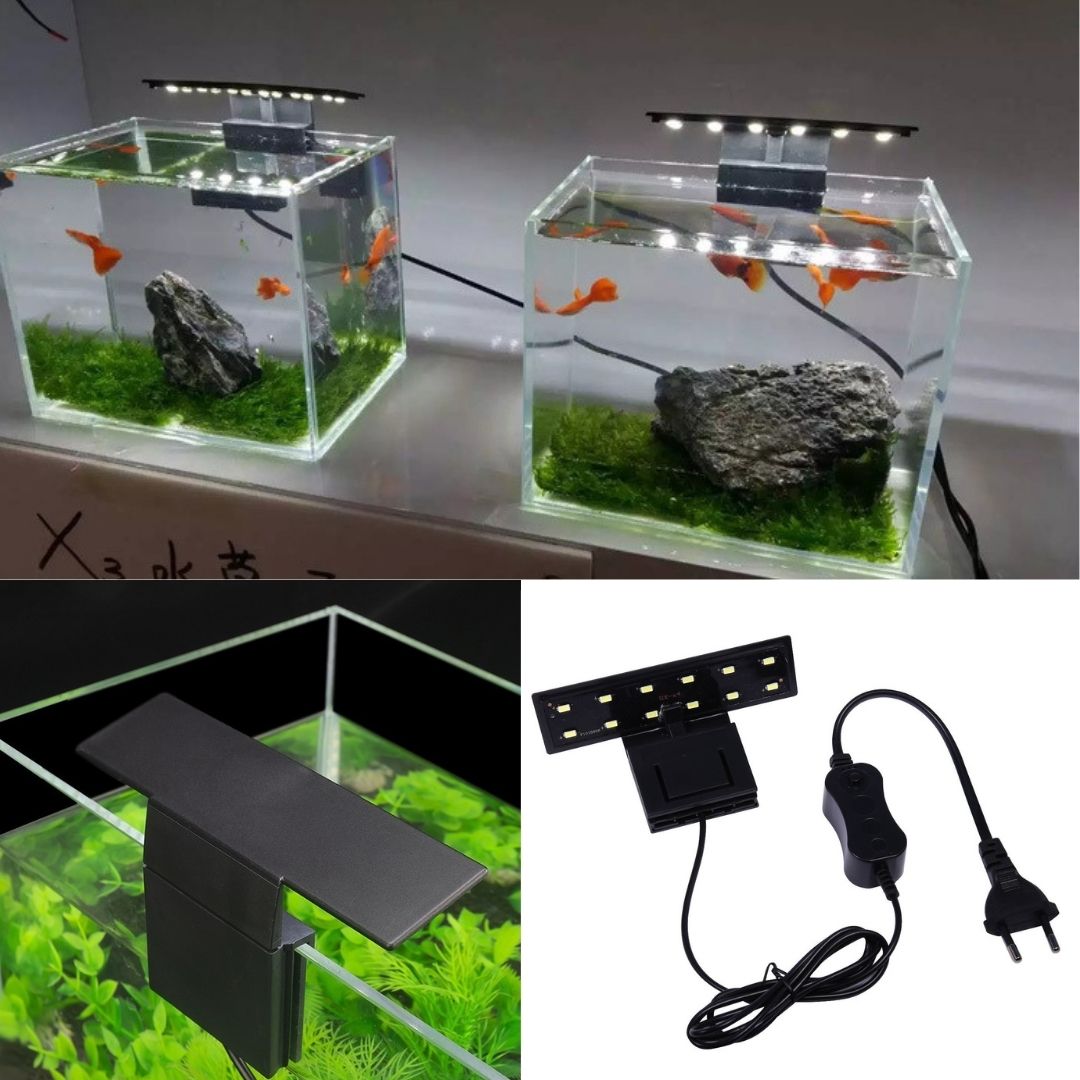
For very small units (under 30 square metres), consider a table-top nano aquarium (40–60 litres) as a centrepiece on a feature table, or a vertical ‘aquarium column’ at a corner. These smaller formats require less maintenance and lower installation cost while still delivering the ambiance benefit.
Style and Species for the Dessert Setting
The aesthetic should complement the cafe’s interior palette. For cafes with white or pastel interiors — common in Singapore dessert cafe design — a planted aquarium with fine-leaved stem plants in shades of green and soft red, light-coloured substrate, and pale stone hardscape creates a cohesive look. Fish with subtle colouring and elegant movement perform best: a shoal of rummy-nose tetras, a group of pearl gouramis, or elegant angelfish (Pterophyllum scalare) in a taller tank.
For cafes with darker, moodier aesthetics — dark timber, Edison bulb lighting — a blackwater biotope setup with driftwood, catappa leaves, and vivid killifish or paradise fish creates a dramatic, atmospheric display. This style photographs exceptionally well against dark backgrounds.
Lighting: Function and Photography
Aquarium lighting in a cafe must serve two masters: the fish and plants need biologically appropriate light; your customers and their cameras need aesthetically appealing light. A programmable LED fixture with a sunrise/sunset ramp — such as the Chihiros WRGB or similar quality unit — provides both. Set the peak photoperiod to coincide with peak trading hours (typically 2pm–9pm for a dessert cafe), so the tank looks its absolute best when the room is fullest.
Avoid bright, flat-white aquarium lighting, which looks clinical and washes out in photographs. A light with tunable colour temperature (3000–6500K) lets you dial in a warmer, more flattering light that complements food photography and flatters customers in selfies.
Practical Maintenance in a Food Setting
Food-service environments create additional challenges for aquarium maintenance: food particles in the air settle onto open-top tanks, and cleaning chemicals used on counters and floors can contaminate tank water if atomised. Cover the tank during cleaning sessions, and establish a clear protocol with kitchen and floor cleaning staff about what chemicals can and cannot be used near the tank.
A weekly maintenance visit from a professional aquarium service ensures the tank always looks photogenic. Maintenance costs for a 150 L display tank in Singapore typically run $120–180 per month, covering water changes, glass polishing, plant trimming, and livestock health checks. Budget this as a marketing cost — a clean, beautiful aquarium generates ongoing social media content at a cost per impression that no paid advertising channel can match.
Making the Tank Part of Your Brand Story
The most effective cafe aquariums are not afterthoughts — they are explained and celebrated. A small framed card next to the tank naming the fish species, describing the origin of the plants, and crediting the aquascape designer adds depth and conversation starters. Customers who learn the names of the fish become attached; attached customers return. The aquarium dessert cafe Singapore guide framework sees the tank as a living element of the brand, not just decoration. Gensou Aquascaping designs bespoke installations for cafes, offices, and commercial spaces throughout Singapore, from concept to commissioning to ongoing care.
Related Reading