Aquarium for School Classrooms in Singapore: Learning Through Nature
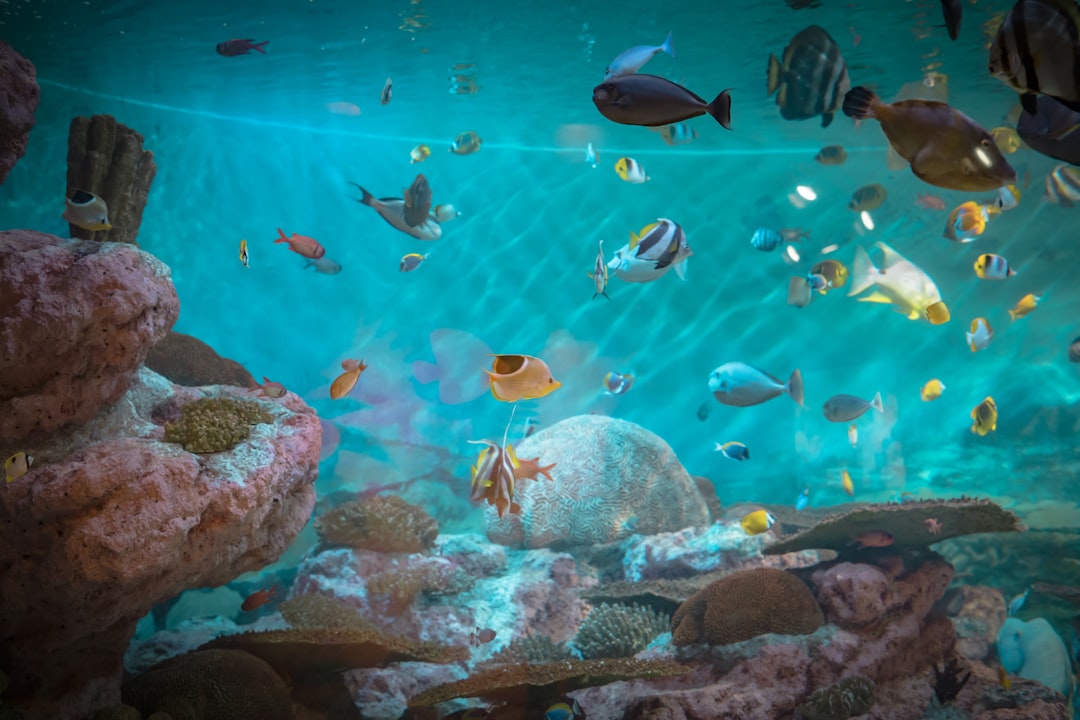
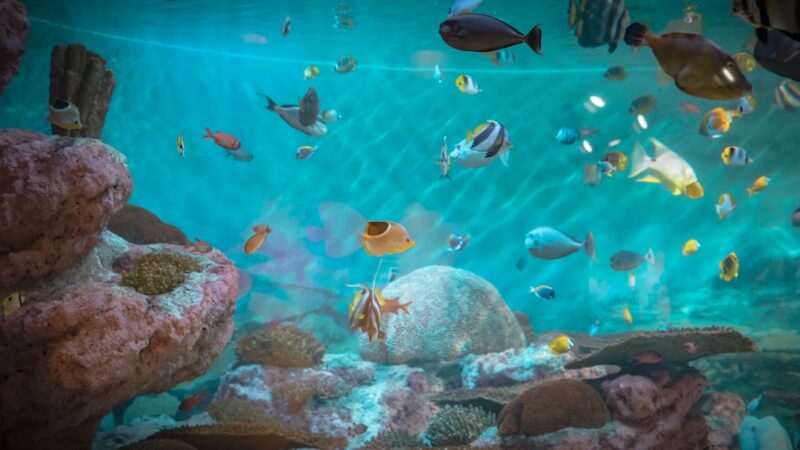
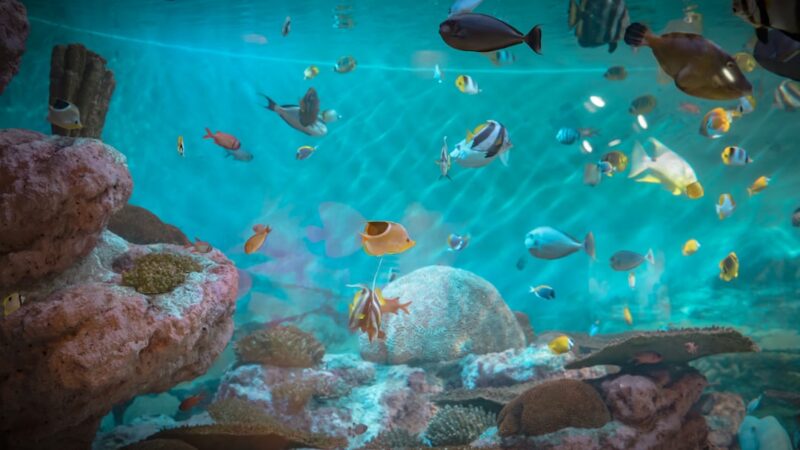
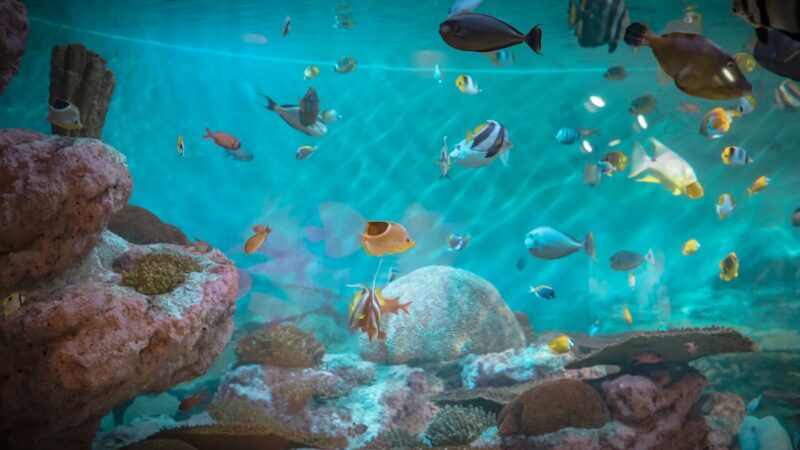
An aquarium in a classroom does something textbooks cannot — it brings ecosystems to life right in front of students. This aquarium school classroom Singapore guide from Gensou Aquascaping at 5 Everton Park, with over 20 years of hands-on experience, helps educators plan setups that are safe, educational, and manageable within a school’s schedule. A classroom aquarium teaches responsibility, biology, and patience in equal measure.
Educational Value Across Subjects
Science is the obvious connection — the nitrogen cycle, photosynthesis, food webs, and adaptation all play out visibly in a functioning aquarium. But the benefits extend further. Mathematics classes can chart water parameters over time, art students sketch live specimens, and younger pupils develop empathy through daily feeding and observation routines.
Singapore’s MOE curriculum already encourages experiential learning. A classroom tank aligns with Programme for Active Learning (PAL) objectives and can serve as a centrepiece for project-based work across primary and secondary levels.
Choosing a Suitable Tank Size
Space in Singapore classrooms is limited. A 45–60 cm tank (roughly 30–60 litres) fits comfortably on a sturdy table or purpose-built stand without dominating the room. Smaller tanks are tempting but harder to keep stable — temperature and water chemistry fluctuate rapidly in volumes under 20 litres, creating more problems than they solve.
Place the tank away from windows to avoid excessive algae growth and temperature spikes. Ensure it is at student eye level and accessible for supervised feeding and observation, but not in a high-traffic aisle where accidental bumps could cause spills.
Best Fish Species for Classrooms
Hardy, peaceful species that tolerate Singapore’s ambient temperature (28–32 °C without aircon) are ideal. Guppies (Poecilia reticulata) top the list — they breed readily, display vivid colours, and tolerate beginner mistakes. White cloud mountain minnows, endlers, and low-maintenance species like zebra danios also work well.
Avoid delicate species that require precise parameters or expensive equipment. Neocaridina shrimp make fascinating additions for older students, but their sensitivity to copper (found in some tap water treatments) demands more careful water management.
Equipment and Budget
A complete classroom setup need not break the school budget. A basic 45 cm tank with sponge filter, LED light, thermometer, and water conditioner costs approximately $80–$150 from shops along Serangoon North Avenue 1 or online via Shopee. Add $20–$30 for hardy fish and a few live plants like Anubias and java fern, which grow in low light without CO2 injection.
Sponge filters powered by a small air pump are preferable to hang-on-back or canister filters in classrooms — they are quiet, safe (no exposed impellers), and inexpensive to maintain. Replace the sponge once or twice a year.
Maintenance During Term and Holidays
Assign a rotating student roster for daily feeding — one small pinch per day is enough. A teacher or lab technician should supervise a 20–25 % water change every one to two weeks. Use a dechloraminator to treat PUB tap water before adding it to the tank.
School holidays pose the biggest logistical challenge. An automatic fish feeder handles feeding for up to two weeks. For longer breaks, arrange for a staff member to check the tank weekly or reduce feeding and perform a large water change before the break begins. Healthy fish can fast for five to seven days without harm.
Safety and Hygiene
Ensure all electrical equipment uses a residual current device (RCD) to prevent shock. Keep power strips elevated above floor level in case of minor spills. Students should wash hands after touching tank water — standard hygiene practice that also reinforces good lab habits.
Avoid glass tanks in early-childhood or lower-primary settings where rough handling is likely. Acrylic tanks are lighter, shatter-resistant, and available in similar sizes at a modest premium.
Getting Support
Several aquarium shops in Singapore offer school packages that include setup, an initial workshop for teachers, and optional ongoing maintenance. At Gensou Aquascaping, we have helped schools across the island design classroom tanks that integrate seamlessly into the learning environment — because the best lessons are the ones students never want to stop watching.
Related Reading
- Aquarium for Office Receptions in Singapore: Calm First Impressions
- How to Start the Aquarium Hobby in Singapore: A Beginner Roadmap
- Best Low-Maintenance Fish for Busy People: Set It and Enjoy
- Aquarium Maintenance Cost in Singapore: Monthly Breakdown
- How to Feed Fish While on Holiday: Auto Feeders, Fasting and Sitters