
How to Aquascape for Dental Clinic Waiting Rooms in Singapore
Dental anxiety affects up to 60 % of patients, and much of that stress builds in the waiting room before treatment even begins. A thoughtfully designed aquarium can measurably lower heart rates and redirect nervous attention. This guide on how to aquascape dental clinic waiting room Singapore spaces comes from Gensou Aquascaping, with over 20 years of commercial aquarium design experience at 5 Everton Park.
The Science Behind Aquariums and Anxiety Reduction
Studies published in Environment and Behavior have shown that watching fish in an aquarium reduces blood pressure and heart rate more effectively than viewing an empty tank or a nature video. The combination of gentle movement, soft light refraction, and the ambient sound of water filtration creates a multi-sensory calming effect. For a dental clinic, that translates directly into more relaxed patients and smoother appointments.
Tank Size and Placement
Waiting rooms in Singapore dental clinics are typically compact — 15 to 30 square metres in HDB shophouse units or mall spaces. A 60–90 cm tank (roughly 60–150 litres) delivers visual impact without dominating the room. Position it at seated eye level, ideally visible from most chairs. A wall-mounted or cabinet-recessed tank integrates cleanly with clinic decor and prevents children from tapping the glass.
Avoid placing the tank directly opposite the treatment room door — patients emerging post-procedure should not have to navigate around it while still numb or unsteady.
Design Aesthetic: Calm, Clean, Clinical
Dental clinics project hygiene and precision. The aquascape should echo those values. A clean nature-style layout — structured hardscape, neatly trimmed plants, clear water — reads as intentional and professional. Avoid overgrown jungle layouts or murky blackwater styles that might subconsciously suggest untidiness.
White or light-coloured sand, pale stone (like seiryu or pagoda), and bright green plants create an airy, fresh palette. A rimless tank with minimal visible equipment reinforces the clean aesthetic. Back-mounted or inline filtration keeps the view uncluttered.
Plant Selection
Low-maintenance, slow-growing species reduce the frequency of professional maintenance visits — important when the clinic operates six days a week and downtime for tank work is limited.
- Anubias nana and nana petite: Compact, dark green, tolerant of low light.
- Java fern varieties: Attach to stone for a natural, rooted appearance.
- Cryptocoryne species: Fill midground without frequent trimming.
- Moss on hardscape: Adds softness and visual warmth.
Skip fast growers like Rotala or Ludwigia unless a weekly maintenance contract is in place. Untrimmed stem plants quickly look unkempt — the opposite of what a clinic wants.
Fish Species for a Calming Effect
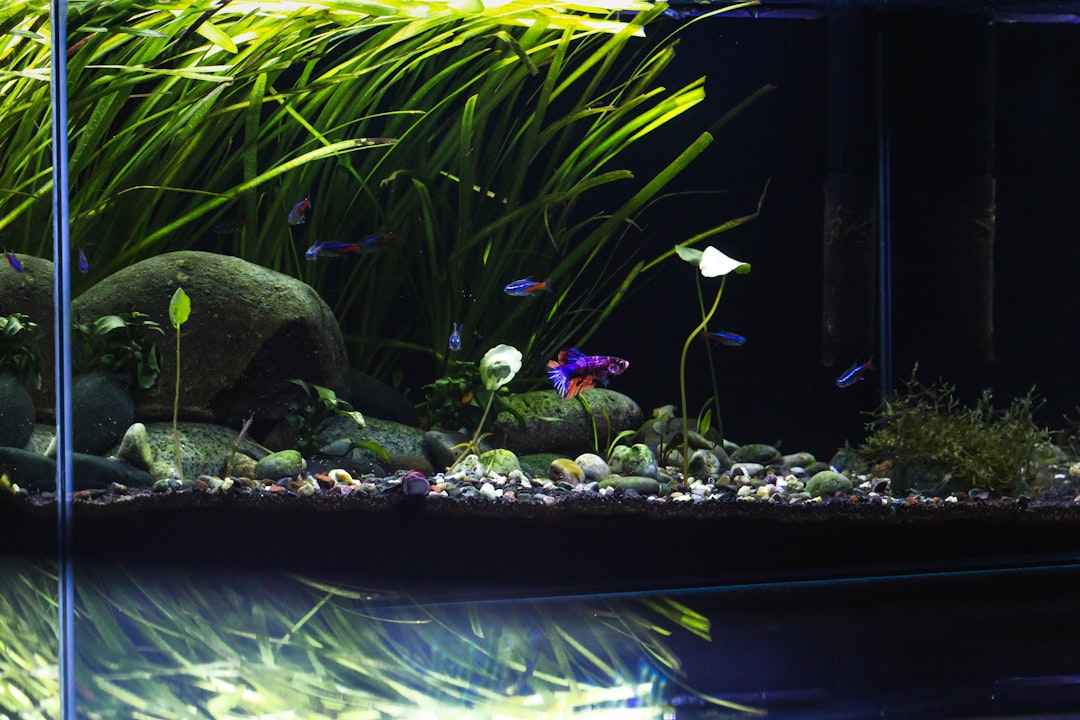
Slow, graceful swimmers are more soothing than hyperactive darting fish. A school of 15–20 ember tetras (Hyphessobrycon amandae) drifting through the midground produces a meditative visual rhythm. Harlequin rasboras are slightly larger, equally peaceful, and display a warm copper-orange tone that patients find appealing.
A small group of Corydoras pygmaeus adds bottom-level activity without frantic movement. Amano shrimp and nerite snails handle cleanup discreetly. Avoid large, fast, or aggressive fish — sudden dashes startle already nervous patients.
Noise and Equipment Considerations
Clinic waiting rooms must stay quiet. A canister filter (Eheim Classic or Oase BioMaster) running under the cabinet produces virtually no audible noise. Avoid air pumps or hang-on-back filters with splashing returns — even subtle buzzing registers in a silent waiting room. If you want surface agitation for oxygenation, a lily pipe or spray bar directs flow gently without splashing.
LED lighting on a timer aligned with clinic hours means the tank is lit when patients arrive and dark when the clinic closes, reducing electricity costs. A 6,500 K colour temperature keeps the tank looking fresh and natural under typical clinic fluorescent or LED ceiling lights.
Hygiene and Practical Concerns
Clinics are subject to regulatory inspections. Ensure the tank is sealed and stable — no water damage risk. Use a drip tray under the cabinet as a precaution. Position electrical outlets and extension cords away from splash zones. A lockable cabinet prevents curious children from accessing filter chambers or chemicals.
Condensation on the glass exterior is common in Singapore’s humidity, especially when the clinic’s air conditioning runs heavily. Wipe the exterior weekly during maintenance visits to keep the display crystal clear.
Maintenance Contracts
Professional servicing every two weeks is the standard for commercial clinic tanks. Each visit covers a 20–25 % water change, glass cleaning, filter media rinse, plant trimming, and a livestock health check. In Singapore, expect to budget $150–$250 monthly depending on tank size. Gensou Aquascaping provides this service with scheduling flexibility around clinic operating hours.
An aquascape for a dental clinic waiting room in Singapore is an investment in patient experience. It softens a clinical environment, gives anxious minds something beautiful to focus on, and differentiates your practice from the one down the street. At Gensou Aquascaping, we have installed calming displays in clinics from Novena to Tampines — each one a silent partner in patient comfort.
Related Reading



