
Aquarium for Toddlers Safety Guide: Tank Placement and Access
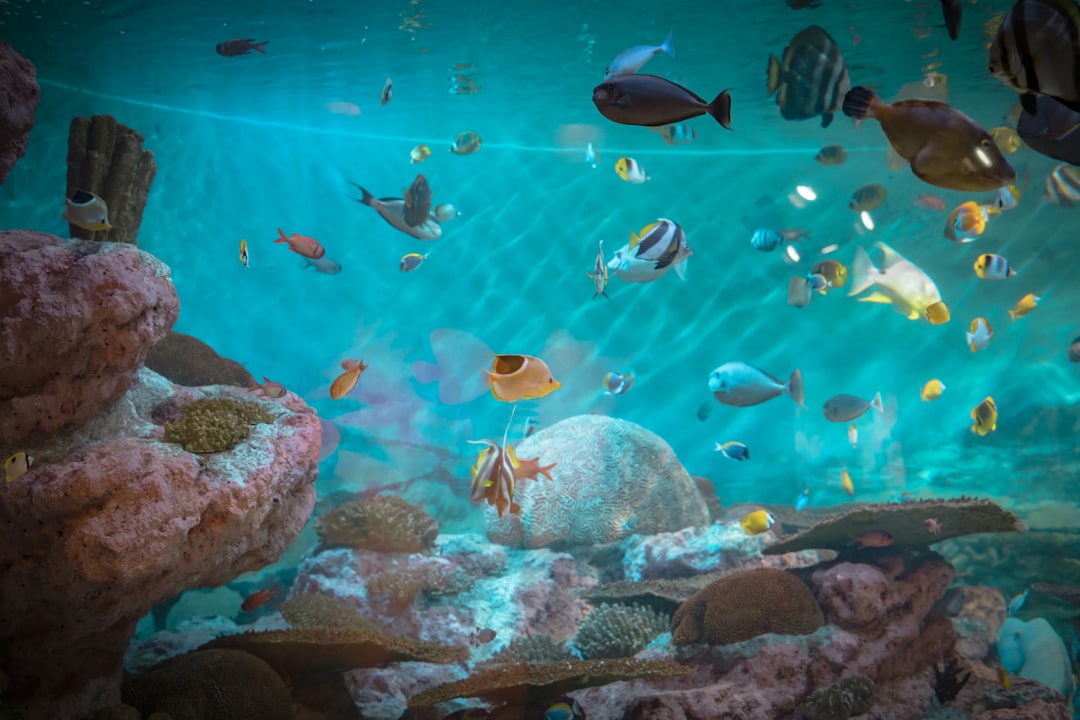
Toddlers find aquariums irresistible, and rightly — a moving, lit underwater scene at eye level is exactly the kind of sensory object a 12-36 month old wants to touch, tap, and occasionally try to climb. This aquarium for toddlers safety guide tackles the practical side of keeping a tank in a household with small children, drawn from years of advising families at Gensou Aquascaping at 5 Everton Park. Most issues are preventable with thoughtful placement, the right hardware choices, and realistic expectations about supervision in a HDB flat where floor space is tight.
Quick Facts
- Place tanks on sturdy, weighted stands — never on dining tables or thin shelves
- Total tank weight for a 60 cm tank reaches roughly 80 kg filled
- Use residual current devices (RCD/RCCB) on every aquarium power point
- Choose fitted lids with locking clips, not loose glass lids
- Avoid sharp rock edges at the toddler’s eye level — round stones only
- Keep medications, fertilisers, and salt mixes in a locked cabinet
- Best starter fish: platies, endlers, white cloud minnows — hardy and slow-moving
Where to Place the Tank
Toddlers pull on anything at hand level. Place the tank at a height where the toddler cannot grab the rim or reach inside — either above 120 cm (requires a lift to view), or enclosed behind a furniture barrier. Low-line tanks on 40-50 cm stands are charming but invite pulling, climbing, and the occasional head-bump. In a HDB living room, the TV console often works if it is bolted to the wall and weight-rated.
Avoid placing near sofas, beds, or any climbable surface. A determined three-year-old treats a sofa back as a ladder. Keep 30 cm clear around the tank so a falling child hits carpet, not glass.
Electrical Safety Is Non-Negotiable
Every aquarium in a family home should run through a residual current device. SP and common electrical installers install these as standard on new HDB flats, but older flats may not have them at the affected circuit. Check, and add a plug-in RCD ($40-60 from hardware stores) if unsure. Drip loops on every cable are mandatory — the cable should dip below the plug so water cannot run along it into the socket.
Hide cables in a trunking channel or behind the tank stand. Loose cables are chew targets for toddlers and trip hazards for the adults carrying the toddler.
Lid Choice and Sharp Hardware
Fitted lids with locking clips or screw-down retainers prevent both fish jumping out and fingers reaching in. Rimless tanks with loose glass covers look beautiful but are the worst choice when a toddler can reach the rim — the glass lid slides, fingers follow. For families we usually recommend a framed tank with an integrated hood, or a rimless tank placed out of reach.
Hardscape at eye level matters. A jagged slate or sharp lava rock inside the tank is fine, but avoid the same on display shelves beside it. Round river stones, smooth driftwood, and rounded ceramic décor inside and around the tank reduce injuries during the inevitable first close encounter.
Water, Chemicals, and What Tastes Like Sweets
Plant fertilisers, dechlorinator, medications, and marine salt mixes all look like interesting bottles to a toddler. Several cause real harm: copper-based medications are acutely toxic in small amounts, and dechlorinator contains sodium thiosulphate which can cause gastric upset. Lock all aquarium chemicals in a cabinet well above reach, not under the tank stand where curious hands explore.
CO2 cylinders deserve a mention — store them upright, strapped, and behind the stand door. A falling cylinder can break a toddler’s foot.
Choosing Fish That Suit Families
Bright, slow-moving, hardy fish engage toddlers and forgive the occasional window-tap. Platies (Xiphophorus maculatus), endler guppies (Poecilia wingei), and white cloud mountain minnows (Tanichthys albonubes) tick every box. Betta splendens work in a family context when placed well above reach — their slow fin movement fascinates toddlers without encouraging chasing.
Skip fish that hide (kuhli loaches, plecos) or startle easily (neon tetras, rasboras) — children lose interest in fish they never see, and startled fish crash into hardscape. Cory catfish are a nice supplementary choice because they work in groups at the front glass.
Teaching Rather Than Forbidding
Blanket bans (“don’t touch”) fail. Instead, give the toddler one job at feeding time — sprinkling a pre-measured pinch of flakes under supervision. Once or twice a day becomes a ritual they take pride in. The feeding ritual also teaches early cause-and-effect: fish come up, fish eat, fish go down. Most parents at our shop find this transforms tank-tapping into tank-respecting within two to three weeks.
A small stepping stool placed away from the tank, used only when an adult is present, gives children the height to observe without giving them climbing access when unsupervised.
Realistic Time Commitment for Busy Parents
A well-set-up 60-90 litre family tank needs 15-20 minutes weekly: one water change of 25-30%, a glass wipe, and a quick substrate vacuum on the front half. Monthly, budget 45 minutes for filter rinsing and deeper maintenance. Plan these during nap time or evenings rather than treating them as a parent-child activity — children under four lose patience within five minutes and often contaminate the process.
What Age to Introduce Different Levels
From 12-24 months, supervised watching only. 2-4 years, simple feeding under watch. 4-6 years, they can help with water changes by carrying a (capped) small bucket and turning on the tap. By 7-8, they can read a thermometer, use a test strip, and log water parameters in a simple chart. Matching tasks to development keeps interest alive and builds real skills rather than forcing responsibilities too early.
Related Reading



