
Best Aquarium Setup for Children: Safe, Fun and Educational
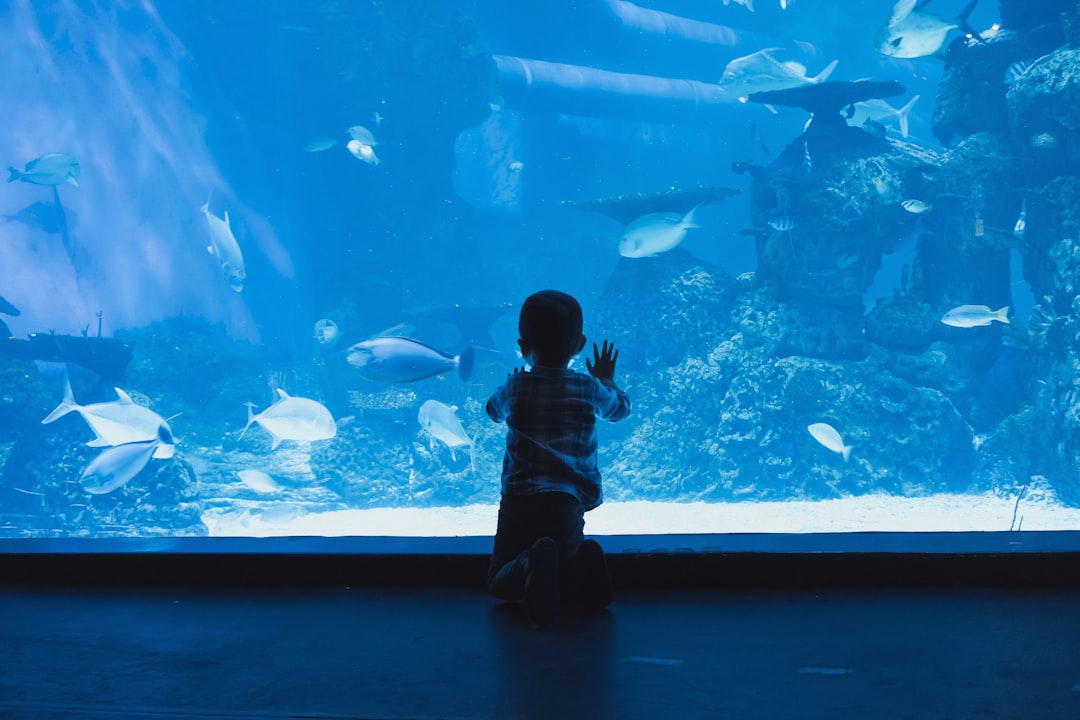
An aquarium for children guide is exactly what many Singaporean parents search for when their little ones start begging for pet fish. Aquariums offer a wonderful combination of entertainment, responsibility and hands-on learning — but only when set up correctly from the start. At Gensou, with over 20 years of aquascaping experience from our studio at 5 Everton Park, we have helped countless families create safe, engaging aquarium setups that children adore.
This comprehensive guide walks you through everything from choosing the right tank size and fish species to teaching your child proper feeding habits and tank maintenance. Whether your child is five or fifteen, there is an ideal aquarium setup waiting to spark their curiosity about the underwater world.
Table of Contents
- Why Aquariums Are Great for Children
- Choosing the Right Tank Size and Type
- Safe Setup Considerations
- Best Fish Species for Children
- Easy Aquatic Plants for Kids’ Tanks
- Teaching Children Tank Responsibility
- Age-Appropriate Aquarium Tasks
- Common Mistakes to Avoid
- Where to Buy Supplies in Singapore
- Frequently Asked Questions
- Conclusion
Why Aquariums Are Great for Children
Keeping an aquarium is far more than simply watching fish swim back and forth. Research has shown that aquariums can reduce stress and anxiety in children, improve focus and even support emotional development. In Singapore’s fast-paced academic environment, an aquarium provides a calming focal point that encourages mindfulness.
Educational Benefits
Children learn about biology, chemistry and ecology through hands-on aquarium keeping. They observe the nitrogen cycle in action, learn about different ecosystems and develop an understanding of how living organisms interact. Many Singapore schools incorporate aquarium projects into their science curricula for precisely these reasons.
Building Responsibility
Daily feeding routines and weekly water checks teach children accountability. Unlike some pets that demand constant attention, aquariums allow children to develop responsibility at a manageable pace — making them an ideal first pet for families living in HDB flats or condominiums where space is limited.
Choosing the Right Tank Size and Type
One of the most important decisions is selecting the right tank. Contrary to popular belief, smaller tanks are actually harder to maintain because water parameters fluctuate more rapidly. For a children’s setup, we recommend starting with a tank between 40 and 80 litres.
| Tank Size | Best For | Maintenance Level | Estimated Cost (SGD) |
|---|---|---|---|
| 20 litres (nano) | Shrimp or single betta | Moderate — parameters shift quickly | $50–$100 |
| 40 litres | Small community fish | Easy — good stability | $80–$150 |
| 80 litres | Diverse community tank | Easy — very stable | $120–$250 |
| 120+ litres | Larger fish, planted tanks | Moderate — more water changes | $200–$400+ |
For most Singaporean families, a 40 to 60-litre tank fits comfortably on a sturdy shelf or desk in a child’s bedroom or the living room. Ensure the surface can support the weight — water alone weighs roughly one kilogramme per litre.
Safe Setup Considerations
Safety must come first when setting up an aquarium in a household with children. Here are the key points to address before filling the tank.
Electrical Safety
Aquariums involve water and electricity in close proximity. Use a residual current device (RCD) on the power socket, keep all cables tidy and out of reach, and create drip loops on every cord running into the tank. In Singapore’s humid climate, moisture can accumulate around electrical connections, making these precautions especially important.
Tank Placement
Position the tank on a stable, level surface away from direct sunlight (which promotes excessive algae growth in our tropical climate). Avoid placing it near windows that receive afternoon sun. The tank should be at a height where children can observe comfortably but not easily tip or knock it over.
Non-Toxic Materials
Only use aquarium-safe decorations. Avoid painted ornaments from non-aquarium sources, as paint may leach toxins. Smooth river stones and driftwood sold at aquarium shops are safe choices. Steer clear of sharp decorations that could injure curious little fingers during water changes.
Best Fish Species for Children
The ideal fish for a child’s aquarium are hardy, colourful, peaceful and easy to feed. Here are our top recommendations, all readily available at local fish shops across Singapore.
| Fish Species | Temperament | Care Level | Special Notes |
|---|---|---|---|
| Betta (Siamese Fighting Fish) | Peaceful alone, aggressive with other bettas | Very easy | Keep only one male per tank |
| Guppies | Peaceful, active | Very easy | Breed readily — keep same sex to control population |
| Neon Tetras | Peaceful, schooling | Easy | Keep in groups of 6 or more |
| Corydoras Catfish | Peaceful, bottom-dwelling | Easy | Entertaining to watch foraging |
| Platies | Peaceful, active | Very easy | Available in many colours |
| Cherry Shrimp | Peaceful | Easy | Fascinating for children to observe |
Avoid aggressive species such as cichlids or large predatory fish. Also steer clear of delicate species like discus, which require precise water parameters beyond what most beginner families can maintain.
Easy Aquatic Plants for Kids’ Tanks
Live plants add beauty, improve water quality and give children another element to observe and care for. The following species thrive in Singapore’s warm water temperatures without requiring CO2 injection or high-intensity lighting.
- Java Fern — attach to driftwood or rocks; virtually indestructible
- Anubias — slow-growing and extremely hardy; great tied to hardscape
- Java Moss — spreads easily; provides hiding spots for shrimp and fry
- Water Wisteria — fast-growing; helps absorb excess nutrients
- Amazon Sword — dramatic centrepiece plant for larger tanks
These plants all tolerate Singapore’s naturally warm tap water (typically 28–30°C) and do not require a chiller, keeping costs and complexity down for families.
Teaching Children Tank Responsibility
The key to a successful children’s aquarium is involving them in every step of the process. Start by letting your child help choose the fish and decorations. This creates a sense of ownership that motivates ongoing care.
Feeding Routines
Teach children to feed small amounts once or twice daily. A helpful trick is to pre-portion meals into small containers labelled with days of the week. Overfeeding is the single most common problem in children’s aquariums, leading to poor water quality and sick fish.
Observation Journals
Encourage your child to keep an observation journal. They can sketch fish, note colour changes, record water temperature readings and document plant growth. This reinforces scientific observation skills and creates a wonderful record of their aquarium journey.
Age-Appropriate Aquarium Tasks
Not every aquarium task is suitable for every age group. Here is a breakdown of what children can safely handle at different stages.
| Age Group | Suitable Tasks | Adult Supervision Required |
|---|---|---|
| 3–5 years | Watching, naming fish, supervised feeding | Full supervision at all times |
| 6–8 years | Daily feeding, checking temperature, observation journal | Moderate supervision |
| 9–12 years | Water testing, partial water changes with help, algae cleaning | Light supervision |
| 13+ years | Full water changes, filter maintenance, plant trimming | Minimal — periodic check-ins |
Always supervise younger children around water. Even a small aquarium holds enough water to pose a risk to very young children if tipped over.
Common Mistakes to Avoid
Over two decades of helping Singapore families, we have seen the same mistakes repeated. Here is how to avoid the most common pitfalls.
Starting Too Small
Tiny bowls and one-gallon tanks seem appealing for children but are genuinely cruel to fish and nearly impossible to maintain. Water quality deteriorates rapidly in small volumes, leading to sick or dead fish — a traumatic experience for a child. Always start with at least 20 litres, ideally 40 or more.
Skipping the Nitrogen Cycle
Adding fish to a brand-new tank is the fastest way to lose them. The tank must be cycled first, which takes two to four weeks. Use this waiting period as a teaching opportunity — explain to your child how beneficial bacteria need time to establish before fish can move in safely.
Overstocking
Children naturally want lots of fish in every colour. Resist the urge to overstock. A good rule of thumb for beginners is roughly one centimetre of fish per two litres of water, though this varies by species. Fewer fish means cleaner water and healthier, longer-lived pets.
Neglecting Water Changes
In Singapore’s tropical climate, water quality can deteriorate faster than in cooler countries. Perform 20–30% water changes weekly. Treat tap water with a dechlorinator before adding it to the tank — PUB tap water contains chlorine and chloramine that are harmful to fish.
Where to Buy Supplies in Singapore
Singapore has a thriving aquarium scene with numerous shops catering to beginners. Popular areas include the shops along Serangoon North, Clementi and various neighbourhood aquarium stores in heartland malls. Online platforms like Shopee and Lazada also carry a wide range of aquarium supplies with delivery across the island.
For personalised advice on setting up a child-friendly aquarium, visit us at Gensou, 5 Everton Park. Our team can recommend the perfect setup based on your space, budget and your child’s interests.
Frequently Asked Questions
What is the best first fish for a child in Singapore?
Guppies and betta fish are excellent first choices. Both are hardy, colourful and widely available at local fish shops. Guppies are particularly engaging because they are active swimmers, while bettas captivate children with their flowing fins and vibrant colours.
How much does it cost to set up a children’s aquarium in Singapore?
A basic 40-litre setup including the tank, filter, light, substrate, dechlorinator and a few fish typically costs between $100 and $200 SGD. Ongoing monthly costs for food and water conditioner are minimal, usually under $15.
Is it safe to keep an aquarium in a child’s bedroom?
Yes, provided the tank is securely placed on a stable surface and all electrical connections use drip loops and RCD protection. The gentle sound of the filter can actually help some children sleep. However, ensure the tank light is on a timer so it does not disturb bedtime.
How do I explain fish death to my child?
Fish loss is a natural part of aquarium keeping. Use it as a gentle teaching moment about the cycle of life. Discuss what might have caused the loss and what you can do differently. This honest approach helps children develop emotional resilience and problem-solving skills.
Related Reading
- Aquarium for Children’s Hospital Wards: Healing Through Nature
- Best Fish for a Child’s First Aquarium: Hardy and Colourful
- Aquarium as Home Décor: Placement, Styles and Design Tips
- Aquarium Background Ideas: Paint, Film, 3D and Natural
- 10 Beginner Aquarium Mistakes and How to Avoid Them
Start Your Family’s Aquarium Journey
Setting up an aquarium with your child is one of the most rewarding family activities you can undertake. It combines education, responsibility and the simple joy of creating a beautiful underwater world together. With the right tank, suitable fish and proper guidance, your child’s aquarium will provide years of fascination and learning.
Ready to set up the perfect aquarium for your little one? Contact Gensou for a personalised consultation, explore our online shop for beginner-friendly supplies, or discover our custom aquarium service for a professionally designed setup tailored to your family’s needs.



