
Aquarium Power Outage Survival Guide: 24 Hour Plan
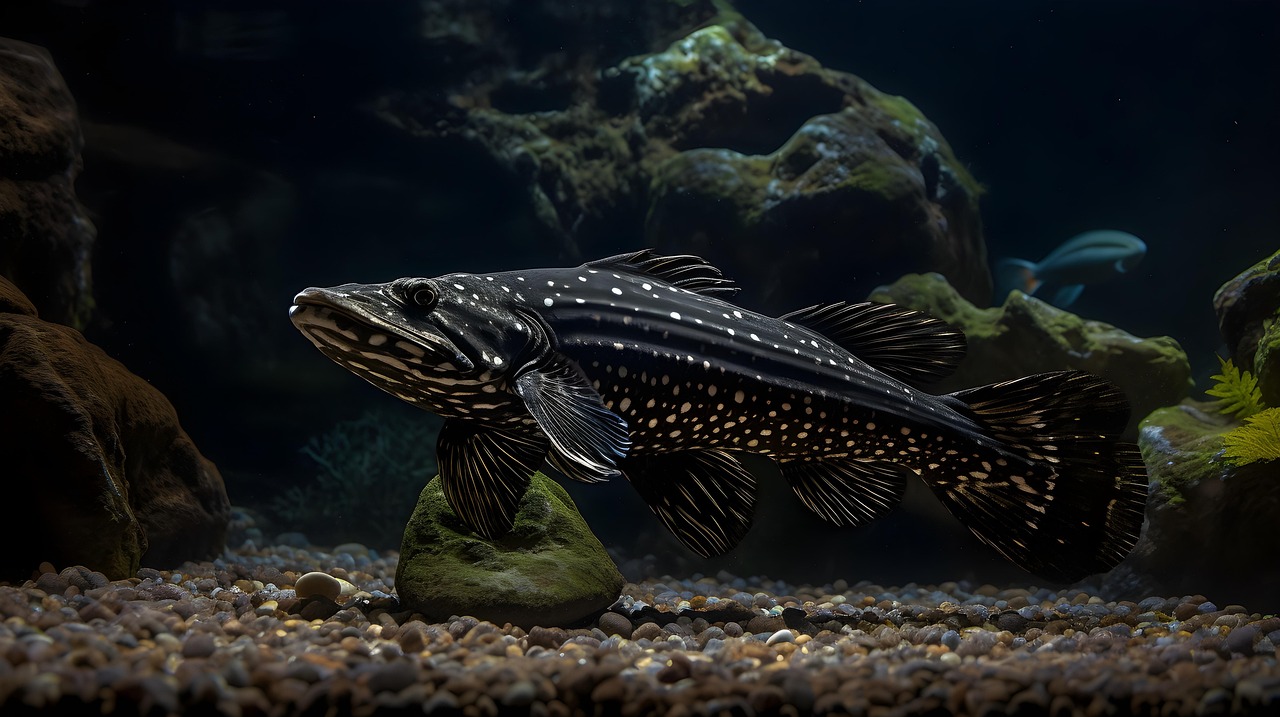
Singapore’s grid is reliable — until it is not, and a Saturday-afternoon SP Group transformer fault leaves your 500-litre planted tank with no filtration, no heat, no gas exchange, and a clock that started the moment power dropped. A realistic aquarium power outage survival guide plans for 24 hours, not two. This guide from Gensou Aquascaping at 5 Everton Park sets out the priorities, the backup kit worth owning before the event, and the hour-by-hour decisions that keep livestock alive until the power returns.
Quick Facts
- Oxygen depletion is the first killer — usually within 4-8 hours in heavily stocked tanks
- USB air pump (2000-3000 mAh battery): 8-18 hours runtime, $25-$45 SGD
- Larger 10,000 mAh power bank + USB pump: 48+ hours of aeration
- DC return pumps run on 12V — pair with a 12V battery or car jumpstarter (100 Wh+)
- Temperature drift: 1-2°C per hour in Singapore ambient, usually tolerable short term
- CO2 off immediately on outage — residual CO2 + stopped surface agitation crashes oxygen fast
- Ammonia climbs slowly; bigger issue is day two and beyond
The First Five Minutes
When the power drops, three actions matter before you check WhatsApp. First, shut off the CO2 solenoid or turn the tank valve fully closed — accumulated CO2 with no surface agitation creates immediate oxygen problems. Second, connect a battery-operated air pump to the tank; one airstone near the surface restores gas exchange within minutes. Third, open the canopy or lid to improve passive gas exchange. If you have sump-based filtration, the return pump is silent — the sump is static, so biological filtration is on a countdown.
Hours One to Four: Oxygen Priority
Aeration is the life-support priority. A USB-powered air pump (Eheim, Hailea USB, or generic battery air pumps widely available on Shopee for $25-$45 SGD) runs 8-18 hours on its internal battery. Pair it with a 10,000-20,000 mAh USB power bank and you extend to 48 hours or beyond. Position the airstone near the surface rather than at the bottom — surface agitation does more for oxygen exchange than deep bubbling. For tanks over 300 litres, run two air pumps at opposite ends.
DC Pump Advantage
If your return or circulation pump is DC (Jebao DCP, Reef Octopus Varios, Tunze Silence DC), it runs on 12V or 24V and can be powered from a car jumpstarter pack, a 12V lead-acid battery with an inverter bypass, or a LiFePO4 power station. A 500 Wh portable power station ($400-$700 SGD from Bluetti, EcoFlow) runs a 30W DC return pump for 15+ hours. This maintains circulation, filtration, and flow through the sump — a significant upgrade over air alone. AC pumps cannot run from a jumpstarter directly; they need a pure sine wave inverter, which doubles the cost.
Hours Four to Twelve: Temperature and Stability
In Singapore’s ambient 28-32°C, temperature rarely drops dangerously during an outage. Chillers going off may cause a rise above 30°C in sealed rooms — open a window, run a battery fan, and accept that tropical livestock handles 32°C short term. Cool-water species (discus, some apistogramma, chilled marine setups) are more vulnerable; frozen water bottles wrapped in cloth and floated act as slow-release cooling. Heaters going off is a non-issue for almost all Singapore tropical setups overnight.
Hours Twelve to Twenty-Four: Ammonia Management
Biological filtration degrades after 8-12 hours without flow. Bacteria in the filter media begin dying from oxygen starvation, and when power returns, the first hour sees a brief ammonia spike as dead bacteria release bound compounds. Dose Seachem Prime at standard dose every 24 hours during an extended outage — it binds ammonia without killing the remaining bacteria. Do not feed during the outage; every uneaten pellet is future ammonia. Skip feeding for 24-48 hours after power returns while the cycle rebuilds.
Reef and Marine Specific Considerations
Saltwater tanks run tighter oxygen margins and are more vulnerable to outages. Skimmers going off is not immediately critical; circulation stopping is. Battery-operated wavemaker backups (Jebao has integrated battery pack accessories) maintain flow for 12-24 hours. SPS corals tolerate 6-12 hours of still water; LPS and softies handle longer. After power returns, do not flip every pump back on at once — restart sequence is wavemaker first, then return, then skimmer after 30 minutes to avoid dumping an oxygen-depleted dead zone into the display.
Backup Kit Worth Owning
A practical backup kit for a single 200-600 litre tank costs around $250-$500 SGD total. It contains: two USB battery air pumps ($60 combined), a 20,000 mAh USB power bank ($40), a 500 Wh portable power station ($500), sealed spare airstones and airline, Seachem Prime (500 ml bottle, $28), and a battery-operated tank thermometer. Store it in a labelled tub near the tank, not in a storage unit two rooms away. Check battery levels every three months and charge to 80% for long-term storage health.
The Recovery Phase
When power returns, resist the urge to do an immediate water change — it adds stress on top of stress. Restart filtration and lighting, dose Prime, and observe. Test ammonia and nitrite in 4-6 hours; expect small transient readings. Resume feeding only after 24-48 hours and at reduced quantity for the following three days. CO2 stays off for 24 hours. Log the event in your tank records: duration, interventions, livestock losses, parameter trajectory. That log turns a bad Saturday into useful data for next time.
Related Reading
Aquarium Power Outage Emergency Guide
Best Aquarium Battery Backup UPS
Best Aquarium Oxygen Pump Battery Backup
Fish First Aid Kit Essentials
Fish Emergency Triage Checklist



